
Cats are experts at finding comfortable places to rest. On a warm day, you may notice your cat moving to a cooler floor, stretching out in the shade, or becoming less active than usual.
These behaviors are part of how cats naturally cope with heat. However, cats are not immune to overheating. When their bodies absorb more heat than they can release, their temperature can continue to rise and lead to heatstroke.
Heatstroke happens when a cat’s ability to regulate body temperature becomes overwhelmed. This can occur because of extreme weather, poor environmental conditions, certain physical characteristics, or health-related factors.
Some cats are naturally more vulnerable than others. Kittens, senior cats, flat-faced breeds, and cats with certain health conditions may have a harder time handling heat. Understanding what causes heatstroke can help cat owners recognize potential risks before they become dangerous.
Environmental Causes of Heatstroke in Cats
High Temperatures and Direct Sunlight
Hot weather is one of the most common factors that can contribute to heatstroke in cats.
When temperatures rise, cats absorb heat from their surroundings. If the environment is hotter than their body can handle, their natural cooling systems may not be enough to keep their temperature within a safe range.
Direct sunlight can make this problem worse. A cat resting near a sunny window, spending time outdoors, or staying in an area without shade may absorb additional heat from solar radiation.
Hot surfaces can also add to the problem. Materials such as concrete, pavement, and outdoor furniture can absorb heat throughout the day and release it back into the surrounding area.
In other words, cats in hot environments may be affected by heat coming from multiple sources — the air around them, sunlight above them, and warm surfaces beneath them.
Heatstroke is not only an outdoor risk. Indoor environments can also become unsafe when temperatures rise. For example, a poorly controlled grooming environment where a cat is exposed to warm air from a dryer for too long may contribute to overheating.
High Humidity
High temperatures are not the only environmental factor that increases the risk of heatstroke. Humidity can also make it harder for cats to stay cool.
Cats mainly regulate their body temperature through normal heat exchange with their surroundings. When they become overheated, panting can help release additional heat through moisture evaporation from the mouth and respiratory tract.
However, evaporation becomes less effective when the air is already saturated with moisture.
In a hot and humid environment, moisture does not evaporate as easily, reducing the body’s ability to cool itself. As a result, a cat may continue to accumulate heat even if the temperature does not seem extreme.
Simply put:
Heat adds stress to a cat’s cooling system, while humidity makes that cooling system less effective.
This is why hot and humid weather can be especially challenging for cats.
Poor Ventilation
A lack of airflow can also contribute to overheating.
Cats release heat through several natural processes, including convection. This happens when warmer air near the body moves away and is replaced by cooler air from the surrounding environment.
In a poorly ventilated space, the air around a cat can become warm and stagnant. Once the surrounding air reaches a similar temperature to the cat’s body, it becomes much less effective at carrying heat away.
This is why a warm room with little airflow can become uncomfortable faster than a space with better air circulation.
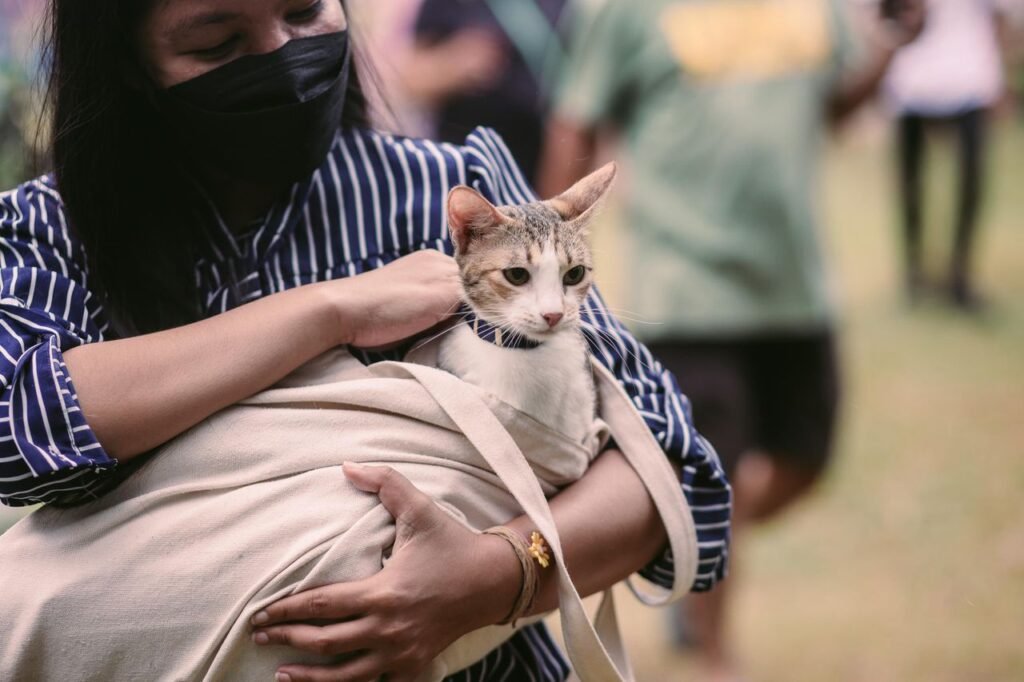
Examples of environments where poor ventilation may increase heat risk include:
- Small enclosed rooms;
- Closed carriers;
- Crowded pet areas;
- Spaces with limited air movement.
The combination of high temperature and poor airflow can place additional stress on a cat’s ability to regulate body temperature.
Enclosed Spaces and Trapped Environments
Being trapped in an enclosed space is one of the most dangerous situations that can lead to heatstroke in cats.
The most well-known example is a cat left inside a parked vehicle. Cars can heat up rapidly because sunlight passes through windows, while the trapped air prevents heat from escaping effectively.
Even when the outdoor temperature does not seem extreme, the inside of a vehicle can quickly become much hotter than the surrounding environment.
Cats trapped in enclosed spaces face several challenges at the same time:
They cannot move to a cooler location;
Air circulation is limited;
Heat continues building inside the space;
Their bodies continue producing heat naturally.
This creates a situation where heat accumulates faster than the cat can release it.
The same risk can occur in other enclosed environments, such as closed carriers, storage areas, or small spaces with poor airflow. The danger comes from the combination of rising temperature, limited ventilation, and the inability to escape.
Strenuous Exercise and Heat Production
Physical activity naturally produces heat inside the body.
During exercise, a cat’s muscles use energy and generate additional warmth. Under normal conditions, the body can remove this extra heat through natural cooling processes.
However, when exercise happens in a hot environment, the body may struggle to keep up. The additional heat produced by active muscles adds to the heat already coming from the surroundings.
This can become a greater concern for:
Cats that spend long periods outdoors;
Young cats that play intensely and ignore signs of fatigue;
Cats exercising in hot or humid conditions.
Unlike dogs, most cats do not usually engage in prolonged intense exercise during hot weather. However, situations involving excitement, outdoor activity, or extended play can still increase heat stress.
Cat-Related Risk Factors That Increase the Chance of Heatstroke
Not all cats respond to heat in the same way. Some cats can tolerate warm weather relatively well, while others may become overheated much faster.
A cat’s breed, body condition, age, and overall health can all influence how effectively they regulate body temperature. These factors do not mean a cat will automatically develop heatstroke, but they can make it harder for the body to cope with heat stress.
Flat-Faced Cats Are More Vulnerable to Heatstroke
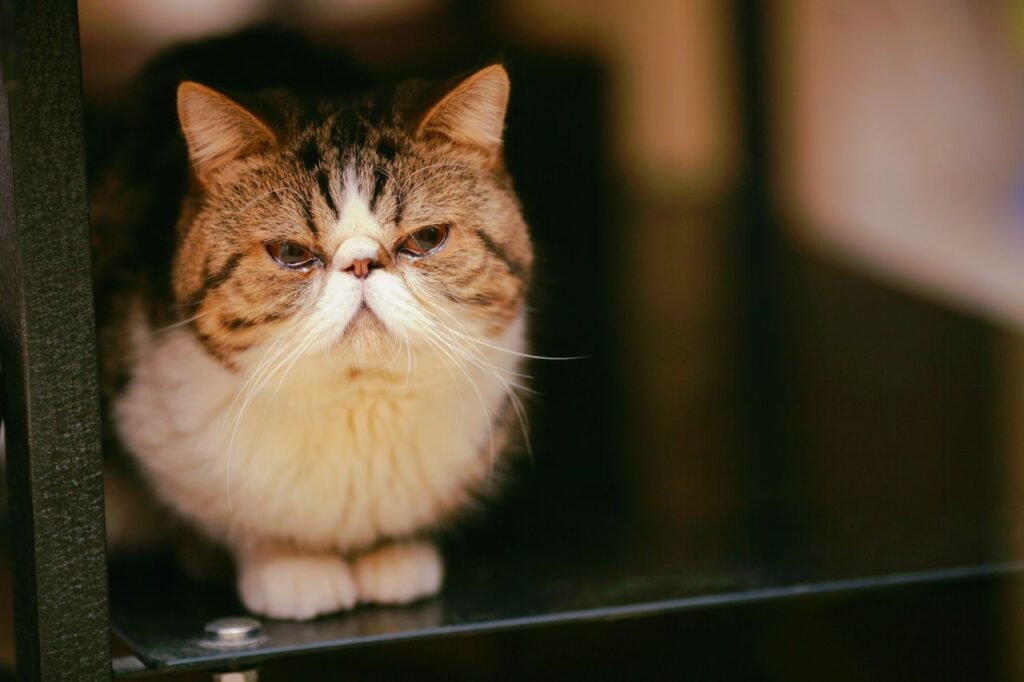
Flat-faced cats, also known as brachycephalic cats, may have a higher risk of heat-related problems because of their unique facial structure.
Breeds with shorter noses, such as Persian cats and Exotic Shorthairs, often have narrower airways compared with cats with longer muzzle shapes. This can make breathing less efficient and reduce their ability to cool themselves through panting.
Panting helps cats release heat through evaporation from the mouth and respiratory tract. When airflow is restricted, this cooling process becomes less effective.
Flat-faced cats may also need to work harder to breathe, which can increase physical effort and create additional heat stress during hot conditions.
Research on brachycephalic cats has shown that shorter nasal structures are associated with a greater likelihood of breathing-related difficulties and reduced respiratory efficiency.
For this reason, flat-faced breeds may be more sensitive to high temperatures and require extra attention during hot weather.
Overweight and Obese Cats
Body weight can also affect a cat’s ability to handle heat.
Fat tissue plays an important role in the body. It stores energy and provides insulation, helping animals retain heat in cold environments.
However, during hot weather, excessive body fat can make cooling more difficult. A heavier body requires more effort to regulate temperature, and the insulating effect of fat may slow down heat loss.
You can think of it like wearing an extra layer of clothing on a hot summer day. While insulation is helpful in cold conditions, it can become a disadvantage when the body needs to release excess heat.
Overweight cats may also be less active and have more difficulty moving to cooler areas or adjusting their position when they feel uncomfortable.
Because of these factors, maintaining a healthy body weight can play an important role in a cat’s ability to cope with heat.
Thick or Dense Fur
A cat’s coat provides many benefits. It protects the skin, helps regulate temperature, and provides insulation in colder conditions.
However, a very thick or dense coat can make heat release more difficult in hot weather.
Cats do not sweat across their entire body like humans do. Their ability to cool themselves depends largely on behaviors such as seeking cooler areas, adjusting body position, and limited evaporative cooling through panting.
When a cat has a heavy coat, heat produced by the body may take longer to escape, especially in warm and humid environments.
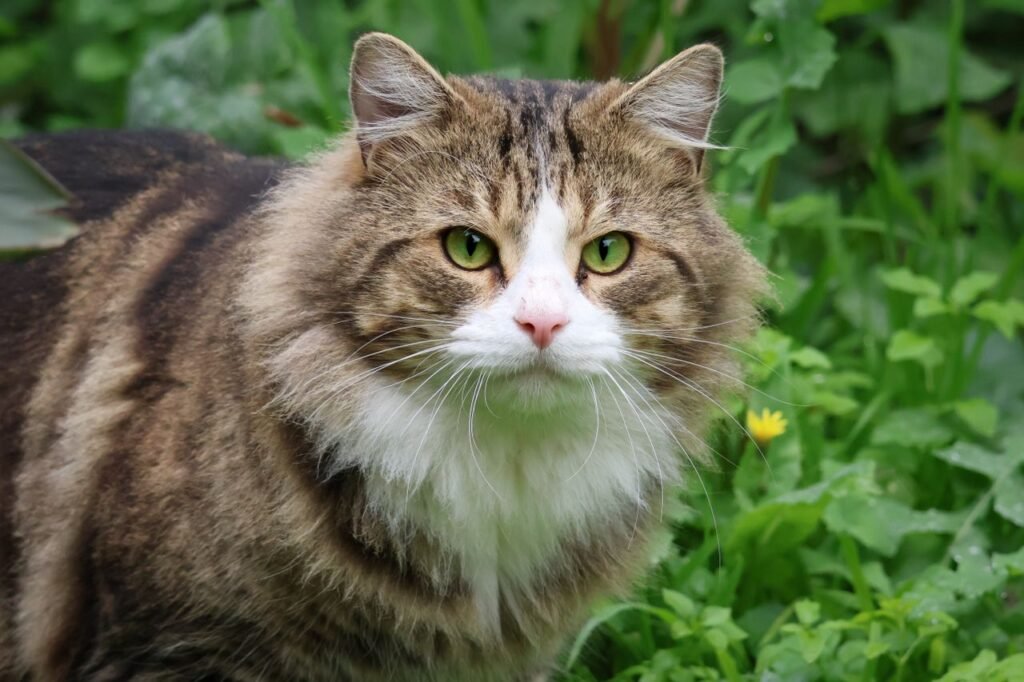
Cats with naturally dense coats, including breeds such as:
- Persian;
- Maine Coon;
- Norwegian Forest Cat;
- Ragdoll;
may be more likely to struggle with heat during hot weather.
However, coat thickness is only one factor. A cat’s environment, access to cooler areas, hydration, and overall health also play important roles in heat tolerance.
Coat Color and Heat Absorption
Coat color may influence how much heat a cat absorbs from direct sunlight, although it is not considered one of the biggest factors affecting heatstroke risk.
Dark-colored surfaces generally absorb more solar energy than lighter-colored surfaces. This means a black or very dark coat exposed to strong sunlight may absorb more radiant heat compared with a lighter coat.
Studies in other animals, including dogs, have found that coat color can influence changes in body temperature after heat exposure or exercise.
However, in cats, environmental conditions usually matter much more than fur color. Temperature, humidity, ventilation, access to shade, and the cat’s overall condition have a much stronger impact on whether overheating occurs.
Therefore, coat color may be a small contributing factor, but it should not be considered a direct cause of heatstroke.
Kittens Are More Sensitive to Heat
Young kittens are more vulnerable to temperature changes because their bodies are still developing.
A kitten’s ability to regulate body temperature is not as efficient as that of an adult cat. Their nervous system, metabolism, and natural cooling responses are still maturing, which can make it harder for them to adjust to extreme temperatures.
Kittens are also naturally playful and curious. During play, they may continue running, jumping, or chasing toys even when they are becoming tired or overheated.
Unlike adult cats, young kittens may not always recognize when they need to stop and rest.
Because of their smaller bodies and developing temperature regulation systems, kittens require closer monitoring during hot weather.
Senior Cats Have a Higher Risk of Overheating
As cats age, their bodies gradually become less efficient at handling physical stress, including temperature changes.
Senior cats may experience changes that affect heat regulation, such as:
- Reduced muscle strength;
- Lower activity levels;
- Age-related health conditions;
- Changes in breathing efficiency.
Older cats may also have a harder time adapting to sudden temperature changes compared with younger cats.
For example, a senior cat with reduced mobility may not move around as much to find a cooler resting area. A cat with age-related health issues may also have less ability to cope with environmental stress.
This does not mean every senior cat will struggle in warm weather, but age is an important factor to consider when evaluating heatstroke risk.
Cats With Existing Health Conditions
Certain health conditions can make it harder for cats to regulate body temperature.
For example:
- Respiratory problems may reduce the effectiveness of breathing-based cooling;
- Heart conditions may affect circulation and the body’s ability to transport heat;
- Endocrine disorders may increase the amount of heat produced by normal body processes.
A healthy body relies on multiple systems working together to maintain a stable temperature. When one of these systems is affected, a cat may have less ability to handle additional heat stress.
For example, cats with hyperthyroidism may have an increased metabolic rate, meaning their bodies produce more heat even at rest. In a hot environment, this extra heat production can make temperature regulation more challenging.
Cats with chronic health conditions may therefore be more vulnerable to heat-related problems, especially during periods of extreme weather.
Other Factors That May Increase Heatstroke Risk in Cats
While environmental conditions and a cat’s physical characteristics are some of the biggest factors affecting heat tolerance, certain situations can also make cats more vulnerable to overheating.
These factors are often related to daily routines, sudden changes, or conditions that affect the body’s ability to maintain a stable temperature.
Lack of Water Intake
Water plays an essential role in a cat’s ability to regulate body temperature.
When cats become overheated, their bodies rely on several cooling mechanisms. One of these is evaporation through panting, where moisture from the mouth and respiratory tract helps remove heat.
However, this process requires enough fluid in the body. If a cat does not drink enough water, dehydration can develop, reducing the amount of moisture available for cooling.
Dehydration can also affect normal circulation, making it more difficult for the body to move heat away from internal organs and release it through the skin and respiratory system.
Cats are naturally known for having a lower thirst drive compared with many other animals. This means some cats may not drink enough water, especially during hot weather when their fluid needs increase.
A cat that is already dehydrated may have a harder time coping with additional heat stress.
Sudden Exposure to Hot Weather
Cats can gradually adjust to changes in temperature, but this process takes time.
A cat that is slowly exposed to warmer conditions may develop better tolerance through natural adaptation. However, a sudden change from a cool environment to extreme heat can place significant stress on the body.
For example, a cat that spends most of its time in an air-conditioned home may not be prepared for a sudden transition to very hot outdoor temperatures.
During heat adaptation, the body makes several adjustments that help improve temperature control, including changes in circulation and cooling efficiency. These changes do not happen immediately.
This is why a sudden heat wave, a hot outdoor trip, or intense activity in unfamiliar heat can be more challenging for some cats.
Cats that are not accustomed to hot environments may be more likely to experience heat stress when exposed to high temperatures without enough time to adjust.
Certain Medications and Toxic Substances
Some medications and toxic substances may interfere with the body’s normal temperature regulation.
The way cats process substances can be different from other animals, especially dogs. Therefore, not every substance that affects temperature regulation in one species will have the same effect in cats.
However, certain drugs or toxins have been associated with abnormal temperature increases or difficulty controlling body temperature in animals.
Examples of substances that may affect temperature regulation in animals include:
- Some medications that alter nervous system activity;
- Certain toxins that affect metabolism;
- Substances that interfere with normal body functions.
Because cats can be especially sensitive to many household substances, owners should avoid allowing cats access to medications, chemicals, or potentially toxic materials.
If a cat has been exposed to an unusual substance and shows signs of overheating or abnormal behavior, veterinary advice should be sought promptly.
Fever and Illness
Heatstroke and fever can both cause an increase in body temperature, but they happen for very different reasons.
Heatstroke occurs when the body cannot remove enough heat from the environment. In contrast, fever is an active response from the immune system, where the body intentionally raises its temperature to help fight infection.
However, illness can still affect a cat’s ability to cope with heat.
A cat that already has a fever or is dealing with an infection may have less ability to handle additional heat from the environment. If the cat is also exposed to hot temperatures, the combined stress can increase the risk of dangerous overheating. Health problems that affect breathing, circulation, or metabolism may also reduce a cat’s ability to maintain normal body temperature.
This is why cats that are sick or recovering from illness may need extra attention during hot weather.
Why Understanding Heatstroke Causes Matters
Heatstroke in cats is rarely caused by just one factor.
In many cases, overheating happens because several risks occur at the same time. For example, a senior overweight cat with a thick coat may tolerate a warm room, but the risk can increase significantly if that same cat is placed in a hot, poorly ventilated environment.
Understanding the causes of heatstroke helps cat owners recognize situations where their cats may be more vulnerable.
Some risks come from the environment, while others are related to the cat’s age, breed, body condition, or health. By identifying these factors early, owners can better understand their cat’s individual heat tolerance. For signs of heatstroke, emergency response steps, and prevention guidance, read our complete guide: Cat Heatstroke Guide: Symptoms, Emergency Treatment, and Prevention.