

Many cat owners may not realize their cat is overweight until health problems begin to appear. According to the 2025 survey by the Association for Pet Obesity Prevention (APOP), about 43% of cat owners in the United States described their cats as above their ideal weight. However, because these findings are based on owner perception rather than clinical assessment, the actual number of overweight cats may be even higher.
Being overweight is not just about appearance. It can affect long-term health, reduce mobility, and increase the risk of diseases such as diabetes and arthritis. This is why understanding your cat’s body condition and managing its weight is an important part of responsible cat care.
This guide will help you understand how to tell if your cat is overweight and how to safely help them lose weight step by step.
Is My Cat Overweight?
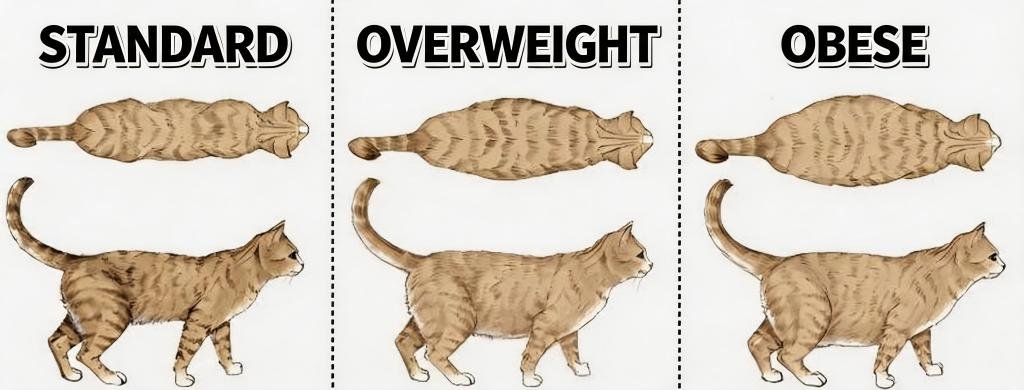
An overweight cat is a cat that has accumulated excess body fat beyond its ideal body condition. In veterinary terms, this is commonly evaluated using the Body Condition Score (BCS).
- BCS 3 = ideal body condition
- BCS 4 = overweight cat
- BCS 5 = obese cat
At BCS 4 and 5, excess fat begins to impact not only your cat’s physical appearance but also their internal health systems, affecting metabolism, joint health, and even breathing. For a deeper look at how weight affects their physical structure, you can explore our Complete Guide to Cat Skeletal Anatomy.
How to Tell If Your Cat Is Overweight
You can use the BCS method at home by combining visual checks with gentle touch.
Key Signs of an Overweight Cat:
- Ribs are difficult to feel under the skin
- Waistline is no longer visible from above
- Abdomen appears rounded or sagging
- Fat deposits around the base of the tail
- Reduced activity or play interest
A healthy cat (BCS 3) should have a visible waist and ribs that can be felt with light pressure.
If you are unsure, a veterinarian can perform a professional body condition evaluation.
Diseases Related to Obesity in Cats
Excess weight is not just a cosmetic issue. It significantly increases the risk of multiple health conditions, including:
- Diabetes mellitus
- Osteoarthritis and joint pain
- Fatty liver disease (hepatic lipidosis)
- High blood pressure
- Reduced immune function
- Breathing difficulties
- Lower activity levels
Over time, these conditions can reduce both lifespan and quality of life.
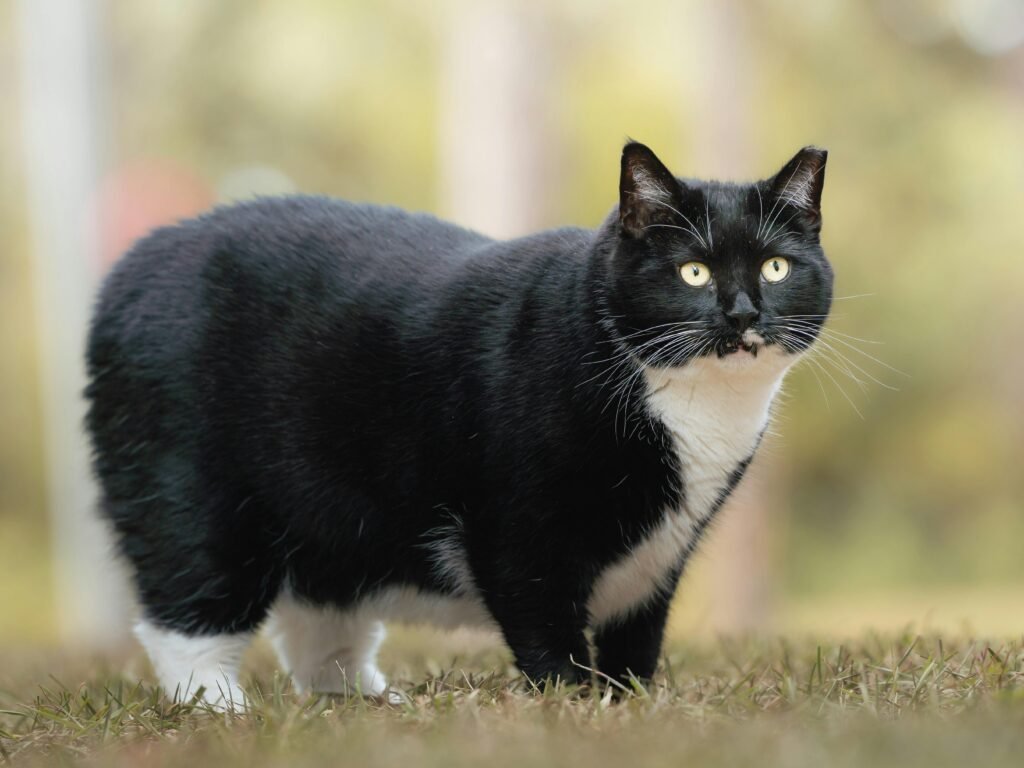
Why Cats Become Overweight
Most overweight cats develop the condition due to a combination of lifestyle and feeding habits:
- Overfeeding or free-feeding food
- High-calorie diets without portion control
- Lack of daily exercise or stimulation
- Neutered cats with slower metabolism
- Too many treats or human food: These can quickly add unnecessary calories. It’s also vital to ensure that any treats you do give are safe; check our Complete Guide to Toxic Foods for Cats to avoid dangerous mistakes.
Understanding the cause is the first step toward correction.
How a Cat Lose Weight Safely
When it comes to feline weight loss, patience and a medically sound approach are paramount. Rapid weight loss in cats can lead to severe health complications, including dangerous muscle loss and hepatic lipidosis (fatty liver disease). We’re aiming for a marathon, not a sprint!
Safe Weight Loss Rate:
- 0.5% to 1.5% of body weight per week
- 2% to 6% per month
This gradual, controlled approach ensures your cat loses fat while crucially preserving their lean muscle mass.
Step 1: Set the Ideal Weight Goal
Your ultimate target should be a BCS 3 (healthy body condition). Your veterinarian can help you determine this ideal weight, often by considering factors like your cat’s breed, age, and body frame. They might also use body fat ratio references:
- Overweight cat (BCS 4): typically around 30% body fat
- Obese cat (BCS 5): typically around 40% body fat
Your vet is your best resource for setting an accurate and achievable target weight.
Step 2: Control Calorie Intake
Weight loss boils down to a simple, fundamental principle:
Calories In < Calories Out
To effectively reduce your cat’s calorie intake, consider these strategies:
- Precisely measure daily food portions: Ditch the guesswork and use a measuring cup or scale.
- Switch to controlled feeding: Offer meals at specific times rather than leaving food out all day.
- Choose high-protein, low-carb cat food: These formulations can help promote satiety and muscle maintenance.
- Significantly reduce high-calorie treats: Opt for low-calorie alternatives or simply less frequent treats.
Step 3: Increase Daily Activity
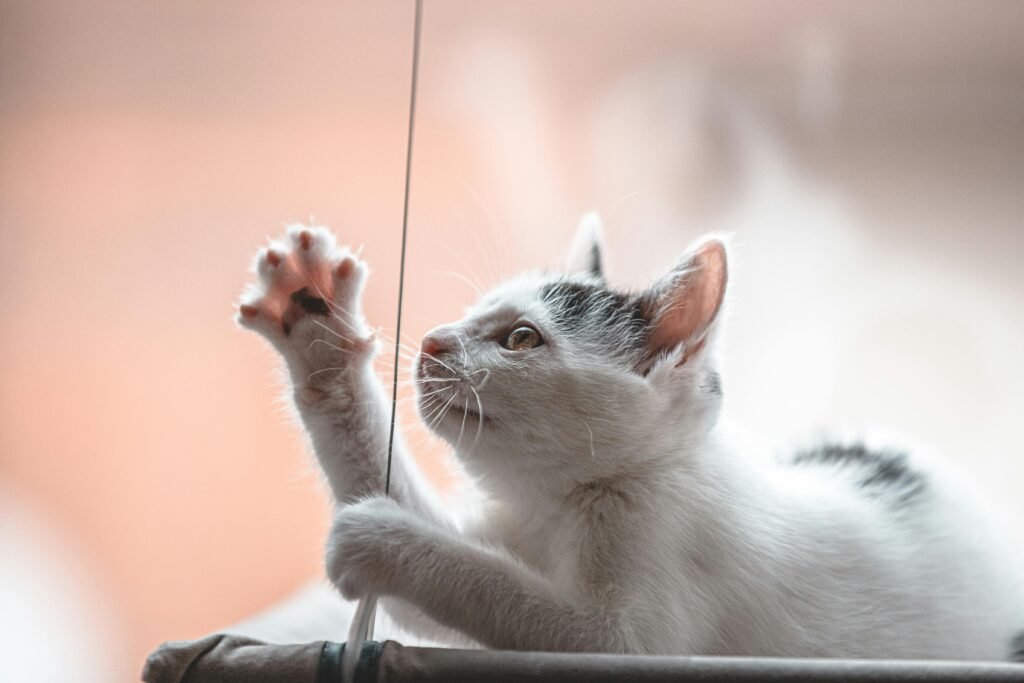
Exercise is vital! It not only helps burn calories but also boosts your cat’s overall health and well-being. Get them moving with:
- Interactive toys: Laser pointers, feather wands, and puzzle toys can be great motivators.
- Encourage short, frequent play sessions: Multiple bursts of activity throughout the day are more effective than one long session.
- Utilize food puzzles or slow feeders: These make mealtime a mental and physical challenge.
- Promote movement through climbing or chasing games: Cat trees, shelves, and engaging play can make a big difference.
Step 4: Monitor Weight and Body Condition
Tracking your cat’s progress is absolutely essential for success. Here’s how to do it effectively:
- Weigh your cat once per week: Consistency is key for accurate data.
- Take body photos from multiple angles: Visual documentation helps you notice subtle changes.
- Record BCS changes over time: Keep a log to see their journey unfold.
Remember, small, consistent changes are far more valuable than dramatic, rapid drops.
Step 5: Adjust the Plan If Needed
After approximately 4 weeks, it’s time to evaluate your cat’s progress and make any necessary adjustments:
- If weight loss is too slow: Slightly reduce calorie intake further or increase playtime/activity levels.
- If weight loss is too fast: Slightly increase food portions or gently reduce exercise intensity.
Your ultimate goal is stable, gradual fat loss – not a quick, potentially unhealthy reduction.
How to Maintain a Healthy Weight After Dieting
Once your cat successfully reaches their ideal weight (BCS 3), your focus shifts from active weight loss to sustainable weight maintenance. This phase is just as crucial as the weight loss itself!
To help your feline companion maintain their healthy weight for the long term:
- Keep consistent feeding portions: Stick to the measured amounts that helped them reach their ideal weight.
- Monitor weight once or twice per month: Regular check-ins help catch any creeping weight gain early.
- Continue daily play and activity: Exercise remains a vital part of their routine.
- Avoid excessive treats or sudden diet changes: Consistency is your best friend here.
Adhering to these practices will help prevent the common issue of rebound weight gain, ensuring your cat enjoys their new, healthier lifestyle.
Conclusion
Identifying an overweight cat early and implementing a controlled, safe weight-loss plan can profoundly improve their long-term health and happiness. With proper veterinary evaluation, a structured feeding regimen, and regular physical activity, most cats can safely and successfully return to an ideal body condition.
Remember, a healthy weight isn’t just about how your cat looks—it’s about empowering them to live a longer, more active, and significantly more comfortable life by your side.
Frequently Asked Questions (FAQs)
The average weight of a domestic cat can vary significantly based on breed, age, and sex. Generally, most healthy adult cats weigh between 8 to 12 pounds (approximately 3.6 to 5.4 kg). However, some larger breeds, like Maine Coons, can naturally weigh more, while smaller breeds might weigh less. It’s less about a specific number and more about their Body Condition Score (BCS).
A 12-pound cat could be overweight, but it’s not a definitive indicator on its own. For a small-framed cat, 12 pounds might indeed be overweight, whereas for a large-framed cat, it could be a healthy weight. The best way to determine if a 12-pound cat is overweight is to assess their Body Condition Score (BCS). A veterinarian can provide an accurate assessment, but you can also check for visible waistline and easily palpable ribs at home.
Your cat is considered obese if they have a Body Condition Score (BCS) of 5. This means they have excessive fat deposits, making it very difficult or impossible to feel their ribs, spine, or hip bones. They will likely have a rounded or sagging abdomen, significant fat pads, and a complete absence of a waistline. An obese cat typically carries around 40% body fat. A vet can confirm this assessment.
Feline obesity significantly increases the risk of numerous serious health conditions. These include diabetes mellitus, osteoarthritis and joint pain, fatty liver disease (hepatic lipidosis), high blood pressure, reduced immune function, and breathing difficulties. These conditions can drastically reduce both your cat’s lifespan and their overall quality of life.
Safe and effective weight loss for cats should be gradual and controlled. The recommended rate is 0.5% to 1.5% of their body weight per week, or 2% to 6% per month. Rapid weight loss can be dangerous for cats, potentially leading to serious health issues like hepatic lipidosis. Always consult your veterinarian to establish a safe and personalized weight loss plan.