
When your cat’s eye suddenly looks red, it’s natural to worry. A red eye in cats can happen for many reasons, including mild irritation, allergies, infections, or injuries. While some cases are minor and may improve with simple care, redness can also be a sign of a more serious eye problem that needs veterinary attention.
The most important thing to look for is whether the redness appears with other warning signs. If your cat is squinting, keeping one eye closed, showing signs of pain, having unusual discharge, or experiencing changes in vision, it’s best to contact your veterinarian as soon as possible.
By understanding the common causes of red eyes in cats and knowing what symptoms require attention, you can help protect your cat’s comfort and eye health.
When Is a Red Eye in Cats an Emergency?
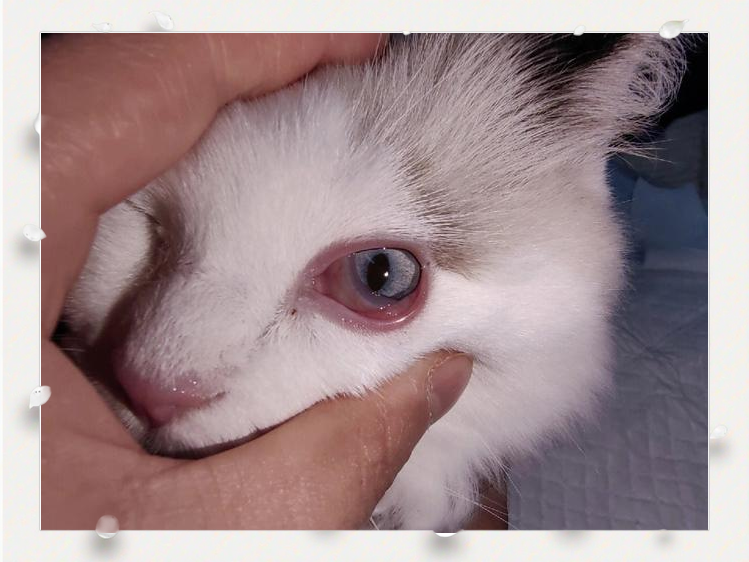
While some cases of red eyes are mild, certain symptoms should never be ignored. If your cat suddenly develops eye redness along with any of the signs below, contact your veterinarian as soon as possible.
Delaying treatment for serious eye problems may increase the risk of permanent eye damage or vision loss.
| Warning Sign | What You May Notice | Why It Matters |
|---|---|---|
| Sudden Vision Problems | Your cat bumps into furniture, seems confused in familiar areas, or their pupils look unusually large and do not respond normally to light. | Sudden vision changes may indicate a serious eye condition or an underlying neurological problem that needs immediate evaluation. |
| Signs of Severe Eye Pain | Your cat keeps one eye closed, squints frequently, paws at the eye, avoids bright light, or hides more than usual. | Eye pain often means there is inflammation, injury, or pressure inside the eye that requires treatment. |
| Changes in Eye Appearance | The eye looks swollen, cloudy, bulging, or you notice blood inside the eye. | These changes can be signs of serious internal eye problems and should be checked by a veterinarian quickly. |
| Sudden Loss of Appetite or Low Energy | Your cat becomes unusually tired, stops eating, or acts sick along with eye redness. | Eye problems can sometimes be connected to broader health issues affecting the entire body. |
If your cat’s eye suddenly becomes red and painful, it is always better to have it checked sooner rather than waiting to see if it improves on its own.
Common Causes of Red Eyes in Cats
There are several reasons why a cat’s eye may become red. Some problems affect only the surface of the eye, while others involve deeper structures inside the eye.
A veterinarian will usually examine the eye carefully and may perform tests to determine the exact cause.
Conjunctivitis: The Most Common Cause of Red Eyes in Cats
Conjunctivitis is one of the most common reasons cats develop red or irritated eyes. You may know it as “pink eye” in people.
The condition happens when the conjunctiva — the thin layer of tissue covering the surface of the eye and the inside of the eyelids — becomes inflamed.
When this tissue becomes irritated, your cat’s eye may look red, swollen, watery, or produce discharge around the eyelids.
Common Causes of Conjunctivitis in Cats
Infections
Many cases of feline conjunctivitis are caused by infections, including viruses and bacteria.
Common causes include:
- Feline herpesvirus (FHV-1)
- Feline calicivirus (FCV)
- Chlamydia felis
- Mycoplasma bacteria
These infections can spread between cats, especially in homes with multiple cats, shelters, or environments where cats live closely together.
Environmental Irritants and Allergies
Not every case of conjunctivitis is caused by infection. Cats can also develop eye inflammation from:
- Dust
- Pollen
- Smoke
- Strong cleaning chemicals
- Perfumes or air fresheners
Some cats may also have allergic reactions that cause itchy, watery, or irritated eyes.
Foreign Objects or Eye Structure Problems
A small piece of dust, hair, or another foreign object trapped in the eye can cause irritation.
Some cats may also have eyelid abnormalities that repeatedly rub against the eye surface, leading to ongoing inflammation.
Corneal Injury: When a Scratch Becomes a Bigger Problem
The cornea is the clear outer layer at the front of your cat’s eye. Think of it as a protective window that allows light to enter while helping your cat see clearly. Because the cornea contains many sensitive nerves, even a small injury can be surprisingly painful.
A cat with a scratched or damaged cornea may suddenly start squinting, keeping one eye closed, rubbing at the face, or avoiding bright areas. You may also notice increased tearing, redness around the eye, or a cloudy appearance on the surface of the eye.
Corneal injuries can happen in everyday situations. A playful interaction with another cat, a scratch from a branch while exploring outdoors, or even a tiny piece of dust or hair trapped under the eyelid can irritate the cornea. Although these injuries may seem minor at first, bacteria can enter through damaged tissue and cause a more serious infection if the problem is ignored.
Some cats are also more likely to experience ongoing corneal irritation because of the way their eyelids or eyelashes grow. For example, cats with entropion have eyelids that roll inward, causing fur or eyelashes to constantly rub against the eye surface. Other cats may have abnormal eyelash growth that creates repeated irritation.
In some cases, a corneal injury can develop into a corneal ulcer, which is an open wound on the surface of the eye. Veterinarians usually use a special fluorescent dye test to check whether the cornea has been damaged. Early treatment is important because deeper ulcers can affect vision and may require more advanced care.
Uveitis: Redness That Comes From Inside the Eye
While conjunctivitis affects the outer surface of the eye, uveitis is a condition that involves deeper structures inside the eyeball.
The uvea is a layer of tissue that contains important blood vessels and supports several internal parts of the eye. When this area becomes inflamed, cats may develop redness, cloudiness, light sensitivity, squinting, or noticeable changes in the appearance of the eye.
One reason veterinarians take uveitis seriously is that it is sometimes connected to health problems beyond the eye itself. Certain infections, including feline infectious peritonitis (FIP), feline leukemia virus (FeLV), feline immunodeficiency virus (FIV), toxoplasmosis, and some fungal infections, may trigger inflammation inside the eye.
Uveitis can also develop after an injury to the eye, due to immune system problems, or because of abnormal growths inside the eye. Since there are many possible causes, treating the redness alone may not solve the real problem. A veterinarian will usually perform a thorough eye examination and may recommend additional tests to understand what is causing the inflammation.
Other Reasons Your Cat’s Eye May Look Red
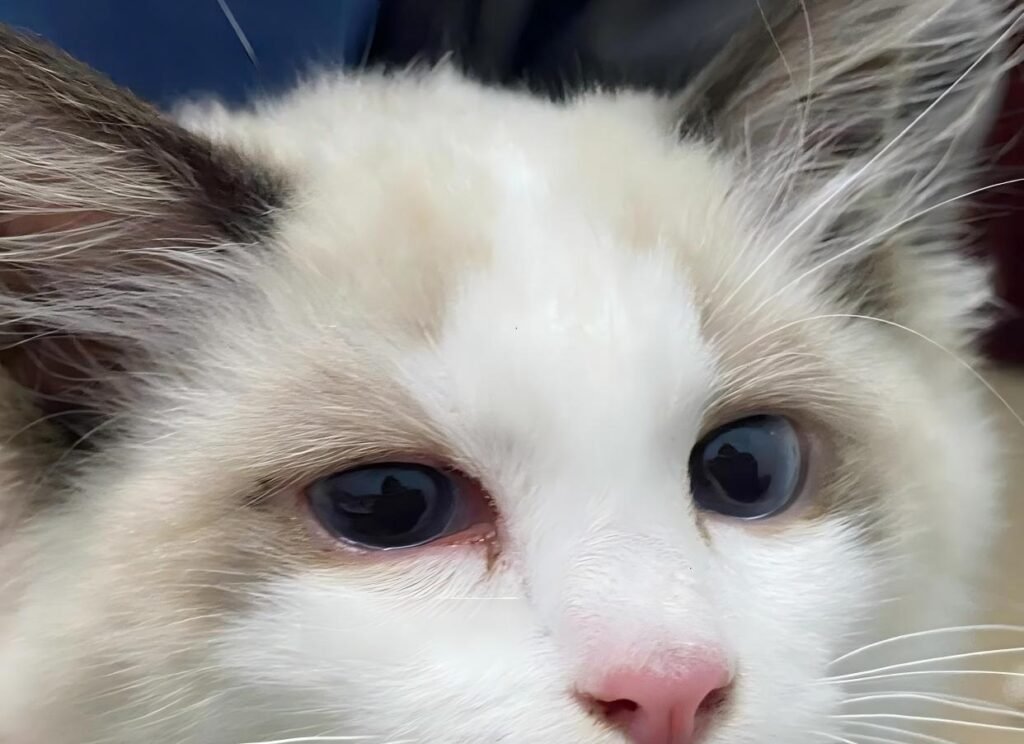
Not every case of red eyes is caused by infection or injury. Sometimes, environmental factors, allergies, or other health conditions can also make your cat’s eyes appear irritated.
Allergies and Environmental Irritants
Just like people, cats can react to things in their environment. Dust, pollen, mold, smoke, strong fragrances, and certain cleaning products may irritate the sensitive tissues around the eyes.
A cat experiencing allergies may have watery eyes, mild redness, or occasional rubbing around the face. If you suspect something in your home environment is causing irritation, reducing exposure to potential triggers can help. However, persistent redness should still be checked by a veterinarian to rule out other causes.
Eyelid Problems
The structure of your cat’s eyelids plays an important role in protecting the eye. When the eyelids do not develop or function normally, they can create constant irritation.
Conditions such as entropion, where the eyelid turns inward, or ectropion, where the eyelid turns outward, can prevent the eye from being properly protected. Problems involving the third eyelid, the thin protective membrane located in the inner corner of the eye, may also cause visible changes.
Some mild cases can be managed with veterinary treatment, while more serious structural problems may require corrective surgery.
Eye Tumors
Although eye tumors are less common, they are another possible reason for persistent redness or changes around the eye.
Pet parents should pay attention to unusual changes, such as a new lump near the eyelid, a spot that changes over time, swelling that does not go away, or a noticeable change in the shape of the eye.
Any unusual growth or long-lasting eye change should be examined by a veterinarian as early as possible.
Dry Eye Syndrome
Healthy eyes depend on tears to provide moisture and protection. When a cat does not produce enough tears, the surface of the eye can become dry, irritated, and inflamed.
Cats with dry eye may show signs such as redness, thick discharge, frequent blinking, or repeated eye discomfort. A veterinarian can determine whether tear production is the problem and recommend appropriate treatments, such as lubricating eye medications.
High Blood Pressure
High blood pressure, also known as hypertension, can sometimes affect a cat’s eyes. In some cases, increased pressure can damage blood vessels inside the eye and lead to bleeding or sudden vision changes.
This condition is more common in older cats or cats with certain underlying health issues, which is why regular veterinary checkups are especially important as cats age.
Foreign Objects in the Eye
Sometimes, the cause of a red eye is surprisingly simple: something is stuck in it.
A small piece of hair, dust, grass, or another tiny object can create constant irritation and make the eye appear red. While it may be tempting to remove the object yourself, trying to force it out can accidentally scratch the cornea or make the irritation worse.
If your cat’s eye remains red or uncomfortable, it is safer to have a veterinarian examine the eye and remove the object properly.
How to Check Your Cat’s Red Eye at Home
As a cat parent, you are often the first person to notice when something is different. While you cannot diagnose an eye problem at home, careful observation can provide your veterinarian with valuable information.
Start by paying attention to which eye is affected. Is only one eye red, or are both eyes irritated? Does the redness appear on the surface of the eye, around the eyelids, or deeper inside the eye? These small details can help your veterinarian understand what may be happening.
You should also look for changes in your cat’s behavior. A cat with an uncomfortable eye may hide more often, become less playful, avoid bright rooms, or keep one eye partially closed. Changes in appetite or energy levels may also provide important clues, especially if they appear together with eye redness.
Eye discharge is another thing worth monitoring. Clear, watery discharge may point to mild irritation, while thick yellow or green discharge can suggest inflammation or infection. If possible, take note of when the symptoms started and whether they are getting better or worse.
This information can make your veterinary visit more helpful because your cat cannot explain what they are feeling — but your observations can tell an important part of the story.
What You Should Never Do When Your Cat Has a Red Eye
When your cat’s eye looks irritated, it can be tempting to try home remedies or use something from your own medicine cabinet. However, some treatments that are safe for humans can be harmful to cats.
Never use human eye drops or medications unless your veterinarian specifically recommends them. Cats have different eye chemistry and medical needs, and certain ingredients may make an eye problem worse or delay proper treatment.
You should also avoid rubbing, squeezing, or trying to remove something from your cat’s eye with force. The eye surface is extremely delicate, and unnecessary handling can cause additional irritation or injury.
If your cat has mild eye discharge, you can gently clean around the outside of the eye with a soft, clean cloth dampened with warm water. However, if redness continues, becomes worse, or is accompanied by pain, a veterinary examination is the safest choice.
How to Keep Your Cat’s Eyes Healthy
Healthy eyes start with good daily care and regular attention. While not every eye problem can be prevented, a few simple habits can reduce the risk of irritation and help you notice problems earlier.
Schedule Regular Veterinary Checkups
Routine veterinary visits are important even when your cat appears healthy. During a wellness exam, your veterinarian can check your cat’s eyes and look for early signs of problems that may not be obvious at home.
Annual checkups are commonly recommended for healthy adult cats, while senior cats or cats with existing health concerns may need more frequent visits.
Keep Your Home Clean and Comfortable
Your cat’s environment can have a big impact on eye health. Regularly cleaning dust, vacuuming areas where your cat spends time, and avoiding excessive smoke or strong chemical smells can help reduce irritation.
Be careful with heavily scented sprays, air fresheners, and harsh cleaning products, as some cats are sensitive to airborne irritants.
Provide a Balanced Diet
Good nutrition supports your cat’s overall health, including their immune system and ability to recover from minor health challenges.
Choose a complete and balanced cat food that meets your cat’s nutritional needs. If you are unsure which diet is right for your cat, your veterinarian can help you make an appropriate choice based on age, lifestyle, and health condition.
Pay Attention to Changes Early
Cats are experts at hiding discomfort, which means small changes can sometimes be easy to miss.
A slightly red eye, increased blinking, more frequent face rubbing, or a change in your cat’s normal behavior may be the first sign that something is wrong.
When it comes to eye problems, early attention often leads to better outcomes. If something about your cat’s eyes does not look normal, it is always worth asking your veterinarian for advice.
Frequently Asked Questions About Red Eyes in Cats
Some mild cases of eye redness caused by temporary irritation may improve after the irritant is removed. However, redness can also be caused by infections, injuries, or deeper eye problems.
If your cat’s eye remains red, looks painful, or shows other unusual symptoms, it is best to consult your veterinarian instead of waiting.
Squinting is often a sign that something is bothering your cat’s eye. It may happen because of irritation, a scratch on the cornea, inflammation, or pain.
A cat that keeps one eye closed or repeatedly squints should be examined, especially if the behavior appears suddenly.
No. You should not give your cat human eye drops unless your veterinarian tells you to do so.
Even products that seem harmless may contain ingredients that are not appropriate for cats. Using the wrong medication can sometimes delay treatment or make the condition worse.
The recovery time depends on what is causing the conjunctivitis. Mild irritation may improve quickly once the trigger is removed, while infections may require veterinary treatment and medication.
If your cat’s symptoms are not improving or are getting worse, a veterinarian can help identify the cause and recommend the right treatment.
A single red eye does not always mean something serious, but it should not be ignored.
Problems such as a small scratch, foreign object, or infection can affect only one eye. Watching for additional signs — such as pain, discharge, swelling, or behavior changes — can help you decide when veterinary care is needed.
Veterinary References
To ensure accuracy, this article was reviewed using information from trusted veterinary organizations and professional resources: