
Cats are known for being independent and adaptable, but that doesn’t mean they are immune to extreme heat. Unlike humans, cats do not sweat all over their bodies to cool themselves down. When temperatures rise too high, especially in hot, poorly ventilated environments, cats can struggle to regulate their body temperature and may develop heatstroke.
Heatstroke is a serious and potentially life-threatening condition. Without quick action, excessive heat can damage a cat’s brain, kidneys, heart, and other vital organs.
Knowing the warning signs and understanding what to do in an emergency can help protect your cat during hot weather.
In this guide, we’ll explain the symptoms of heatstroke in cats, first-aid steps you can take immediately, and how to prevent your cat from overheating.
What Is Heatstroke in Cats?
Heatstroke occurs when a cat’s body temperature rises to a dangerous level and their natural cooling system is no longer able to keep up.
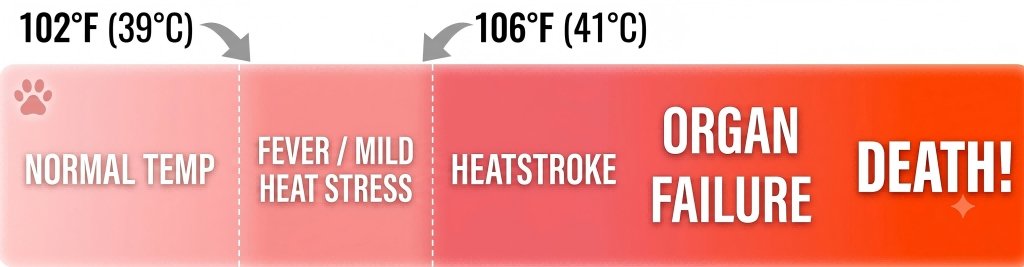
A healthy cat normally has a body temperature between 99.5°F and 102.6°F (37.5°C to 39.2°C). When a cat’s core body temperature rises above 105.8°F (41°C), it is considered a medical emergency.
At this point, excessive heat can begin affecting normal body functions. If the temperature continues to rise, it may lead to serious complications, including brain damage, organ failure, and, in severe cases, death.
Heatstroke can happen outdoors during hot summer days, but it can also happen indoors. A closed room with poor airflow, direct sunlight through windows, or a hot vehicle can quickly become dangerous for cats.
Signs of Heatstroke in Cats
Cats are experts at hiding discomfort, which means early signs of heatstroke can sometimes be easy to miss.
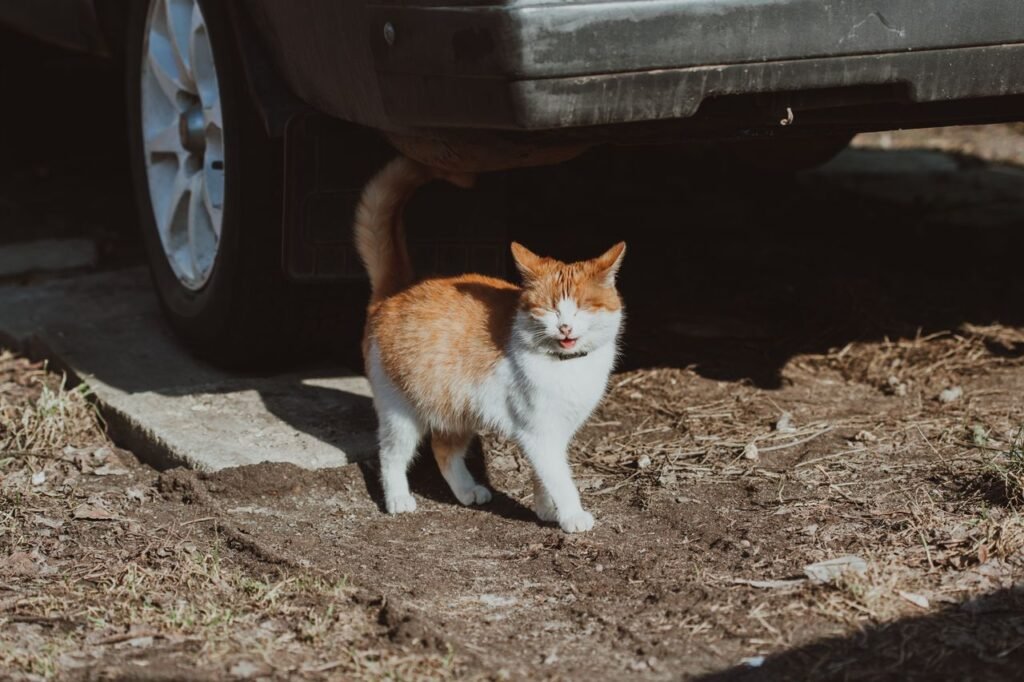
A cat experiencing overheating may not immediately appear seriously ill. However, small changes in behavior, breathing, or movement can be important warning signals.
If your cat has been exposed to high temperatures, watch closely for the following symptoms.
Early Warning Signs of Heatstroke
Common early signs include:
- Panting or rapid breathing Unlike dogs, cats rarely pant unless they are stressed, overheated, or experiencing a medical problem. Panting in a hot environment should always be taken seriously.
- Excessive drooling Heat stress can affect saliva production and cause unusual drooling.
- Fast heartbeat A rapid heart rate may occur as the body tries to manage rising temperatures.
- Lethargy or reduced activity Your cat may become unusually tired, stop playing, or ignore toys and your calls.
- Seeking cool areas Some cats may hide on tile floors, near air conditioners, or in shaded areas because they are trying to cool down.
- Weakness or difficulty walking Affected cats may appear unsteady, confused, or have trouble standing normally.
- Vomiting or nausea Digestive problems can occur as the body becomes stressed by excessive heat.
- Bright red gums or mouth tissues Changes in gum color may indicate that your cat’s body is reacting to heat stress.
If your cat is panting, acting unusually quiet, or showing signs of weakness after being exposed to heat, treat it as a possible emergency. Move them to a cooler area immediately and begin gentle cooling while contacting your veterinarian.
Severe Symptoms of Cat Heatstroke
As heatstroke progresses, high body temperatures can begin affecting the brain, circulation, and internal organs.
More serious warning signs may include:
- Confusion or disorientation
- Collapse or inability to stand
- Seizures
- Extreme weakness
- Difficulty breathing
- Loss of consciousness
- Bloody diarrhea
- Abnormal bleeding or bruising
- Organ failure
Severe heatstroke can cause damage to the kidneys, liver, heart, and nervous system. Even if a cat appears to recover after cooling down, internal injuries may continue developing.
Delayed Problems After Heatstroke
One of the most dangerous things about heatstroke is that some complications may not appear immediately.
A cat may seem better after being cooled down, but damage caused by excessive heat can continue affecting the body for several days.
Possible delayed complications include:
Kidney problems
Heatstroke can reduce blood flow to the kidneys, which may lead to kidney injury or failure.
Signs may include:
- Drinking much more or less than usual
- Reduced urination
- No urine production
Liver damage
The liver is especially sensitive to extreme temperatures.
Possible signs include:
- Yellowing of the gums, skin, or eyes
- Loss of appetite
- Extreme tiredness
Heart and breathing problems
Heat stress can affect the heart and lungs, causing:
- Irregular heartbeat
- Breathing difficulties
- Weakness or collapse
Nervous system problems
High temperatures can damage the brain and nervous system, potentially causing:
- Seizures
- Confusion
- Changes in behavior
Because delayed problems can occur, a veterinary check-up is recommended even if your cat seems normal after a heatstroke episode.
A Real Rescue Story: A Reminder of How Dangerous Heat Can Be
A real rescue case shows just how quickly extreme heat can become life-threatening.
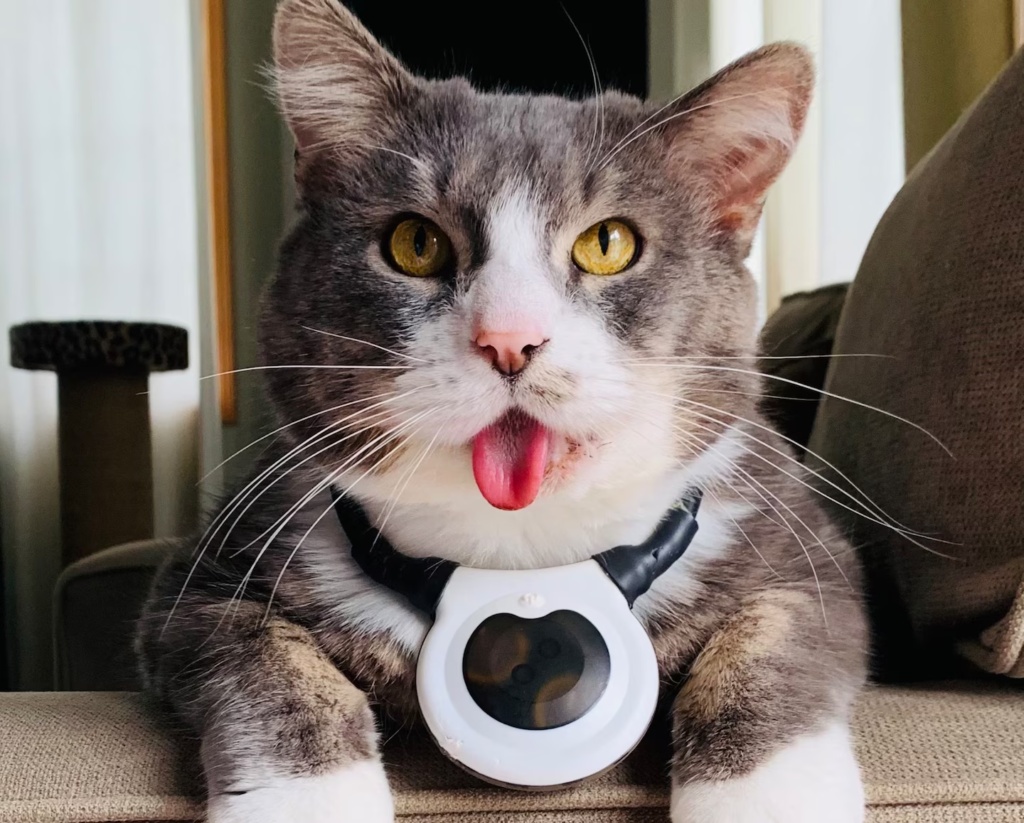
His recovery story later gained attention online, reminding pet owners that heat exposure can have serious consequences and that animals left in hot environments can quickly become victims of heatstroke.
Cat Heatstroke Treatment and First Aid Steps
If you suspect your cat is suffering from heatstroke, every minute matters. The goal of cat heatstroke treatment is to lower your cat’s body temperature safely while getting professional veterinary help as quickly as possible.
At-home cooling measures are only the first step. Heatstroke can cause internal damage even after your cat appears to recover, so contacting a veterinarian should always be part of the plan.
Here are the immediate steps you can take.
1. Move Your Cat to a Cooler Area Immediately
The first thing to do is remove your cat from the source of heat.
Move your cat to a:
- Cool indoor room
- Shaded area
- Well-ventilated space
- Area with air conditioning or a fan if available
If your cat is outdoors, do not spend extra time trying to cool them down where they are. Move them away from direct sunlight as quickly as possible.
Also check the surface your cat is lying on. Hot pavement, concrete, or outdoor surfaces can continue transferring heat back into their body. Place them on a cooler surface or use a towel or blanket as a barrier.
Avoid forcing your cat to walk if they seem weak or unstable. A cat experiencing heatstroke may become dizzy, confused, or unable to move normally.
2. Begin Gentle Cooling
Once your cat is in a cooler environment, start lowering their body temperature gradually.
One of the safest ways to help cool an overheated cat is by using cool water and airflow.
You can:
- Wet a towel with cool (not ice-cold) water and gently apply it to your cat
- Lightly spray their fur with cool water
- Use a fan to improve airflow around their body
The key is helping water evaporate from the skin.
Cats have thick fur that can trap heat, so simply wetting the outside of the coat may not be enough. If possible, allow the water to reach the skin, especially in areas where fur is thinner.
Good areas to cool include:
- Paw pads
- Inner thighs
- Belly area
- Neck area
However, avoid completely soaking your cat if they are stressed, weak, or struggling to breathe. Some cats may become frightened by excessive water, which can increase stress and make the situation worse.
3. Use Cooling Packs Carefully
If you have an ice pack or a bag filled with ice and water, you can use it to provide additional cooling.
Place the cooling pack near areas with larger blood vessels, such as:
- Neck
- Inner thighs
- Armpits
- Abdomen
These areas allow heat exchange through blood circulation.
However, do not place ice directly against your cat’s skin for a long period. Extremely cold temperatures can cause blood vessels to constrict and may reduce the body’s ability to release heat.
For short-haired cats, place a thin towel between the ice pack and the skin.
For long-haired cats, their coat provides some insulation, but you should still monitor their reaction carefully.
4. Offer Water Only If Your Cat Is Alert
A cat with heatstroke may be dehydrated and may need fluids, but do not force them to drink.
If your cat is:
- Awake
- Alert
- Able to swallow normally
you can offer a small amount of fresh water.
Do not:
- Pour water into your cat’s mouth
- Force them to drink
- Give water if they are confused or unconscious
Forcing fluids can increase the risk of choking or aspiration.
5. Avoid Overcooling Your Cat
While cooling is important, bringing your cat’s temperature down too quickly can create additional problems.
Stop active cooling once your cat’s temperature returns to a normal range or if they begin showing signs of becoming too cold, such as:
- Shivering
- Muscle tremors
- Increased discomfort
If you have a thermometer and can safely check your cat’s temperature, monitoring can help guide your actions.
However, do not delay veterinary care just to measure temperature repeatedly.
The priority is getting your cat stable and seeking professional help.
6. Contact Your Veterinarian as Soon as Possible
Even if your cat appears better after cooling down, veterinary care is still recommended.
This is because heatstroke can cause hidden internal damage that may not be immediately visible.
A veterinarian may check:
- Kidney function
- Liver function
- Blood clotting ability
- Heart function
- Neurological condition
Some cats may develop complications hours or even days after the initial heat exposure.
A cat that has experienced heatstroke should not be considered completely recovered just because their breathing returns to normal or they start acting like themselves again.
Cat Heatstroke Treatment at the Veterinary Hospital
At the veterinary hospital, treatment depends on how severe your cat’s heatstroke is and whether any internal damage has occurred. The veterinarian will first focus on safely lowering your cat’s body temperature, restoring hydration, and stabilizing their condition.
Your cat may receive IV fluids to support hydration and circulation, along with careful temperature monitoring to prevent both continued overheating and overly rapid cooling. Blood tests may also be performed to check whether heatstroke has affected important organs, including the kidneys, liver, muscles, or blood clotting system.
If your cat is having difficulty breathing or showing signs of serious stress, the veterinarian may provide oxygen support and additional medications or supportive treatments to manage complications and help with recovery.
How to Prevent Heatstroke in Cats
The best way to protect your cat from heatstroke is prevention. Unlike an emergency situation, preventing overheating is something you can control every day.
Here are practical ways to keep your cat safe during hot weather.
Keep Your Home Cool and Well Ventilated
Indoor cats are usually safer from extreme heat than outdoor cats, but they can still overheat in hot environments.
During summer:
- Keep your home at a comfortable temperature
- Use air conditioning when temperatures become excessive
- Close curtains or blinds during the hottest part of the day
- Provide shaded resting areas
- Keep air circulating with fans when appropriate
Do not assume that your cat will always find a cool place by themselves. If the entire indoor environment becomes too hot, even cats may struggle to cool down.
Provide Fresh Water in Multiple Places
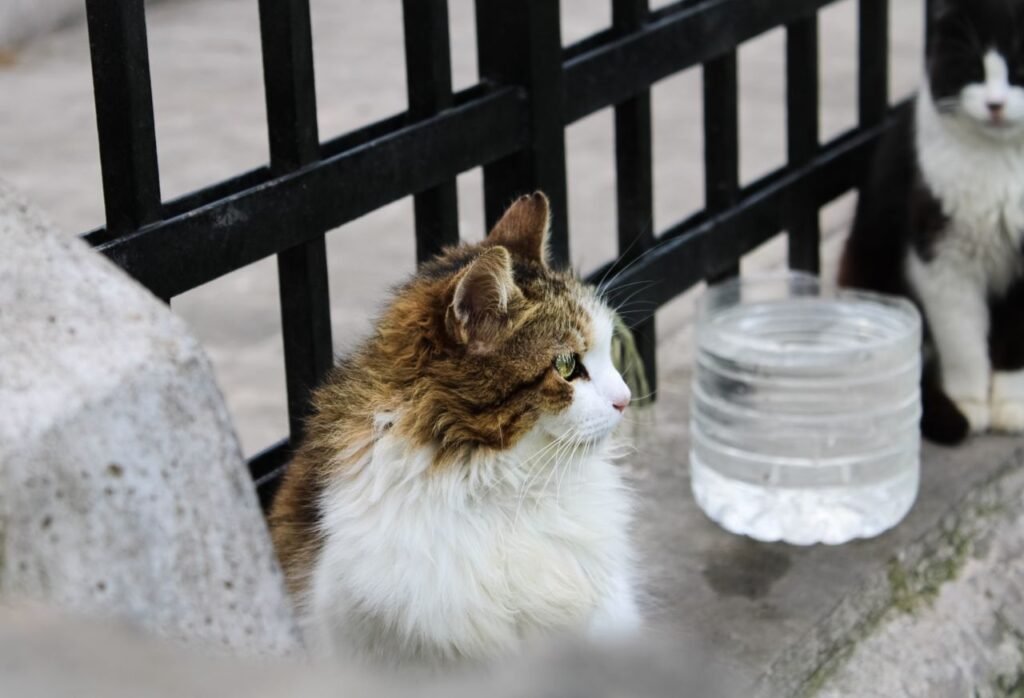
Hydration plays an important role in helping cats regulate their body temperature.
To encourage drinking:
- Place water bowls in several areas around your home
- Refresh water regularly
- Consider using a cat water fountain if your cat prefers moving water
- Keep water away from hot, sunny areas
Some cats naturally drink less water than others, so making water easily available can help prevent dehydration during warmer months.
Avoid Outdoor Heat During the Hottest Hours
If your cat spends time outdoors, try to limit outdoor activities during the hottest parts of the day, especially from late morning through the afternoon when temperatures are highest and direct sunlight is strongest. In addition to heatstroke, prolonged exposure to direct UV rays during these hours puts cats at risk of cat sunburns and long-term skin damage. Before allowing your cat outside, consider factors such as the temperature, humidity, available shade, and the surface temperature of the ground. Pavement, concrete, and asphalt can become much hotter than the surrounding air and may quickly increase your cat’s risk of overheating, even if the weather does not seem extremely hot.
Never Leave Your Cat Alone in a Hot Car
ALeaving a cat unattended inside a parked vehicle is one of the most dangerous things you can do during hot weather. The Humane World for Animals has warned pet owners about the serious risks of extreme heat, including the danger of leaving pets inside cars, where temperatures can quickly reach life-threatening levels.
Never leave your cat alone in a parked car, even if you think you will only be away for a few minutes or leave the windows slightly open. A cracked window does not provide enough ventilation to keep a vehicle safe, and the temperature inside a car can rise rapidly, putting your cat at risk of heatstroke within a very short period of time.
Be Extra Careful With High-Risk Cats
Some cats may be more vulnerable to heat because they have a harder time regulating body temperature.
Extra caution is needed for:
- Senior cats
- Kittens
- Overweight cats
- Long-haired cats
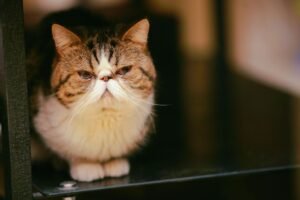
- Cats with flat faces (brachycephalic breeds)
- Cats with existing health concerns
For these cats, prevention is especially important because overheating can happen faster.
Frequently Asked Questions About Cat Heatstroke
The earliest signs of heatstroke in cats often include panting, rapid breathing, drooling, weakness, tiredness, and unusual behavior.
Unlike dogs, cats do not normally pant. If your cat is panting after being exposed to heat, it should be treated as a warning sign.
Moving your cat to a cooler place and starting gentle cooling immediately can help prevent the condition from becoming worse.
Yes, many cats can recover from heatstroke, especially when treatment begins quickly.
However, recovery depends on several factors, including:
How high the body temperature became
How long the cat was exposed to heat
Whether organs were affected
How quickly treatment was provided
Cats with severe heatstroke may require hospitalization and ongoing monitoring.
There is no single temperature that is dangerous for every cat because risk depends on factors such as humidity, airflow, age, health, and breed.
However, cats may struggle to stay comfortable in very hot environments, especially when temperatures continue rising and they have limited ways to cool themselves.
During hot weather, always provide:
Fresh water
Shade
Good ventilation
A cool resting area