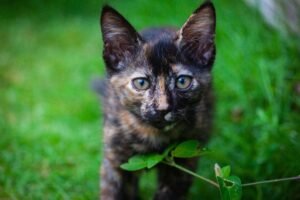

When kittens first open their eyes, those bright blue eyes are often one of the most adorable things new cat owners notice.
But if you keep watching, you may see something surprising: those baby-blue eyes slowly begin to change. A few weeks or months later, your kitten’s eyes may become green, gold, amber, copper, or another beautiful shade. This transformation is a completely normal part of growing up.
So why do kittens have blue eyes at first? When does their permanent eye color appear? And how can you tell whether a change is normal?
Let’s take a closer look at the fascinating process behind kitten eye color development.
Newborn Kittens Start With Blue Eyes
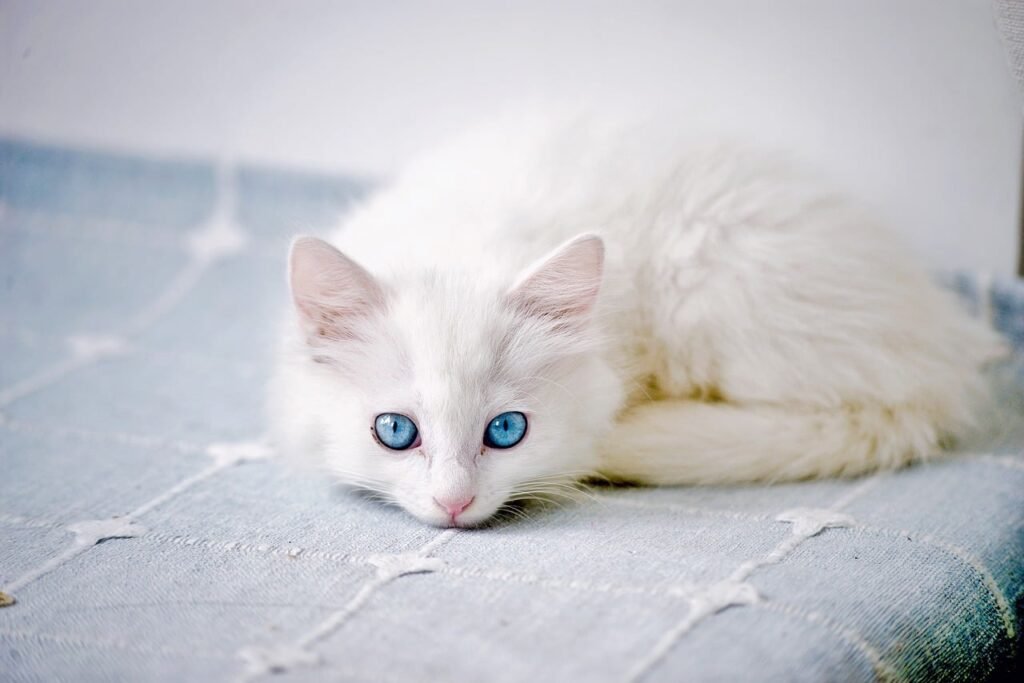
When kittens are born, their eyes are closed. Most kittens begin opening their eyes when they are around 7 to 10 days old.
When those tiny eyes first appear, they usually look blue. But this blue color is not their final eye color. The reason is simple: newborn kittens have not developed enough melanin in their irises yet.
Melanin is the pigment responsible for eye color. In cats, the amount and distribution of melanin help determine whether their eyes eventually become blue, green, yellow, gold, amber, or copper.
Because young kittens have very little pigment in their irises, light scatters through the eye tissue and creates the blue appearance we see.
As the kitten grows, the cells responsible for producing melanin become more active, and their true eye color gradually begins to appear.
Kitten Eye Color Changes at 2–4 Months
Between 2 and 4 months of age, many kittens enter the most noticeable stage of eye color change.
You may start seeing hints of their adult color:
- A blue eye may develop green or gold tones.
- A grayish eye may become warmer in color.
- A kitten with changing pigment may appear to have different shades depending on the lighting.
During this period, the iris is gradually producing more melanin, and the final color starts becoming clearer.
The exact shade depends on genetics and how much pigment develops in the iris.
Some common results include:
- Low pigment levels: Blue or green eyes
- Moderate pigment levels: Gold, yellow, or amber eyes
- Higher pigment levels: Rich copper-colored eyes
It is completely normal for a kitten’s eyes to look different from week to week during this stage. Many cat owners notice that their kitten’s eye color seems to change gradually as they grow.
Remember, every kitten develops at their own pace. Some cats show their adult eye color earlier, while others continue changing for several more months.
Adult Eye Color Develops at 6–12 Months
By the time your kitten reaches around 6 months old, their eye color is usually much easier to identify.
For many cats, the major changes happen during the first few months of life, when melanin production in the iris increases and their adult eye color begins to appear. By 6 to 12 months old, most cats have reached their permanent eye color.
At this stage, your kitten’s eyes may settle into shades such as:
- Blue
- Green
- Gold
- Yellow
- Amber
- Copper
While eye color usually stays the same after maturity, it’s important to remember that a sudden eye color change in an adult cat is different from normal kitten development.
A kitten growing from blue eyes into their adult color is a natural part of growing up. But an adult cat whose eyes suddenly become cloudy, darker, lighter, or different in one eye may need a veterinary checkup.
What Color Will My Kitten’s Eyes Become?
Many cat owners wonder:
“My kitten has blue eyes right now. Will they stay blue?”
The answer depends mostly on genetics.
A kitten’s final eye color is influenced by how much melanin develops in the iris and how that pigment is distributed.
While you cannot always predict the exact color, genetics can offer some clues.
Blue Eyes
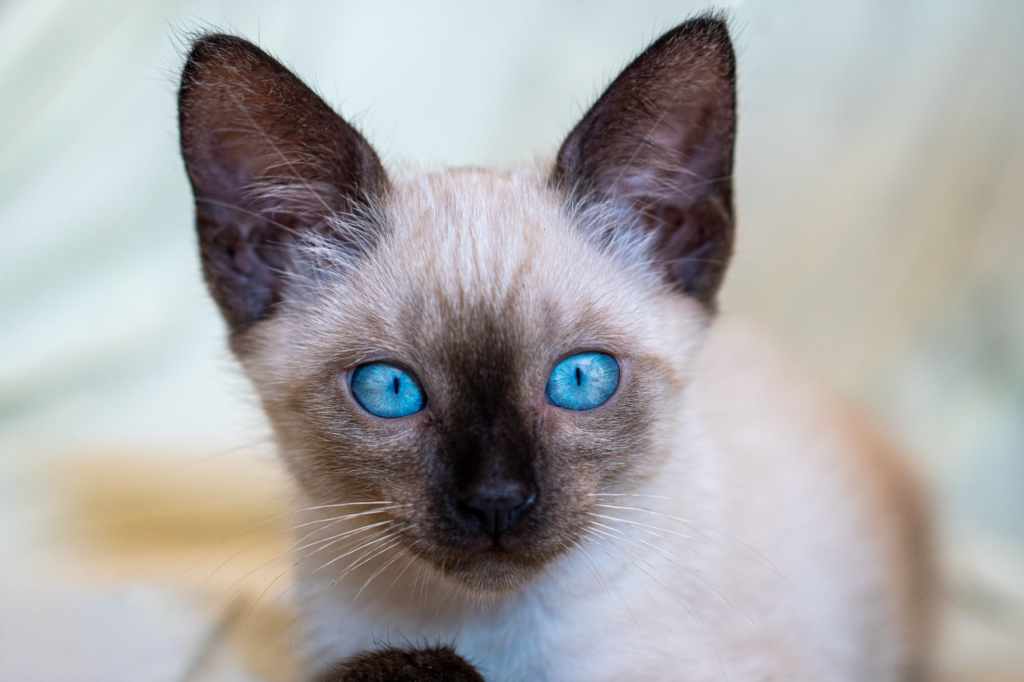
Cats with blue eyes have very little pigment in their irises.
Some breeds are known for naturally keeping their blue eyes into adulthood, including:
- Siamese
- Ragdoll
- Balinese
- Himalayan
These cats have genetic traits that limit pigment development in the iris.
Green Eyes
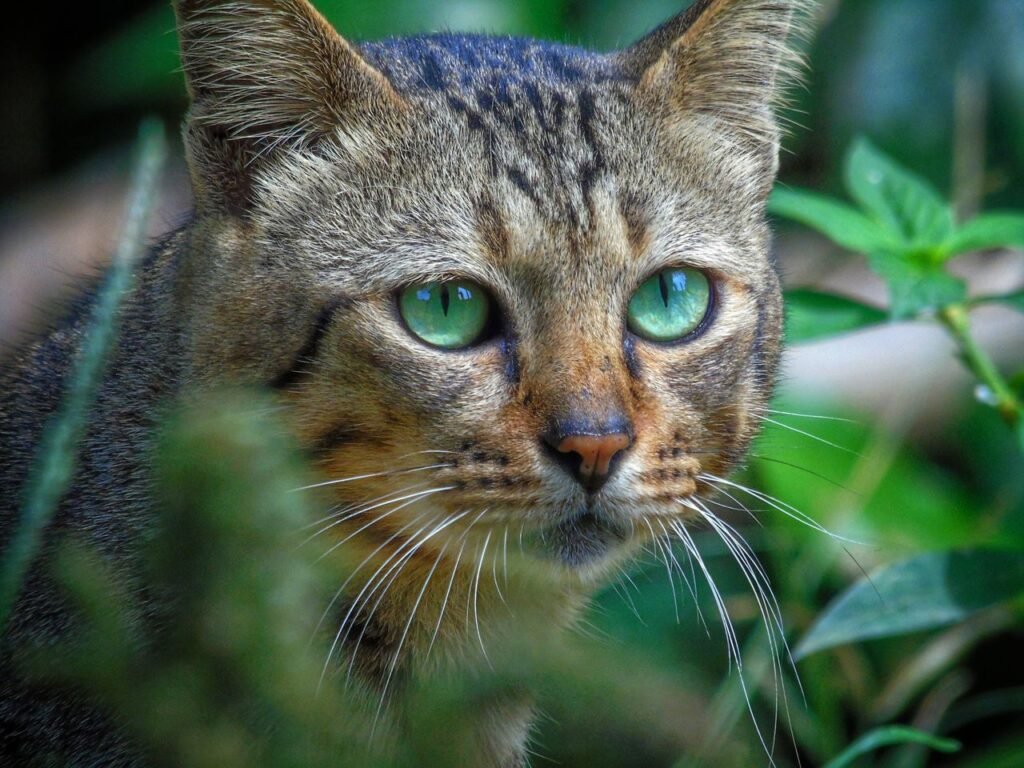
Green eyes are caused by lower levels of pigment compared with gold or copper eyes.
Many domestic cats can have beautiful green eyes, and the shade may range from pale green to deep emerald.
Gold, Amber, and Copper Eyes
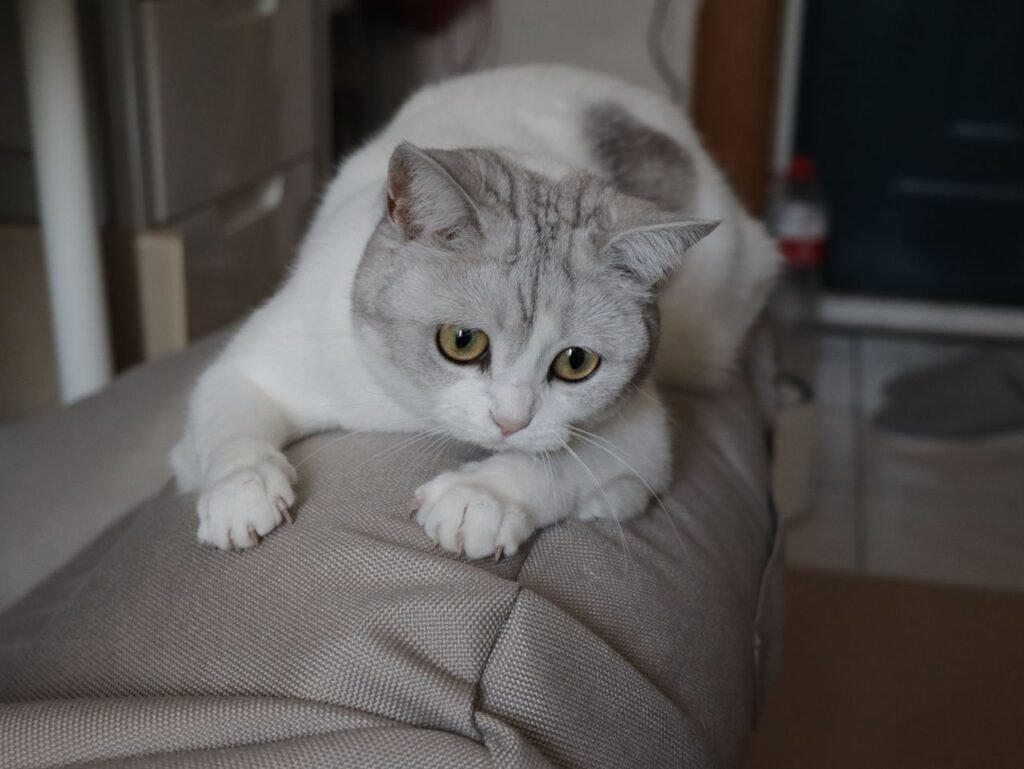
These warmer eye colors are common in many cat breeds and mixed-breed cats.
Examples include:
- British Shorthair
- American Shorthair
- Persian cats
Depending on genetics, their eyes may develop into shades of golden yellow, amber, or rich copper.
Why Do Some Cats Have Two Different Colored Eyes?
Sometimes a cat has one blue eye and one green, gold, or amber eye.
This condition is called heterochromia.
Heterochromia happens when melanin develops differently between the two eyes. It is often related to genetics and is more commonly seen in cats with certain coat patterns, especially cats with a lot of white fur.
For many cats, having different-colored eyes is simply a unique and harmless feature.
It is especially common in breeds such as:
- Turkish Angora
- Turkish Van
- Some white-coated cats
However, if an adult cat suddenly develops different-colored eyes, that is not the same as inherited heterochromia and should be checked by a veterinarian.
When Is an Eye Color Change a Sign of a Problem?
Normal kitten eye color development happens gradually over several months.
However, if an adult cat’s eye color suddenly changes, it may be a sign of an underlying health issue.
Contact your veterinarian if you notice:
Cloudy or Hazy Eyes
A cloudy appearance may be associated with conditions such as cataracts or other eye problems.
Redness, Swelling, or Discharge
These symptoms may indicate irritation, infection, or inflammation that needs attention.
One Eye Suddenly Changes Color
A sudden difference between the two eyes can sometimes be related to inflammation or other medical conditions.
Changes Along With Behavioral Symptoms
Pay attention if eye changes happen together with:
- Squinting
- Pawing at the eye
- Avoiding bright light
- Changes in appetite or activity
Your veterinarian can determine whether the change is harmless or requires treatment.