
Have you ever looked at your cat’s nose and wondered why it’s black, pink, brown, or even a mix of colors?
A cat’s nose color is mostly determined by genetics and the amount and distribution of pigment in the skin. Coat color often gives you a clue, but cats of the same color can still have different looking noses.
And if your cat’s nose seems to change color from time to time, that can be normal, too. Temperature, blood flow, age, pigmentation, and certain health conditions can all affect how a cat’s nose looks.
Here’s what the most common cat nose colors mean, and when a change in color is worth paying attention to.
What Determines a Cat’s Nose Color?
The color of a cat’s nose, also called the nose leather, is mainly determined by melanin, the pigment responsible for color in the skin, hair, and eyes.
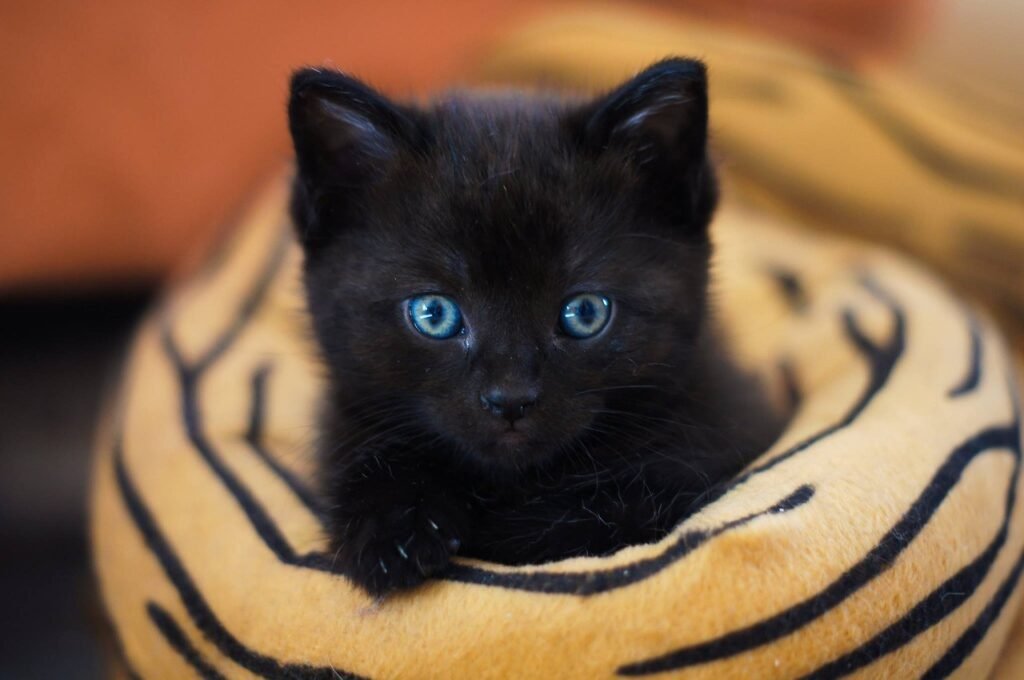
In fact, this same pigment is why kittens are born with blue eyes and gradually change eye color as they grow.
Two main types of melanin are involved:
- Eumelanin produces darker shades such as black, brown, and gray.
- Pheomelanin produces reddish, orange, and yellowish tones and contributes to the pink or orange-pink colors seen in some cats.
Genetics determine how much pigment a cat produces and where that pigment appears. That’s why nose color often follows coat color, although the relationship isn’t always straightforward.
Common Cat Nose Colors
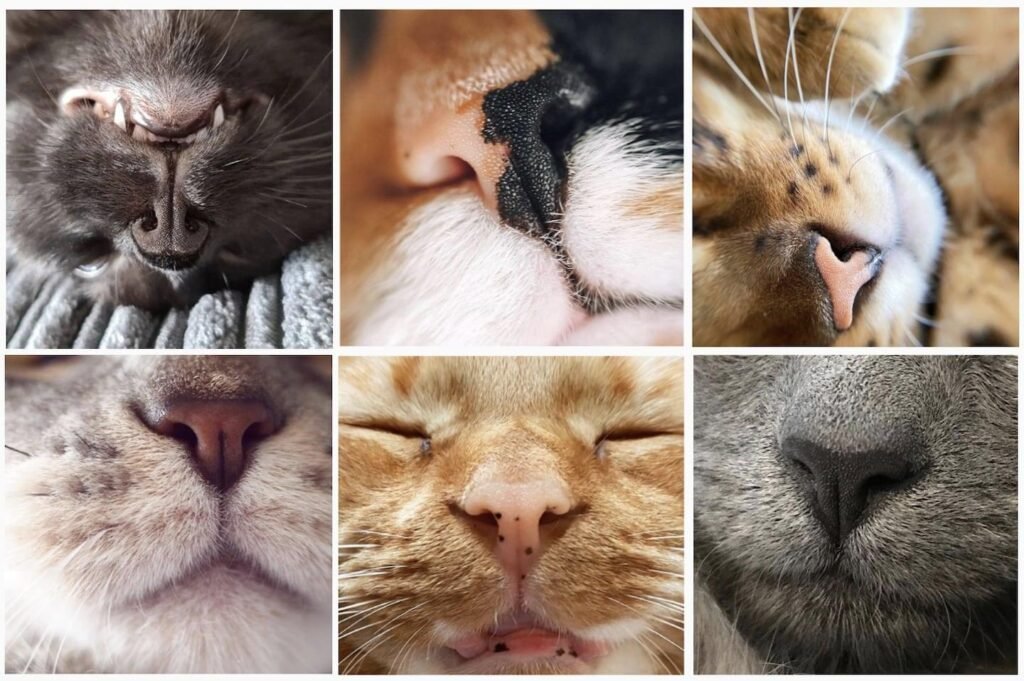
Cats can have noses in a surprisingly wide range of shades. Black and pink are probably the easiest to recognize, but brown, gray, and mottled pink-and-black noses are also common.
Black
Black noses are caused by a higher concentration of dark pigment in the nose leather.
They are especially common in cats with black or dark-colored fur around the face, including many black cats, tortoiseshell cats, and black-and-white cats when the area around the nose is black.
Some blue-gray cats, including Russian Blues, British Shorthairs, and Chartreux, may also have dark gray to slate-colored noses rather than a true pink nose.
Colorpoint cats such as Siamese cats typically have dark noses as well, although the exact shade can vary with their coat coloring and genetics.
Pink
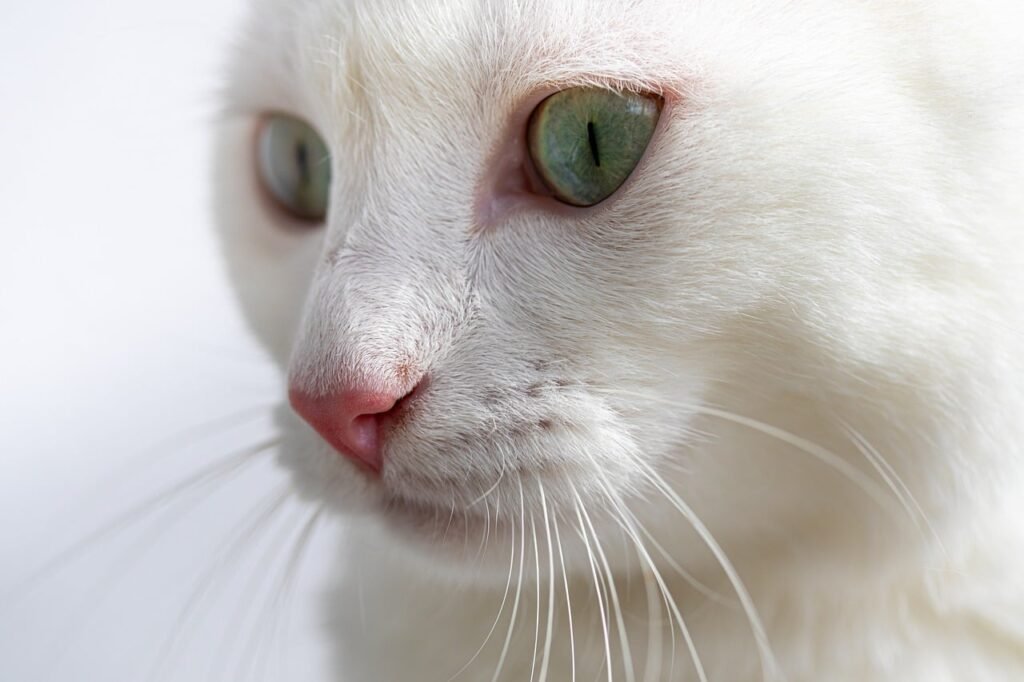
Pink noses contain much less melanin, allowing the underlying blood vessels to give the nose its rosy appearance.
Pink noses are common in white cats and many orange, cream, and orange-and-white cats. They can also occur in black-and-white and calico cats when the fur and skin around the nose have less pigment.
Some cats have a completely pink nose, while others have a pink nose with small areas of darker pigmentation.
Brown or Reddish-Brown
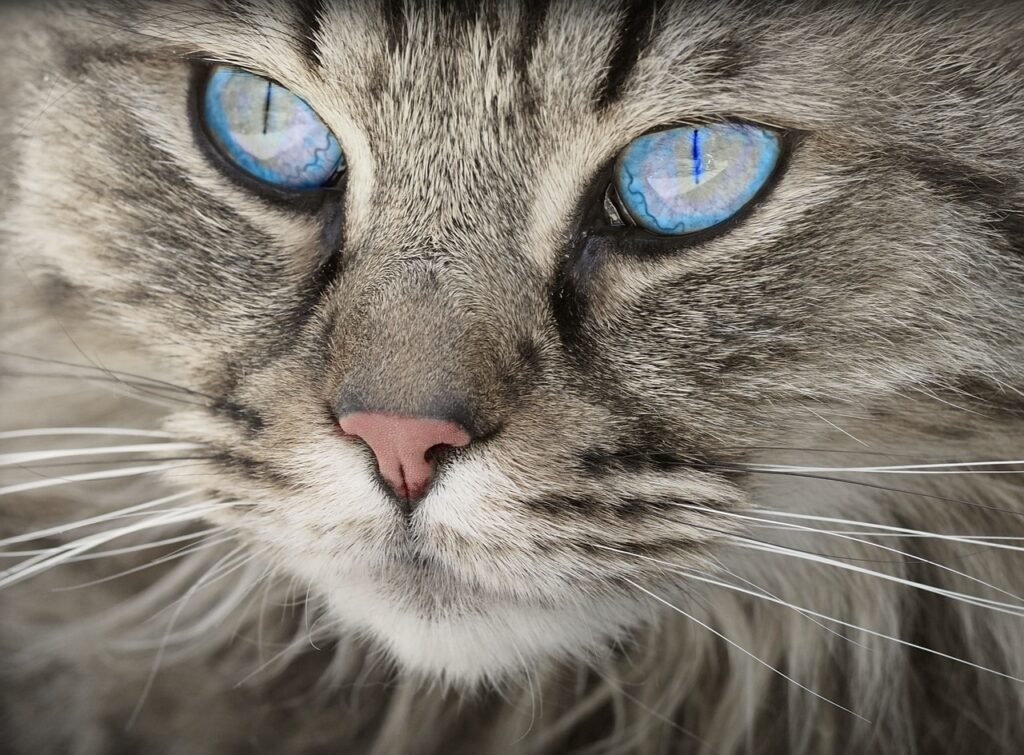
Brown and reddish-brown noses are another natural variation in cat pigmentation.
This color is particularly common in many tabby cats, whose coat patterns are closely related to the coloring seen in wild cats. The nose may range from warm brown to a deeper reddish-brown depending on the cat’s genetics and overall coloring.
A tabby-and-white cat can also have a brown or reddish-brown nose if the skin around the nose is pigmented, even when the surrounding fur is white.
Mottled
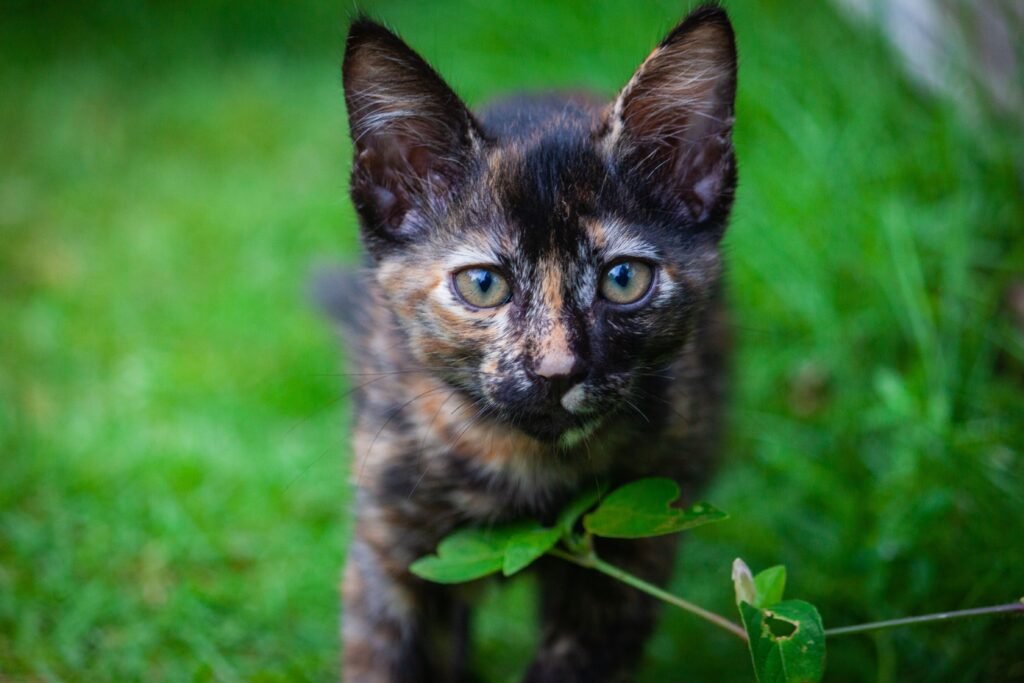
Some cats have noses with a mixture of pink and dark pigmentation rather than one solid color. This is often called a mottled nose.
The pattern can look like small dark spots or patches scattered across a pink nose. It is especially common in cats with multiple coat colors, including calico and tortoiseshell cats, although other cats can have mottled pigmentation as well.
A mottled nose is usually simply a result of how pigment is distributed in the skin.
Why Does a Cat’s Nose Change Color?
Not every change in nose color means something is wrong.
A cat’s nose may look slightly different depending on temperature, activity level, blood flow, age, or changes in pigmentation. Some changes last only a few minutes, while others develop gradually over months or years.
The important thing is to know what is normal for your individual cat and watch for changes that are sudden, persistent, or accompanied by other symptoms.
1. Temperature, Blood Flow, and Activity
One of the easiest changes to notice is a temporary shift in the color of a pink nose.
When a cat is active, excited, stressed, or warm, increased blood flow to the skin can make the nose look darker pink or reddish. After a cat settles down or becomes cold, the nose may appear lighter.
These temporary changes are usually nothing to worry about, especially if the nose quickly returns to its usual color.
However, a nose that remains unusually pale, blue, purple, or discolored should not be dismissed as a normal temperature-related change.
2. Age and Pigmentation
A cat’s nose can also develop new pigment spots as it gets older.
Lentigo, or cat freckles, is a common example. It is particularly common in orange cats and can also occur in tortoiseshell and calico cats. Small, flat black or brown spots may gradually appear on the nose, lips, gums, or around the eyes.
Lentigo itself is harmless and is not the same thing as skin cancer.
As cats age, other changes in pigmentation can occur as well. Some areas may become lighter, while others may develop additional spots or darker patches.
3. Seasonal Changes
Some cats experience a seasonal change in nose pigmentation sometimes referred to as “snow nose.”
This phenomenon is much more commonly discussed in dogs, but similar seasonal pigment changes can occasionally occur in cats. The nose may become lighter during colder months and return to its usual color when temperatures rise.
The exact cause of seasonal pigment changes is not completely understood, although changes in pigment production and the activity of enzymes involved in melanin production may play a role.
A seasonal change that gradually returns to normal is generally less concerning than a sudden or irregular change accompanied by other symptoms.
4. Health Problems and Warning Signs
While many changes in nose color are harmless, some can be associated with illness. Pay closer attention if the color change is sudden, persistent, or accompanied by changes in your cat’s behavior, appetite, breathing, or skin.
Some warning signs include:
- Anemia: The nose, gums, or other normally pink tissues may become noticeably pale or almost white.
- Jaundice: The skin or tissues around the nose, gums, or eyes may develop a yellowish tint. This can be associated with liver problems or increased breakdown of red blood cells.
- Cyanosis: A blue or purple tint to the nose, gums, or tongue can indicate that the body is not getting enough oxygen and requires prompt veterinary attention.
- Sun damage or skin cancer: Cats with white fur and lightly pigmented noses are more vulnerable to sun damage. Persistent redness, crusting, sores, bleeding, or unusual growths on the nose should be evaluated by a veterinarian.
- Pemphigus foliaceus: This autoimmune skin disease can affect the nose and other areas of the face, causing crusting, scaling, hair loss, or changes in skin appearance.
If your cat’s nose suddenly looks very different from normal—or the color change comes with other symptoms—it’s better to have your veterinarian take a look rather than trying to determine the cause from the nose color alone.