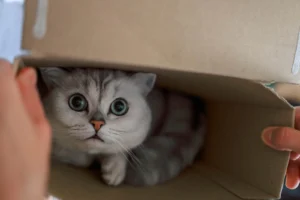

Newborn kittens are tiny, fragile, and completely dependent on their mother. One of the first things many new kitten owners notice is that their eyes are tightly closed at birth.
So, when do kittens open their eyes? Can they see clearly right away? And what should you do if a kitten’s eyes remain closed longer than expected?
A kitten’s vision develops gradually during the first several weeks of life. Understanding this process can help you know what is normal and when your kitten may need extra care.
When Do Kittens Open Their Eyes?
Most kittens begin opening their eyes when they are around 7 to 10 days old. Their eyes usually open gradually, and most kittens will have both eyes fully open within a few days.
However, every kitten develops at a slightly different pace. Several factors may influence when their eyes open, including:
- Environment: Kittens raised in darker, quieter areas may open their eyes slightly later.
- Genetics: Individual genetic differences can affect development speed.
- Mother’s health and age: The mother cat’s condition during pregnancy and nursing may influence kitten development.
- Individual growth: Some kittens simply develop faster or slower than others.
During this early stage, a kitten’s eyes are still immature. Opening their eyes does not mean they can see the world clearly yet. Their vision will continue improving over the next several weeks.
How Does a Kitten’s Vision Develop?
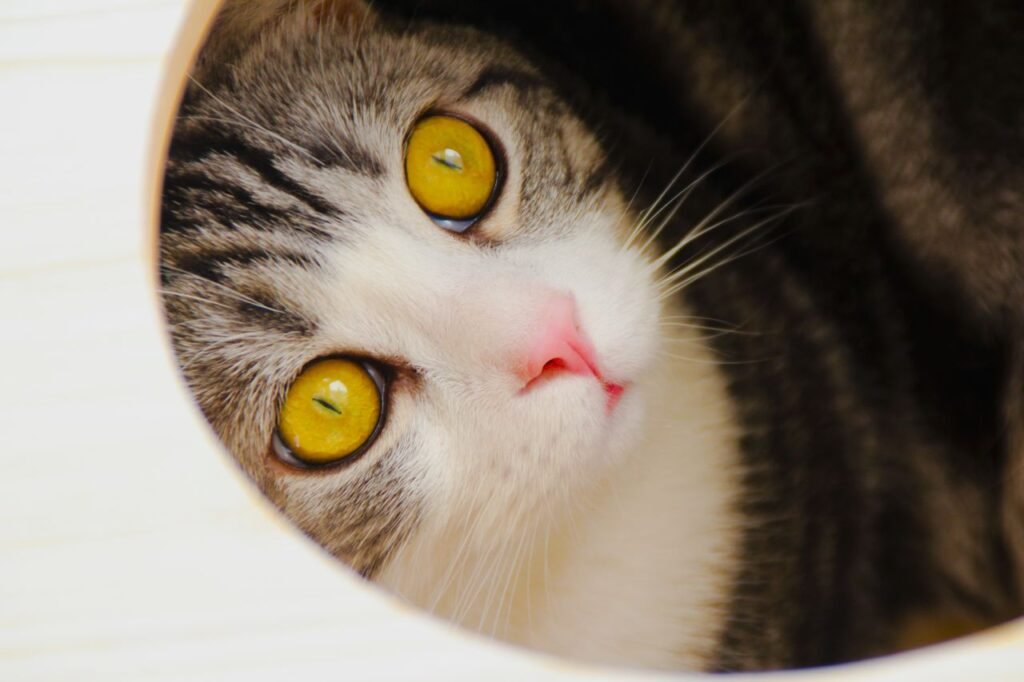
A kitten’s eyesight develops step by step after birth. Unlike human babies, kittens are born with their eyes closed because their visual system is not fully ready to process the world around them.
During the first few weeks, their eyes and brain gradually learn how to work together. Their vision becomes sharper, their depth perception improves, and they become better at tracking movement.
A kitten’s visual development typically follows this timeline:
| Age | Vision Development |
|---|---|
| 0–6 days | The kitten’s visual system begins developing. Although their eyes remain closed, early activity can already be detected in the eyes and brain. |
| 7–10 days | Eyes begin opening. The pupils start developing their ability to respond to changes in light. |
| 15–25 days | Kittens begin developing depth perception, tracking moving objects, and recognizing their mother more easily. |
| 25–35 days | Their coordination improves, allowing them to avoid obstacles and explore their surroundings. |
By about one month old, kittens become much more confident as they move, play, and interact with their environment.
How Well Can Cats See?

Cats are excellent hunters, but their vision works differently from ours.
An adult cat’s visual sharpness is estimated to be around one-tenth of a human’s. This means cats are not as good as humans at seeing tiny details from far away.
For example:
If a person can clearly see two lines that are only 1 millimeter apart, a cat may need those lines to be about 10 millimeters apart to distinguish them.
However, cats have evolved other visual advantages:
- Excellent low-light vision
- Strong ability to detect movement
- Better ability to judge distances
- Wider peripheral vision
These abilities make cats highly effective predators. Their eyes are designed less for reading fine details and more for detecting prey, tracking movement, and making accurate jumps.
Kitten Vision Development by Age
| Age | Estimated Visual Ability |
|---|---|
| 35-day-old kitten | About 0.04 (approximately 1 cycle per degree) |
| 4-month-old kitten | About 0.2 (approximately 5 cycles per degree) |
| Adult cat | About 0.3 (approximately 8–9 cycles per degree) |
(CPD, or cycles per degree, is a measurement used to describe visual resolution.)
Although cats cannot see details as sharply as humans, their eyes are perfectly adapted to their lifestyle.
Should You Open a Kitten’s Eyes If They Stay Closed?
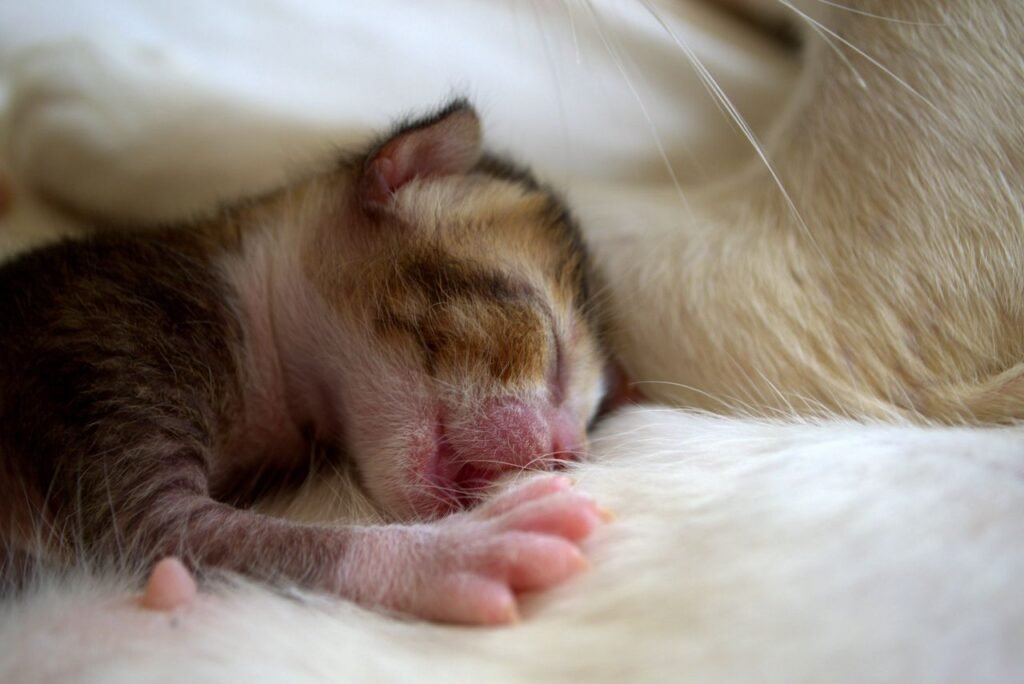
No. Never force a kitten’s eyes open with your fingers.
If a kitten is younger than two weeks old and their eyes are still closed, there is usually no reason to worry. During this early stage of life, their eyelids are protecting their delicate, developing eyes.
However, if a kitten is past this stage and their eyes still remain closed, especially if you notice swelling, redness, or discharge, it could be a sign of an eye infection. In many cases, infections caused by viruses such as feline herpesvirus or feline calicivirus, as well as certain bacteria, can lead to eye discharge that makes the eyelids stick together.
When this happens, it may look like the kitten cannot open its eyes, but the problem is often caused by the discharge rather than the kitten’s natural development. Trying to force the eyes open can injure the delicate eye tissue and make the condition worse.
If discharge is present, you can gently clean around the eyes with a warm, damp cloth. However, kittens with infections often require veterinary treatment, including prescription eye drops or medication.
A veterinarian can determine the cause and provide the right treatment.
More Than Sight: How Kittens Experience the World Before They Can See
Before kittens open their eyes, they rely heavily on their other senses — especially smell, touch, and hearing.
Their sense of smell plays a critical role in finding their mother and locating milk. A kitten’s nose is extremely sensitive and helps them navigate their surroundings even when they cannot see.
Their front paws are also important during this early stage. Kittens instinctively knead their mother’s belly, a behavior often called “making biscuits.” This motion helps stimulate milk flow and provides comfort.
These early instincts are essential for survival. Before kittens are able to explore the world with their eyes, their other senses help guide them safely through their first days of life.