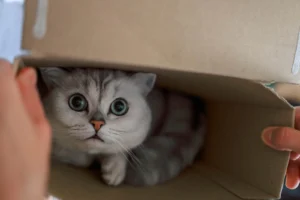

When people decide to get a cat, it is usually because they love cats—their calm nature, soft fur, and independent personalities. But many people don’t realize that living with a cat comes with real benefits, not just emotional ones. Some benefits support physical health, others improve mental well-being, and several have even been supported by scientific research.
Cats may look quiet and low-maintenance, but their impact on human health can be surprisingly powerful.
Physical Health Benefits of Owning a Cat
Having a cat does more than bring comfort and companionship. A growing number of studies suggest that living with a cat can positively affect physical health in multiple ways.
Supporting Healthy Development in Children
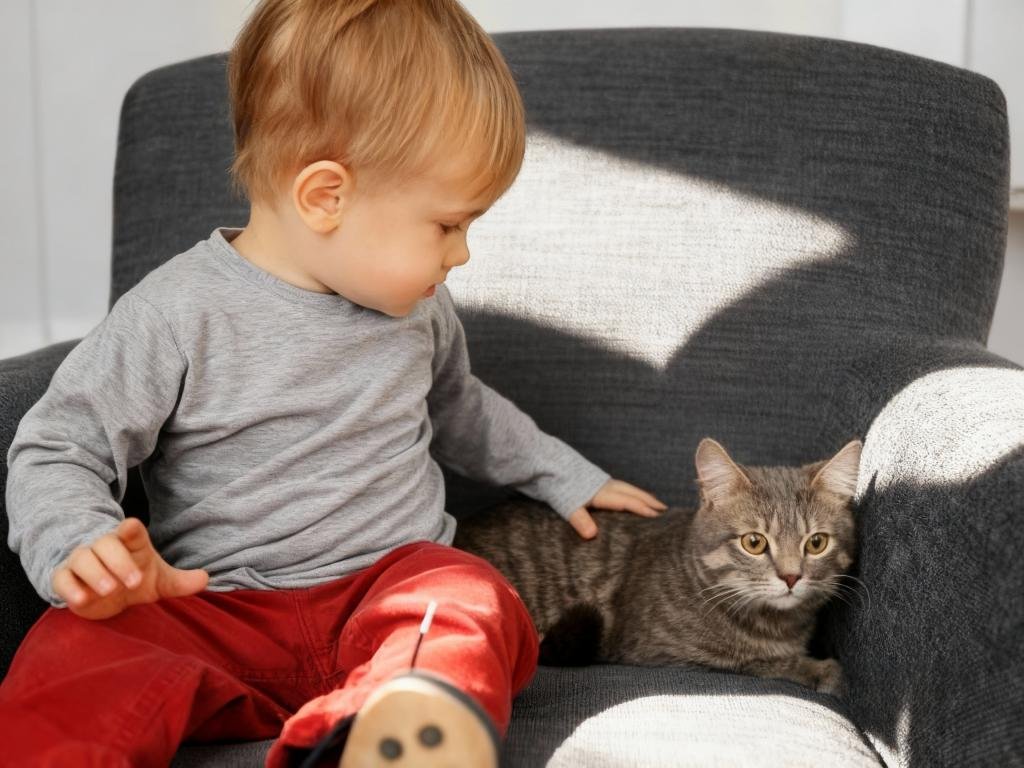
Interacting with cats can help children develop important emotional and social skills. Research by Terry B. Bach, a professor in child development and family relations at East Carolina University, found that children who grow up with pets often learn valuable life skills through daily interaction. These include respect for living beings, kindness, responsibility, learning how to give care, accept affection, and even understand loss. Playing with and caring for a cat can support both emotional maturity and healthy development in children.
Lower Risk of Allergies Later in Life
In 2002, the U.S. National Institutes of Health reported that children who were exposed to cats and other pets during their first year of life were significantly less likely to develop asthma, hay fever, or other allergies as they grew older. While some parents worry about parasites such as Toxoplasma gondii, experts from the National Institute of Allergy and Infectious Diseases have explained that the risk is very low when basic hygiene is followed. Daily litter box cleaning, routine vaccinations, and regular parasite prevention make living with a cat safe for most households, including families planning for pregnancy.
Encouraging Light Physical Activity

Cats may not need daily outdoor walks like dogs, but they still encourage movement. Playing with a cat using wand toys, crinkle balls, or interactive games often turns into light exercise for the owner as well. These short bursts of activity help improve circulation, reduce sedentary behavior, and strengthen the bond between human and cat at the same time.
Lower Blood Pressure
Studies have shown that petting a cat can help lower blood pressure. Anthropologist Constance Perin conducted experiments that found the calming physical response humans experience when touching a cat is similar to the response infants feel during gentle contact with their mothers. On a deeper physiological level, cats provide comfort and emotional regulation, which helps reduce stress-related blood pressure increases.
Better Heart Health
Scientific evidence also supports the idea that cats may help protect heart health. A long-term study conducted by the University of Minnesota followed approximately 4,000 adults over ten years and found that cat owners had about a 30% lower risk of dying from heart attacks or strokes compared to people who did not own cats. The study, published in the Journal of Vascular and Interventional Neurology, suggests that reduced stress levels, lower heart rate, and lower blood pressure all contribute to this protective effect.
A Surprising Biological Benefit
Recent research discussed by the Royal Society of Chemistry suggests that trace sulfur-containing compounds found in a cat’s natural scent may help protect mitochondria at the cellular level. This protection may indirectly lower the risk of conditions such as diabetes and neurodegenerative diseases. While this area of research is still developing, it highlights how deeply cats may influence human biology.
Mental Health Benefits of Living With a Cat
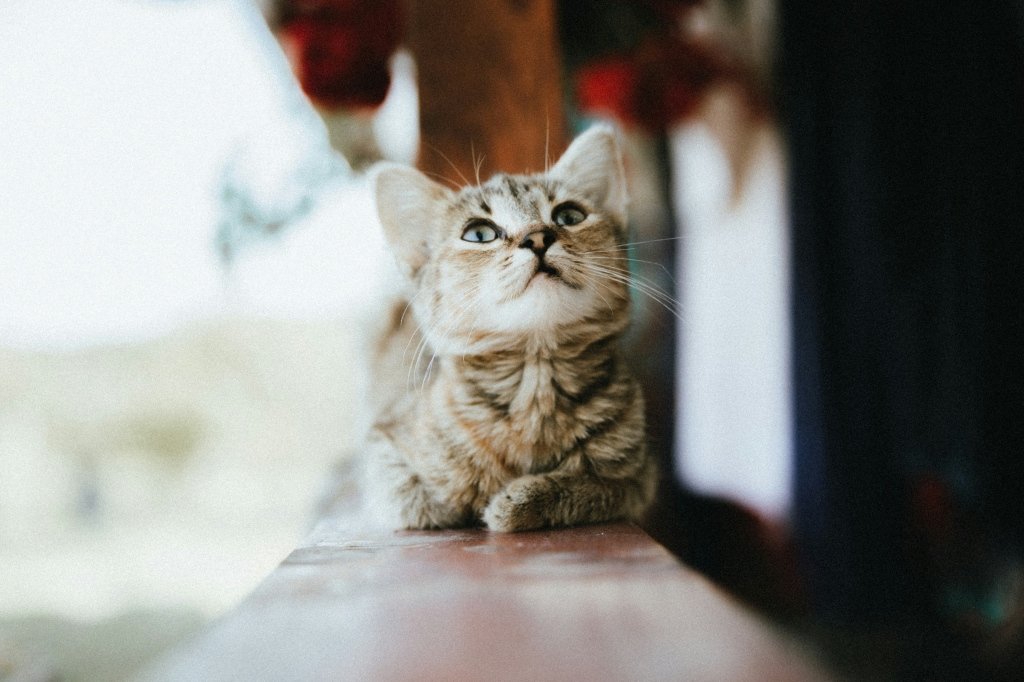
The emotional bond between humans and cats is undeniable. Cats provide companionship, routine, and a sense of stability, all of which play an important role in supporting mental health—especially for people dealing with stress, anxiety, or loneliness.
Reducing Daily Stress
Researchers at the University of Ottawa Heart Institute studied 85 families across 14 programs to examine how pets influence family relationships and social interaction. Their findings showed that cats and dogs helped improve family morale, supported positive communication, and made it easier for people to cope with everyday stress. Interacting with a cat can calm the nervous system and act as a natural emotional buffer during difficult moments.
Helping Ease Depression
Studies have shown that contact with cats can increase feelings of safety and emotional connection in people with depression. Cat ownership has been linked to higher levels of serotonin and dopamine—two brain chemicals closely related to mood regulation. Low levels of these neurotransmitters are commonly associated with major depressive disorders. While cats are not a replacement for professional treatment, their presence can help reduce symptoms and provide emotional comfort.
Making Social Connections Easier
Interestingly, pets can also influence how people see each other. A study in the UK found that nearly 82% of women viewed men with pets as more attractive, and over 90% said men who own cats appeared especially appealing. Pets often serve as social bridges, making conversations and connections easier in daily life.
Cats are truly remarkable companions. That said, it is important to note that many of the studies mentioned above were based on limited sample sizes, and the results suggest correlations rather than absolute conclusions. Still, the evidence strongly points to meaningful physical and mental health benefits.
While cats bring joy, comfort, and proven advantages, owning a cat also comes with responsibility. Before bringing one home, it’s important to carefully consider the long-term commitment. Loving a cat means providing care, patience, and stability—something every cat deserves.
Ready to Start Your Journey?
The health benefits of owning a cat are incredible, but being a great cat parent requires the right knowledge. If you’re inspired to welcome a feline friend into your life, head back to our [Essential Tips for New Cat Owners].