
This article provides a detailed explanation of how to clean your cat’s ears, with photos and videos. Regular cleaning is essential to maintaining ear health, and it’s recommended to also conduct ear health checks.
The Necessity of Cleaning Your Cat’s Ears
Do cats really need their ears cleaned?
Avoid Over-Cleaning the Ears
The exact role of earwax (cerumen) in cats is not fully understood, so it’s best not to clean the ears too often. Inside the cat’s ears are numerous sebaceous glands and apocrine sweat glands. The sebaceous glands secrete triglycerides (neutral fats), cholesterol esters, and phospholipids, while the apocrine glands release proteins and small amounts of pigment. These substances mix together to form a sticky mass, which ultimately becomes earwax. This is further combined with skin debris, making up the cat’s earwax.
While cats have sweat glands all over their bodies, most of these glands are dormant and inactive. The exceptions are the glands on the outer lips, paw pads, and the external ear canal (ear canal), which are active. The glands on the lips serve to “mark” scents, while the paw pads help with “grip.” The function of the sweat glands in the ear canal is unclear, but it is possible that they evolved to serve some specific purpose.
Therefore, over-cleaning the ears could lead to unintended complications, and it’s recommended to avoid frequent cleaning.
The Function and Role of Earwax
What exactly is the purpose of earwax in cats? Human earwax research gives us some clues.
When examining the human ear using an endoscope, earwax accumulates only around 1 cm from the entrance of the ear canal, with no wax near the eardrum. The primary component of earwax is the shedding of newly-formed skin from the center of the eardrum, which migrates outwards, mixing with secretions from earwax and sebaceous glands near the ear entrance. As a result, earwax typically accumulates only near the entrance of the ear canal. Over-cleaning the ears could actually have the opposite effect.
Further research has shown that when earwax is placed in a medium containing Staphylococcus aureus and cultured for 24 hours, bacteria around the earwax fail to proliferate. This is because earwax contains “lysozyme,” a powerful antimicrobial substance that inhibits bacterial growth.
Thus, earwax may serve an antimicrobial function, protecting the ear canal from bacterial infections. While research on cat earwax is limited, it’s possible that it serves to cover the ear canal with a layer of sebum to prevent excessive dryness and inhibit bacterial growth, much like in humans. It may also play a role in scent communication between animals. In any case, earwax likely serves an important function in your cat’s ear health.
When Is Ear Cleaning Necessary?
Although ear cleaning should not be done excessively, there are times when it is necessary. For example, if your cat’s diet is not suitable or if it has a tendency to secrete excessive amounts of sebum due to its constitution, the ears may become very dirty. If left unchecked, this could lead to otitis externa (outer ear inflammation), so it’s important to clean the ears promptly.
Sometimes cats will use their back paws to scratch their ears in an attempt to remove earwax. If this behavior is left untreated, the scratching could cause self-inflicted wounds, allowing bacteria to enter and cause inflammation. In such cases, ear cleaning becomes crucial.
When your cat’s ears turn black or it frequently scratches its ears, it’s time to clean them. It’s recommended to check your cat’s ears weekly. If you notice excessive black earwax, gently clean the area.
When Cats Dislike Ear Cleaning
If your cat is hand-shy or fearful of physical contact (a condition known as “hand-shyness”), you’ll need to acclimate your cat to human touch before starting the ear cleaning process. Here are some steps to gradually get your cat used to ear cleaning.
First, prepare your cat’s favorite treat, typically a snack or special food. With rewards, your cat will gradually learn to associate touching with pleasant experiences.
Steps:
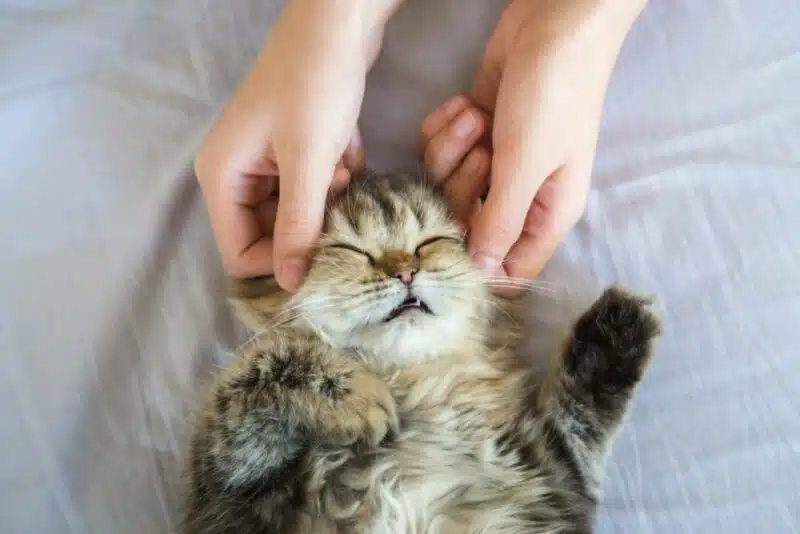
- Start with light contact: If your cat enjoys massages, begin by gently stroking the tip of its ear while you’re massaging its head or back. Start with brief contact, around 1 second. Your cat may not even notice the ear touch as it’s focused on enjoying the massage.
- Gradually increase the contact time: If your cat doesn’t react or seems to enjoy the massage, you can gradually increase the duration of ear contact to 2 seconds, then 3 seconds, and so on. Keep each session short to avoid overwhelming your cat.
- Use treats as a distraction: If your cat loves snacks like “Churu” or similar treats, offer one while gently touching the tip of its ear. Again, start with 1 second of contact, and if your cat remains calm, gradually extend the contact time.
Purpose and Effect:
Through this training, your cat will slowly associate ear touching with a pleasant experience. This method is known as counter-conditioning, a classic behavior modification technique. It helps change your cat’s response by associating their fear or discomfort with a positive reward experience.
Over time, your cat will become accustomed to having its ears touched and will no longer resist as much. This method helps overcome hand-shyness, making ear cleaning smoother and more manageable.
Tools and Methods for Cleaning Your Cat’s Ears
This article will walk you through the methods for cleaning your cat’s ears, with video demonstrations. It’s recommended to check your cat’s ears weekly, and if the ears are very dirty or turn black, gently wipe them. If you choose to take your cat to the vet for ear cleaning or ear treatment, the typical cost ranges from $50 to $150.
Using Cotton to Clean the Ears
First, examine your cat’s ears. If they appear very dirty, use your fingers to gently take a cotton pad and wipe the visible areas near the entrance of the ear canal. For a smoother cleaning process, you can use an ear cleaning solution designed for pets. These solutions typically have exfoliating and antimicrobial properties to aid in cleaning.
Be cautious, though, as some liquid cleaning solutions are intended for direct application inside the ear canal. If your cat has a perforated eardrum (e.g., from polyps), these solutions may flow into the middle ear and lead to otitis media. Before using any ear cleaning products, always check with your vet to ensure the eardrum is intact.
Here’s a video showing how to clean your cat’s ears with cotton and your fingers. Be gentle and avoid vigorous rubbing to prevent skin damage. Only clean the visible parts of the ear, and take care to do it slowly and softly.
Watch the original video here: https://www.youtube.com/watch?v=hsP17cNqBRE
Using Cotton Swabs to Clean the Ears
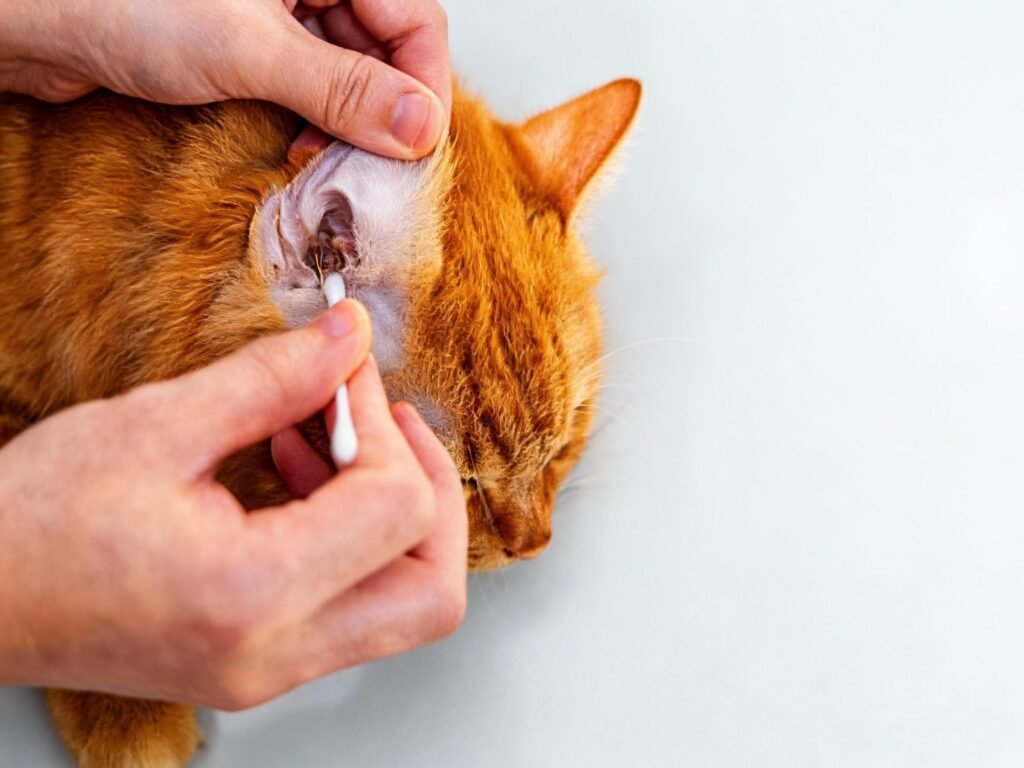
When using cotton swabs to clean deeper into the ear, there’s a risk of pushing the dirt further inside the ear canal. Additionally, if your cat suddenly moves, the swab could injure the ear canal. Therefore, it’s generally advised to clean only the visible areas at the entrance.
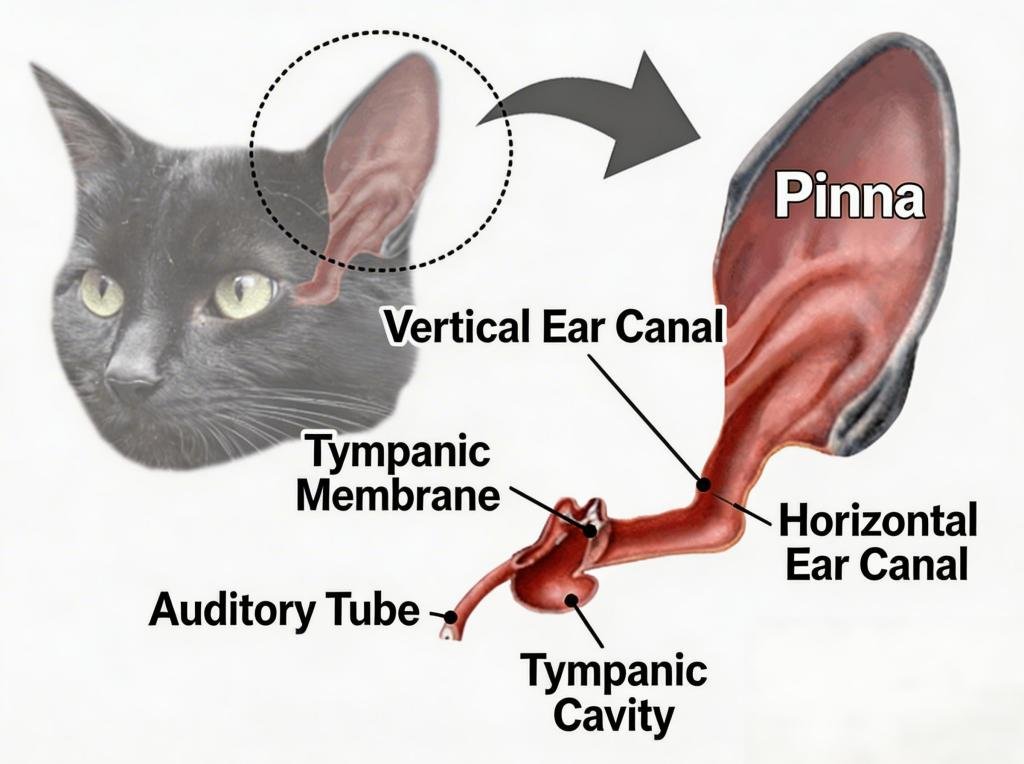
The ear canal structure is complex, with many twists and turns. You can gently pass a cotton swab through these crevices to remove any accumulated dirt. However, the ear canal bends sharply deeper inside, making it inaccessible to your fingers or swabs. For cleaning deeper parts of the ear, it’s best to consult a veterinarian.
Here’s a video showing how to clean your cat’s ears with cotton swabs. Wet swabs are also available for easier cleaning.
Watch the original video here: https://www.youtube.com/watch?v=dfzMgOW_UY8
Beware of Using Essential Oils
Applying essential oils to your cat’s ears is dangerous, especially for antimicrobial or fragrance purposes.
“Essential oils” are 100% natural substances extracted from plants, while “aromatherapy oils” are diluted with alcohol or carrier oils. One particular essential oil to avoid is tea tree oil, which is derived from the Melaleuca tree. According to data from the American Poison Control Center, between 2002 and 2012, there were 106 reported cases of tea tree oil poisoning in cats.
Tea Tree Oil Poisoning Incidents:
- Affected Cats: 106 cases
- Amount Used: 0.1 to 85 ml
- Methods of Poisoning: Applied to the skin, ingested, etc.
- Symptoms: Increased salivation, neurological dysfunction, fatigue, paralysis, tremors. Kittens and smaller cats were more likely to suffer severe symptoms.
Tea tree oil poses a high risk of poisoning in cats because their skin is highly permeable and absorbs substances easily. The ears, being a sensitive part of the body, can quickly absorb toxic oils, leading to poisoning or even life-threatening situations.
Conclusion:
When cleaning your cat’s ears, always use the correct tools and avoid over-cleaning. Never use harmful substances, especially essential oils. Regularly checking and cleaning your cat’s ears is crucial for maintaining ear health, but if you are unsure how to do it, consult your veterinarian for guidance.
Cat Ear Health Check
While cleaning your cat’s ears, it’s important to also check for any abnormalities. Below is a table listing common ear abnormalities in cats and their associated diseases. If you notice any of the changes listed below, it may indicate a disease, and you should take your cat to a vet for further evaluation.
Common Cat Ear Diseases
| Ear Abnormality | Associated Disease |
|---|---|
| Excessive Earwax | Otitis Externa, Ear Mites |
| Swollen Ears | Ear Hematoma |
| Dark Ears | Ear Mites |
| Dull Hearing | Otitis Media, Inner Ear Infection |
| Foul Smell | Ear Mites |
| Ear Tip Discoloration | Frostbite, Squamous Cell Carcinoma |
Other Cat Ear Conditions
In addition to the above diseases, older cats may also develop ceruminous gland tumors (earwax gland tumors). These tumors are caused by the malignant transformation of sebaceous glands within the ear canal, often appearing initially as raised, mole-like growths. The primary treatment for this condition is carbon dioxide laser removal. If you notice any lumps or growths in your cat’s ears, seek veterinary care immediately.
Other Abnormal Symptoms
If your cat persistently scratches its ears with its back legs, it could be due to foreign objects like earwax or polyps lodged in the ear canal. The deeper parts of the ear are typically not visible, so if you notice this behavior, it’s important to get your cat checked by a vet.
Important Reminder
Cat ears are delicate, and the health of the middle and inner ear is especially crucial. If any abnormal symptoms persist or worsen, seek veterinary care promptly. An otoscope can help the vet examine the ear canal for signs of infection or injury.
TIP: Regularly check your cat’s ears for abnormalities, and don’t hesitate to consult a vet to prevent any issues from escalating.
Cat Earwax Types and Features
Human earwax comes in two types—”dry” and “wet,” much like pet food. So, do cats have similar types of earwax?
Cat Earwax Types?
Does the “dry” and “wet” classification of earwax apply to cats as well? Research from Nagasaki University found the presence of the ABCC11 gene in chimpanzees, orangutans, gibbons, Japanese macaques, and dogs, but not in mice or rats. Therefore, whether cats have a similar division of earwax types remains unconfirmed.
Some studies suggest that certain cat breeds have unique lipid metabolism characteristics, which may encourage the proliferation of skin bacteria. For instance, a study conducted in Italy in 2007 found that the “Malassezia” yeast carried by cats had a prevalence rate of 61%. However, in the Devon Rex breed, the prevalence reached a staggering 100%. This may be due to increased sebaceous gland secretion, providing an ideal environment for bacteria to thrive.
Additionally, black deposits found between the paws of Devon Rex cats may be a mix of sebum and bacterial clusters. As mentioned earlier, the way lipids are secreted varies depending on breed or body type. If your cat’s ears tend to turn black easily, it might have more active sebaceous or apocrine glands, leading to frequent earwax production.
Wet Earwax in Cats
Wet earwax, sometimes called “sticky ears” or “cat ears,” could be linked to certain breeds with special metabolic characteristics. These cats may secrete more lipids and sweat gland products, making the earwax more moist and sticky.
These studies provide some insight into the earwax types in cats, but it’s still unclear whether cats experience dry or wet earwax like humans. For cats with ears that turn black quickly, it may be due to active sebaceous glands, leading to frequent earwax buildup. Regular ear cleaning and observation are important for cats with such conditions.