
A Friendly Guide for New Parents and Pet Lovers.
Many people decide to give away their cats when they find out they’re expecting a baby—not because anything bad has happened, but simply because they’ve heard old warnings and confusing myths. The truth is that with the right information and a little planning, babies and cats can live together safely and, in many families, very happily.
*long-term commitment of pet ownership
Can Cats Spread Toxoplasmosis?
Toxoplasmosis can sound frightening, especially for first-time parents, but it becomes much less scary once you understand how it actually spreads. Toxoplasma is a tiny single-celled parasite that can infect many warm-blooded animals, and if a woman becomes infected for the first time during pregnancy, the parasite can pass through the placenta to the baby. The good news is that this situation is very easy to prevent once you know where the real risks come from.
How to Prevent Toxoplasmosis During Pregnancy
Avoid raw or undercooked meat.
Toxoplasma cysts are commonly found in raw beef, pork, and poultry, so all meat should be fully cooked—at least 70°C internally. Cutting boards and tools used for raw meat should be washed carefully with hot water.
Be careful with cat litter.
Cats shed the parasite only for a short period—usually a few days to two weeks after their first infection—and even then, the parasite needs at least 24 hours outside the body to become infectious. This means that if the litter box is cleaned daily, the risk becomes extremely low. Still, it’s better to let someone else handle litter duty, or wear gloves if you must do it yourself.
Limit contact with soil.
Garden soil may contain parasite eggs. If you need to garden, wash your hands well afterward.
When these simple steps are followed, it becomes very difficult for a pregnant woman to get infected. In reality, most infections come from raw meat, unwashed produce, or untreated water—not from cats. And if the mother has been infected in the past, the most important thing is simply keeping her immune system strong so the parasite does not reactivate.
Will a Baby Develop Asthma Because of a Cat?
Some parents hear that having a cat nearby increases the risk of asthma, and older myths even claim that cats can “steal a baby’s breath,” but modern studies show something very different. In many families, early exposure to cats may actually help lower certain allergies instead of increasing them.
What Studies Suggest
- International study (1999):
Children who grow up with cats are less likely to develop cat allergies later in life. - Sweden (1999):
Babies exposed to siblings or pets in their first year may have a lower chance of allergic rhinitis and asthma in school years. - United States (2001):
Cat allergens can raise protective IgG and IgG4 antibody levels without triggering asthma, almost like a natural form of desensitization. - Netherlands (2002):
Early exposure to pets may soften sensitivity to pollen.
Of course, not every child will respond the same way, but the idea that “cats cause asthma in babies” is becoming outdated.
Can Babies and Cats Sleep in the Same Bed?
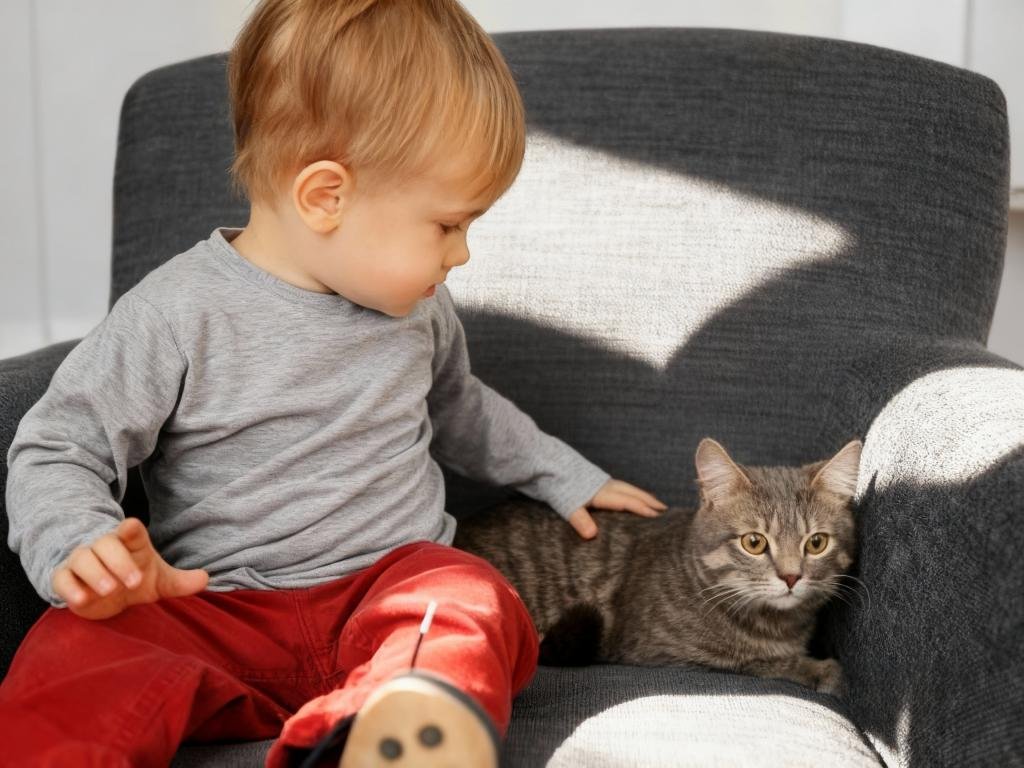
It’s easy to feel your heart melt when you see a cat curled up next to a sleeping baby, but experts generally recommend keeping their sleeping spaces separate. Although illnesses or injuries from co-sleeping are very rare, a baby’s immune system is still developing, and it’s safest to maintain a little distance at night. Serious pet-related infections from sleeping together, kissing, or licking are extremely uncommon for adults, but for newborns, extra caution is simply the best approach.
Will a Cat Hurt the Baby?
Some parents worry that a cat might scratch a baby. While the possibility isn’t zero, most accidents can be avoided with supervision and a thoughtful introduction plan. Here are some ways to help both your cat and your baby feel safe around each other.
Start with scents and sounds
Before they meet face-to-face, allow your cat to explore items that smell like the baby—blankets, bibs, pacifiers. You can also play recordings of baby sounds at a low volume and slowly increase it. Your cat may look alert or cautious at first, but over time it will learn that these new smells and sounds are not threats.
Help the cat get used to the baby’s movements
Babies move in small, quick, and sometimes unpredictable ways that can make cats nervous. Hold the baby at a safe distance and let the cat observe. Even if your cat hisses during the early stages, it often relaxes once it realizes the baby is not dangerous.
Provide hiding spots
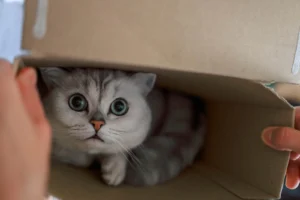
Some cats naturally prefer quiet spaces, especially when the environment changes. A covered bed, a cat tunnel, or even a cardboard box can give them the privacy they need to feel secure.
Create a separate area if needed
If your cat stays stressed despite gentle introductions, set up a quiet room or corner just for the cat. Most cats eventually adapt once they understand the baby is simply part of daily life.
Always supervise interactions
Whenever your baby and cat are together, an adult should be present. This protects both sides—preventing scratches, licks, or accidental nips, and keeping the baby from pulling a tail, grabbing fur, or falling on the cat.
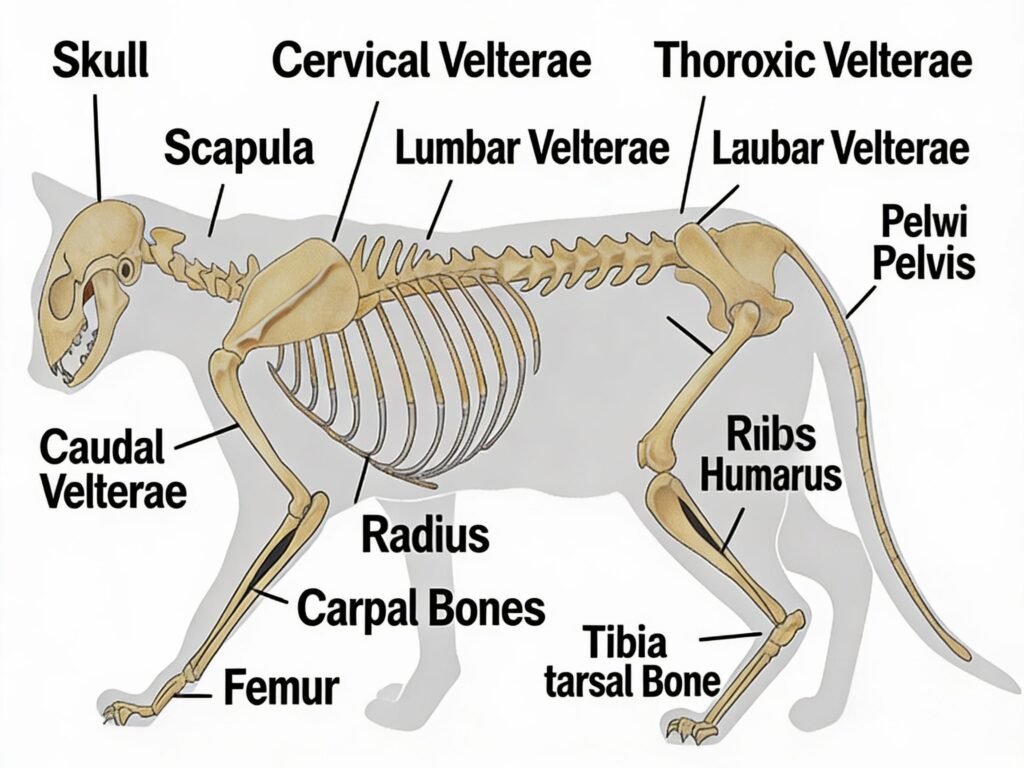
*cat’s sensitive tail and skeletal structure
Final Thoughts
Bringing a baby home doesn’t mean you need to say goodbye to your cat. With a little preparation and some patient guidance, most cats grow curious and eventually comfortable around the newest member of the family. Babies can grow up learning kindness and empathy, and cats often enjoy the extra warmth and company. With thoughtful supervision, babies and cats can live together not only safely, but happily.