

So, you’ve decided to bring a cat into your life—great choice! But before you fall in love with the first adorable kitten you meet, it’s important to understand how to choose the right one for your lifestyle. Picking a healthy and well-suited cat will make a huge difference in your future together.
In this guide, we’ll walk through what to check before adopting or buying a cat, how to tell if a kitten is healthy, and what type of cat might best fit your home.
Step 1: Pre-Adoption Checks
Before you bring a kitten home, make sure they’ve received proper health care and preventive treatments. Here are the key things to confirm:
Parasite Prevention
There are two main types of parasites:
- External parasites: fleas, ticks, and mites.
- Internal parasites: worms such as roundworms or tapeworms.
Even kittens from breeders or shelters can carry parasites. Ask if the kitten has been dewormed and treated for fleas and ticks. If you’re unsure, visit a vet right after adoption for a check-up and proper treatment.
Vaccinations
Kittens get temporary immunity from their mother, but it fades around 16 weeks of age. Without vaccines, they can easily catch serious infections.
Confirm whether your kitten has received core vaccines like FVRCP (feline viral rhinotracheitis, calicivirus, and panleukopenia). If not, schedule them as soon as possible with your veterinarian.
Step 2: Choosing the Right Type of Cat
Every cat has a different personality, energy level, and care need. Think carefully about your home and lifestyle before deciding.
Male or Female
- Male cats are often playful and outgoing but can be territorial. After neutering, they usually become calmer.
- Female cats tend to be more gentle and independent. Spaying prevents heat cycles and unwanted litters.
Long-Haired or Short-Haired

- Long-haired cats like Persians or Maine Coons have stunning coats but require regular grooming to prevent tangles and hairballs.
- Short-haired cats shed less and are easier to maintain but may need extra warmth during winter.
Indoor or Outdoor Lifestyle
- Outdoor cats can explore freely but face risks like disease, accidents, or predators.
- Indoor cats live longer and safer lives—on average, two years more than outdoor cats. However, they need enough space and stimulation to prevent boredom.
Single or Multi-Cat Household
- Single cats can develop separation anxiety if left alone too long.
- Multiple cats can keep each other company but may fight over territory. Always introduce them gradually and match personalities.
Purebred or Mixed Breed
- Purebred cats often have predictable looks and temperaments, but some breeds are prone to genetic health issues.
- Mixed-breed cats tend to be hardier and less expensive, though their traits can vary.
Large or Small Cat
- Large breeds like Maine Coons and Ragdolls are calm but need more food and space.
- Small breeds such as Singapura or Munchkin cats are energetic and playful, perfect for smaller apartments.
Step 3: Health Checkpoints for a Kitten
Even if a kitten looks cute, always do a basic health inspection. These quick checks can help you spot common issues early.
Eyes
Healthy kittens have bright, clear eyes with no redness or discharge. Cloudy or watery eyes may signal infection.
Nose
A healthy nose is slightly moist and clean—no crusts or runny discharge.
Ears
Check inside the ears. They should be clean, odor-free, and without dark wax or debris. Black spots might mean ear mites.
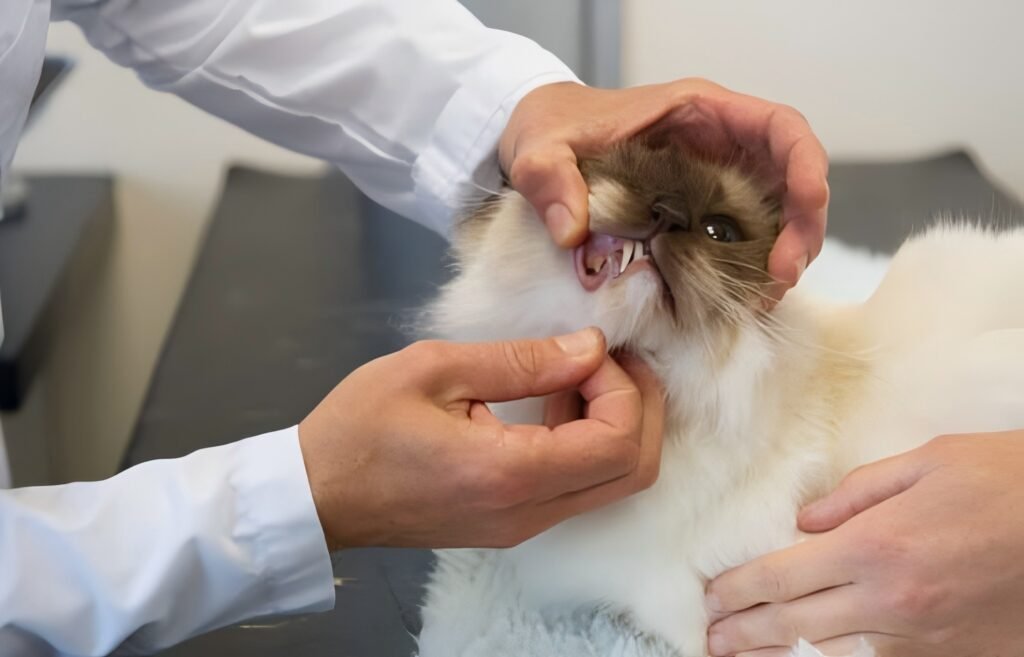
Mouth and Teeth
Gums should be pink, and breath should not smell bad. Crooked or yellow teeth could mean dental issues.
Rear End
The anus area should be clean and tight, with no signs of worms or diarrhea. The tail should move freely and with strength.
Coat and Skin
A shiny coat is a good sign of health. Avoid kittens with bald spots, dandruff, or visible fleas.
Limbs and Movement
Watch how the kitten walks and plays. Limping, stiffness, or unwillingness to move could indicate joint problems.
Step 4: Matching Your Lifestyle
When choosing a cat, looks are only part of the story. Think about your daily routine, home size, and how much time you can spend with your pet.
If you live in a small apartment and work long hours, a calm, short-haired indoor cat might be a better fit than an energetic kitten.
If you have a family with children, look for a social and patient cat that enjoys attention.
The right match ensures both you and your cat can live happily together for years to come. If you’d like to learn more about kitten care, check out our guide: “How to Take Care of Your Kitten: Tips for New Cat Owners“.
Choosing a cat is a big decision, but also a joyful one. By checking for good health, ensuring vaccinations and deworming, and picking a personality that fits your lifestyle, you’re setting the stage for a loving, stress-free relationship.
A cat that’s healthy and comfortable in your home will reward you with years of companionship, affection, and fun. So take your time, do your research, and when you finally bring your new friend home—you’ll know it was the right choice.