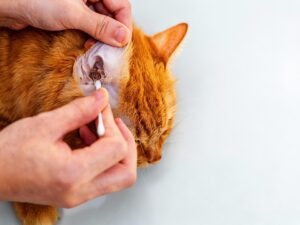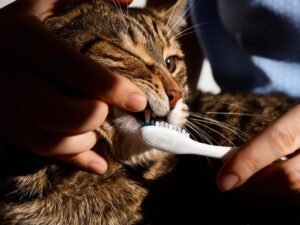

Did you know that most cats have three different layers of fur? There’s the soft undercoat that keeps them warm, a middle layer called “awn fur,” and the long “guard fur” that gives them their color and keeps them dry. With all that hair, it’s no wonder our feline friends need a little help staying tidy!
At CatCareLife, we want to make sure you have all the details. Many online guides are too brief, so we’ve put together this complete look at why brushing matters, which tools to use, and how to make grooming a bonding ritual you both enjoy.
The Benefits of Brushing Your Cat
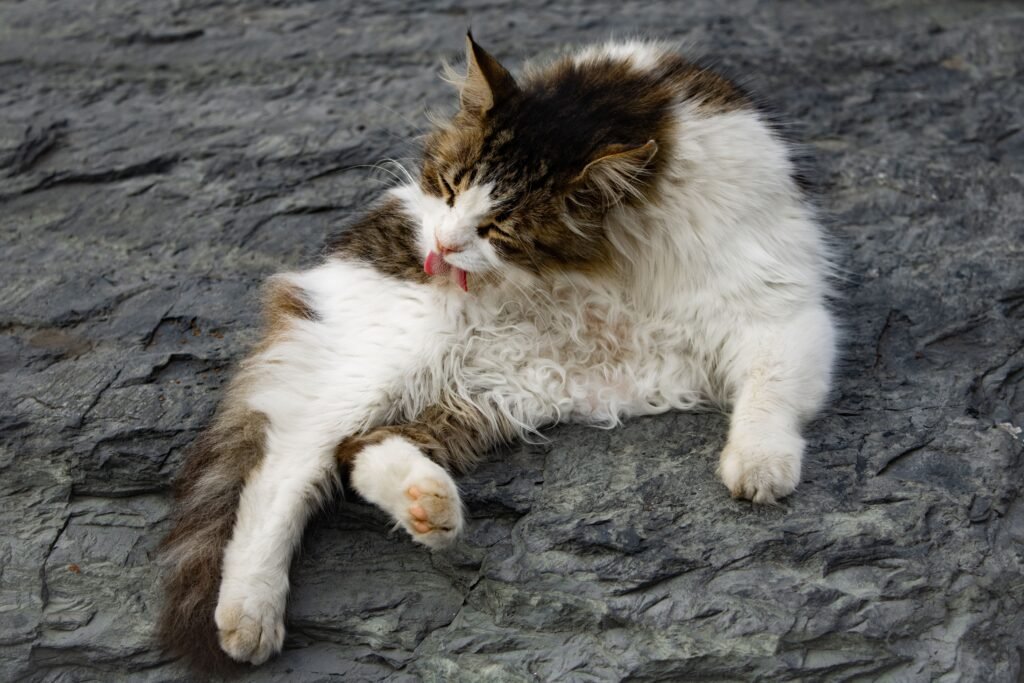
Brushing does more than keep your cat’s coat looking clean and fresh. In the wild, cats spend a huge part of their day grooming themselves. When you step in with a brush, you’re helping them with their natural instincts while keeping your home cleaner.
Reduced Shedding
Cats go through a constant cycle of growing and shedding hair. If you’ve ever looked at your cat’s favorite rug and seen more fur than fabric, you know how fast it piles up! Brushing daily catches that loose hair before it ends up on your clothes or furniture.
Preventing Hairballs
When cats lick themselves, they swallow loose fur. This can form a hairball in their stomach. While most cats cough them up, hairballs can sometimes cause serious blockages. Regular brushing removes that hair so your cat doesn’t have to swallow it. Pro Tip: Make sure your cat drinks plenty of water, as staying hydrated helps them pass any hair they do swallow!
Preventing Mats and Tangles
Long-haired cats, like Maine Coons, can develop painful mats—thick clumps of fur that get twisted into tight knots. These are uncomfortable and can even irritate the skin. Brushing keeps the fur smooth and prevents these knots from forming in the first place.
It’s a Great Health Check
Brushing gives you a chance to be a “detective.” As you brush, you can look for lumps, skin redness, or uninvited guests like fleas. Finding these issues early means you can get help from your vet sooner.
Which Kind of Brush Does My Cat Need?
The best tool for the job depends on your cat’s coat. You need a brush that can reach through those layers of fur down to the skin.
To help you compare different grooming tools, we evaluated each brush based on three factors:
- Deshedding Power – How well it removes loose and dead fur.
- Finishing Effect – How effectively it smooths and tidies your cat’s coat.
- Ease of Cleaning – How easy it is to remove fur from the brush after grooming.
| Tool | Deshedding Power | Finishing Effect | Ease of Cleaning |
| Comb | Average | Great | Easy |
| Pin Brush | Average | Great | Average |
| Bristle Brush | Low | Great | Hard |
| Rubber/Silicone Brush | High | Average | Easy |
| Deshedding/Dematting Tools | Excellent | Average | Easy |
| Slicker Brush | Average | Great | Average |
Cat Comb
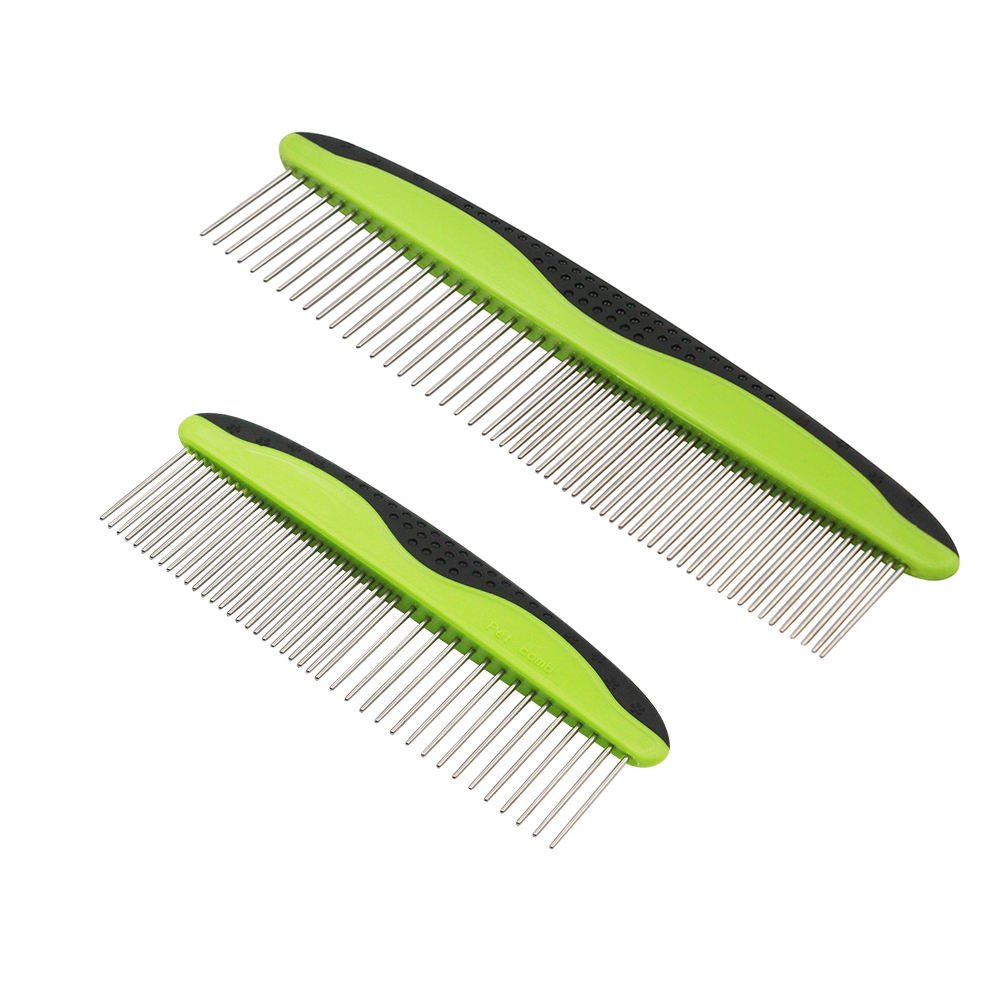
A simple metal cat comb is a must-have. Fine-toothed versions (Flea Combs) are perfect for checking for pests, while wider combs help untangle long hair and give the coat a neat finish.
Pin Brush
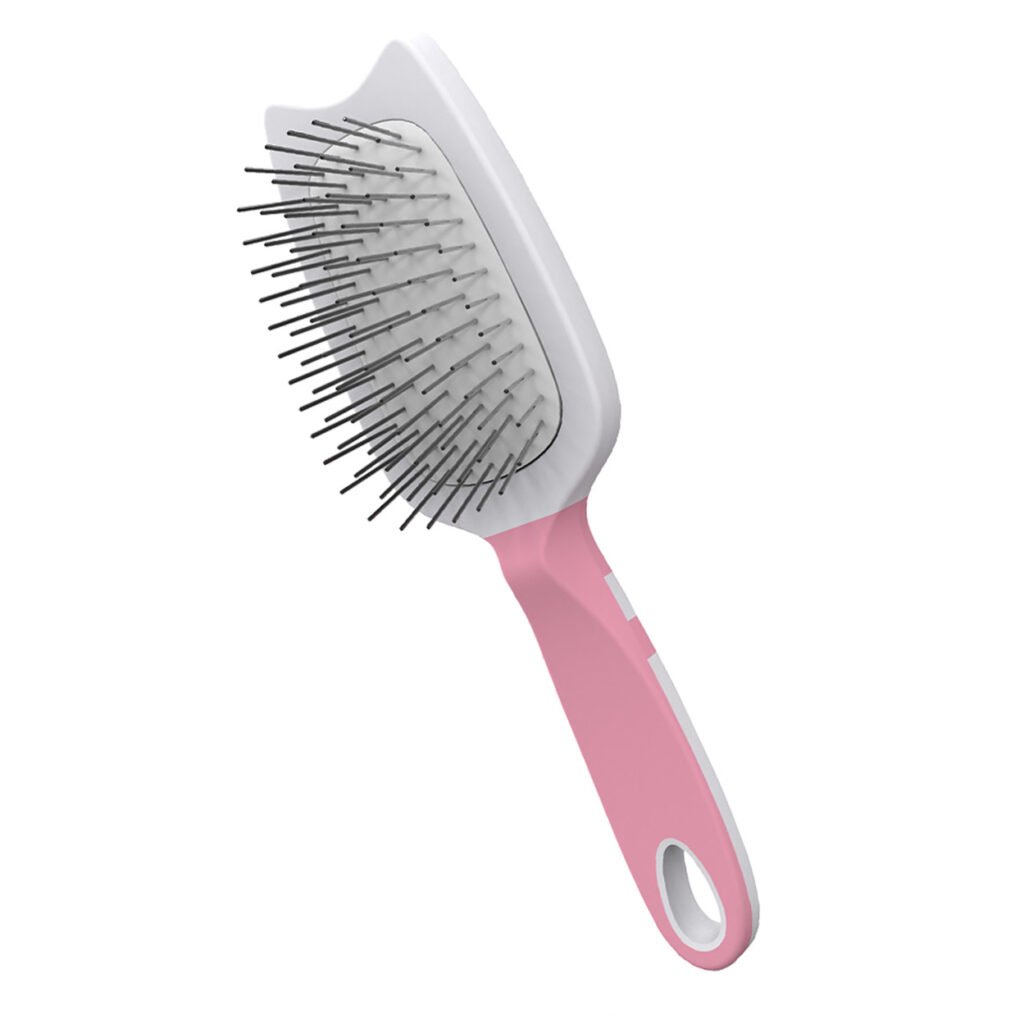
This looks like a standard human hairbrush with metal or plastic pins. It’s a great “all-purpose” brush for daily maintenance.
•Best for: Quickly brushing large areas and helps distribute your cat’s natural skin oils through their fur.
•Note: Hair can get stuck between the pins, making it a bit harder to clean than a comb.
Bristle Brush
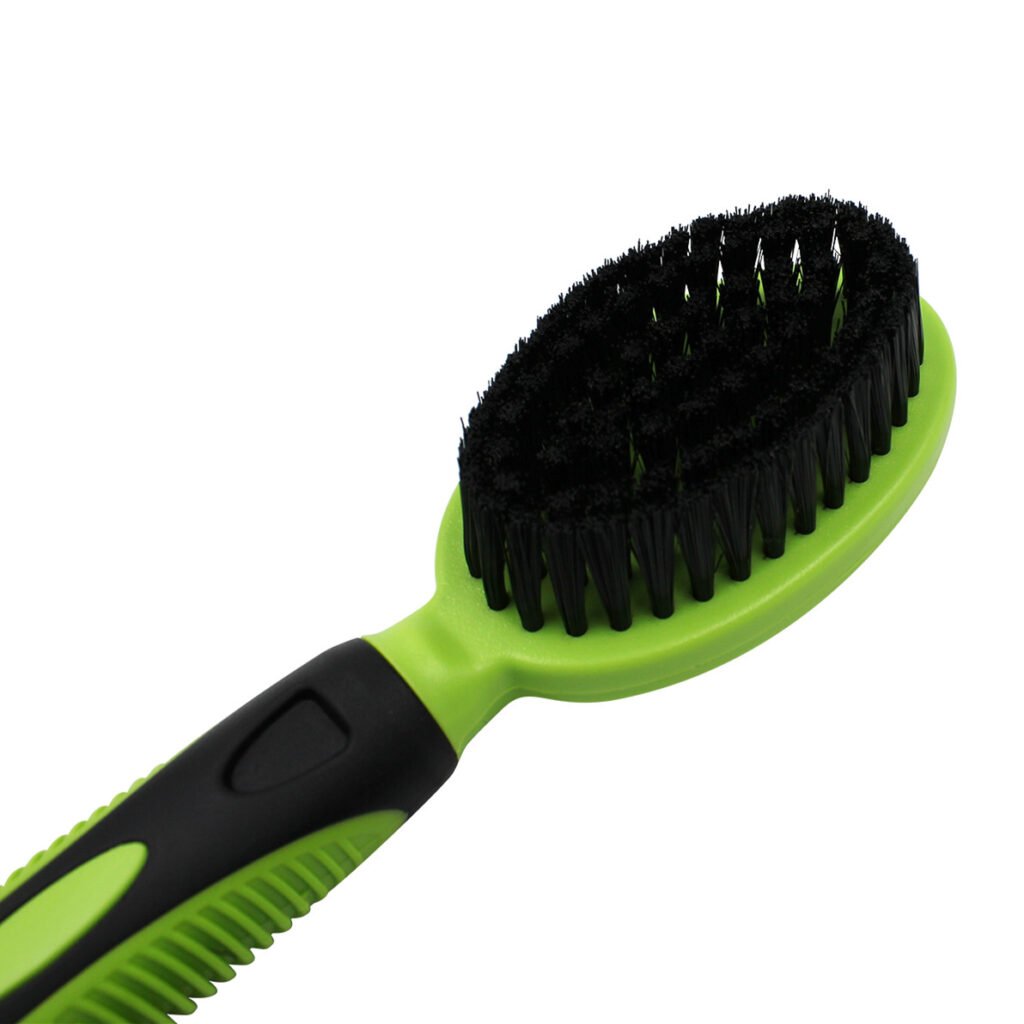
This looks like a human hairbrush and is great for daily use. It’s perfect for covering large areas quickly and spreading natural oils to make your cat’s coat shine.
Rubber Brush
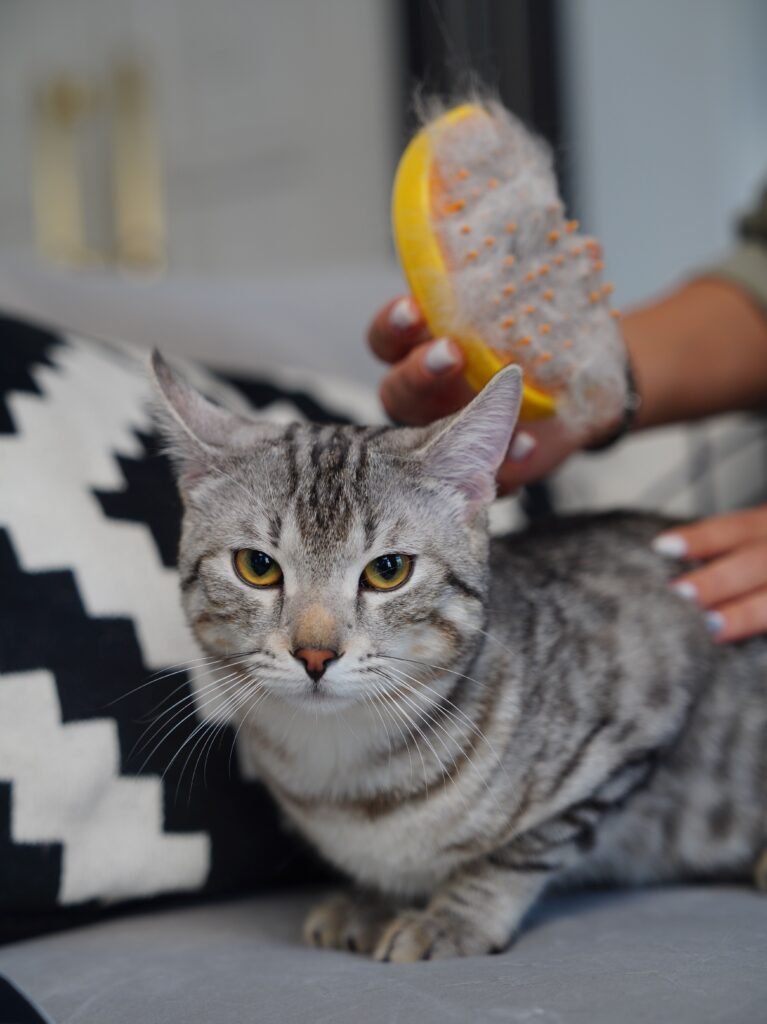
If your cat is new to brushing, a silicone or rubber brush (sometimes called a “curry brush”) is a great start. It’s very gentle and feels like a massage, which helps cats relax and enjoy the process.
Deshedding & Dematting Tools
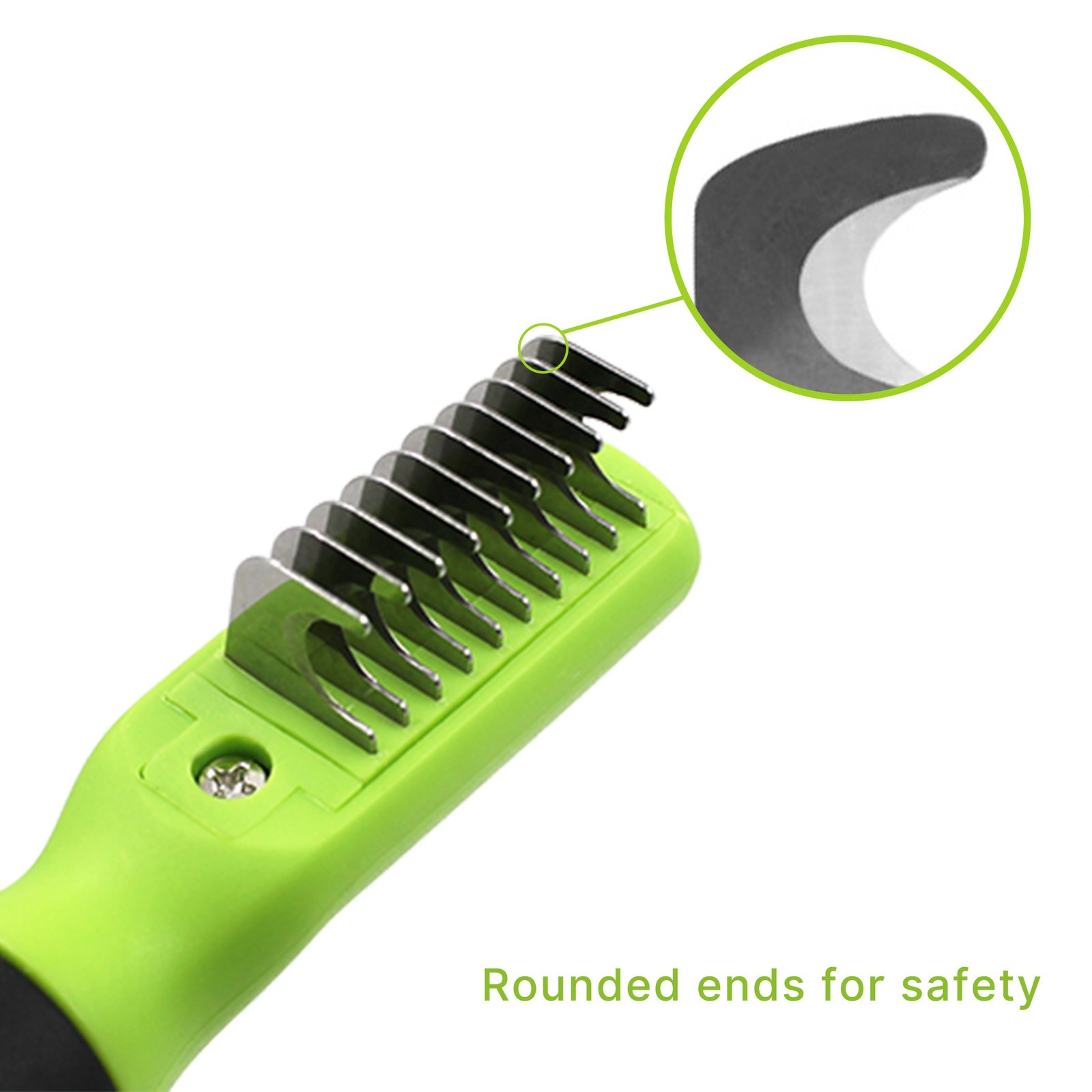
•Deshedding Tools (like the Furminator®): These are “heavy-duty” tools that reach deep into the undercoat. They are amazing for reducing shedding, but use them gently so you don’t pull on healthy hair.
•Dematting Tools: These have special blades to safely slice through stubborn knots. They are lifesavers for long-haired cats, but be very careful near the skin!
Slicker Brush
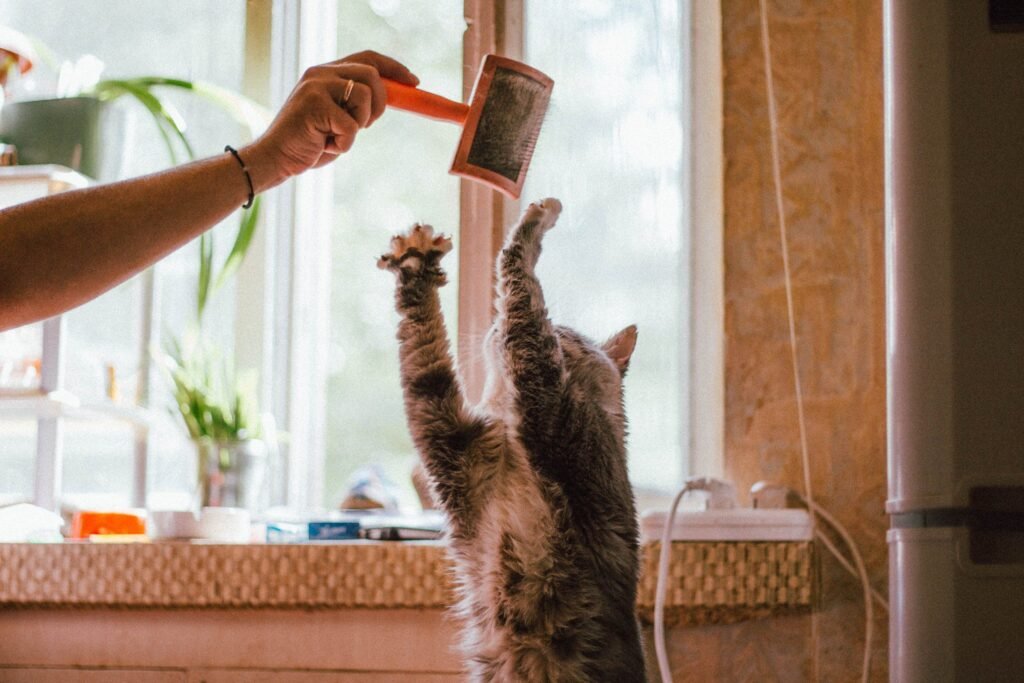
These have fine wire bristles and are great for smoothing out rough patches on long-haired cats. These are not recommended for short-haired cats, as the wire bristles can scratch their skin.
How Do I Brush My Cat Like a Pro?
Getting Started
Before you begin, grab a lint roller to catch any flying fur.
•Short-haired cats: Usually only need a pin brush or rubber brush once or twice a week.
•Long-haired cats: Need daily attention with a comb and slicker brush.
1. The Head and Neck
Start where most cats love to be petted. Use a gentle touch around the ears and chin. Always remove your cat’s collar first so you can reach every spot.
2. The Sensitive Back and Tail
Brush in the direction the hair grows. Be extra careful along the spine (the bony part of the back), as it can be sensitive. The tail is also delicate, so no tugging!
3. The Belly (Handle with Care!)
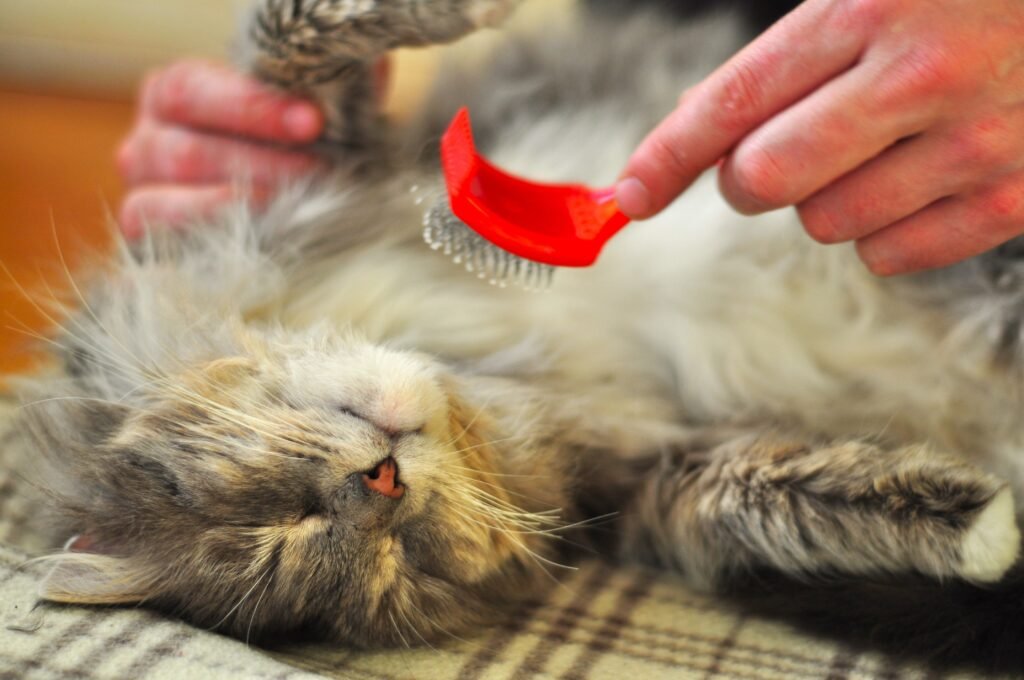
Many cats are protective of their tummies. If your cat lets you, have them lie on their back. Watch out for their nipples (both boys and girls have them!) and be gentle around the chest bone. If your cat gets upset, it’s okay to skip this part and try again later.
4. What If I Find a Knot?
Never use scissors to cut out a mat! Cat skin is very thin and easy to snip. Instead:
1.Try to pull the knot apart gently with your fingers.
2.Use a comb or dematting tool to slowly work through it.
3.If the mat is too tight or close to the skin, it’s time to visit a professional groomer.
Cat Brushing FAQs
The answer to this question mostly depends on the length of your cat’s fur.
•Short-haired cats: Once or twice a week.
•Long-haired cats: Daily brushing.
•Older cats and kittens: It’s good to brush them every day. Seniors may struggle to groom themselves, and kittens need to get used to your touch.
The golden rule is: Don’t hurt the skin. A cat’s skin is much thinner than ours. If you brush too hard, you can cause redness or irritation. Always use a light touch, especially with metal tools.
Dry air causes static shocks. To stop those annoying “zaps,” try washing your hands with water before you start. The moisture helps neutralize the static.
If you see a flea, don’t squeeze it! Female fleas can carry eggs that will just spread if you crush them. Instead, dip your comb into a bowl of hot, soapy water to drown the fleas, or use clear tape to catch them.
If your cat fights the brush, don’t force it.
•Use Treats: Use a high-value treat (like a meat tube) to reward them for staying still.
•Hand-Grooming: If they won’t let a tool touch them, try using your hands to gently “pet” away loose fur.
•Professional Help: If your cat simply will not tolerate brushing, you may need to bring them to a professional groomer.
Yes! Over-brushing the same spot every day can lead to bald patches or skin irritation. Keep your sessions to about 3 minutes at a time to keep it fun and stress-free.