

From Symptoms and Causes to Solutions and Prevention
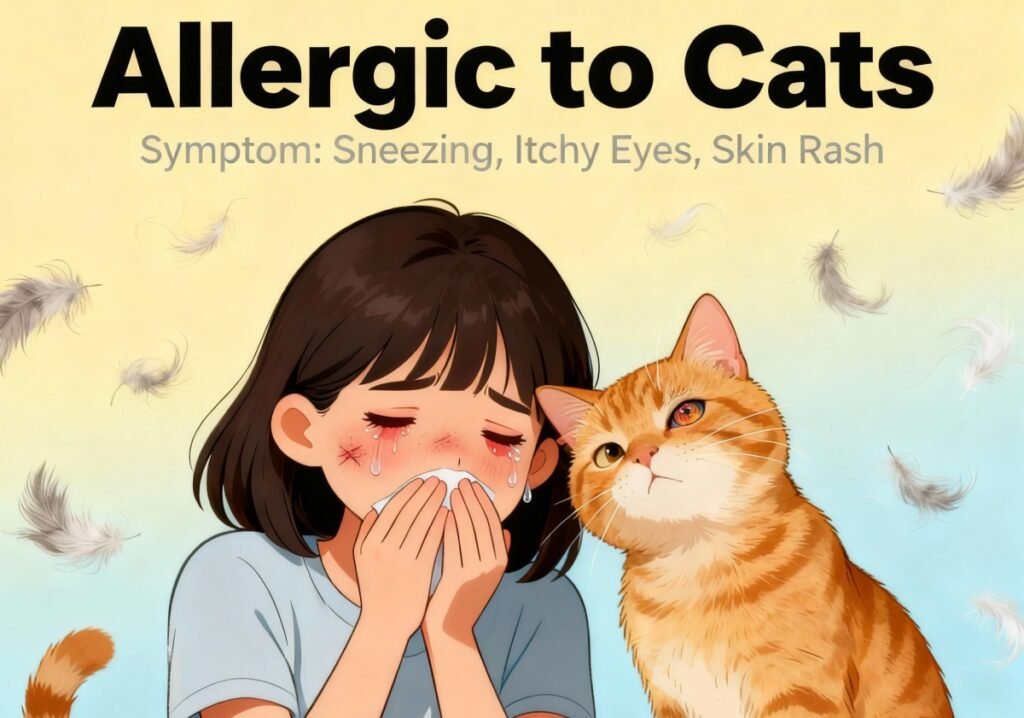
Cat allergies are allergic reactions caused by contact with cats. They bring on symptoms very similar to a cold, such as sneezing, a runny nose, and coughing. Allergic reactions don’t usually go away naturally just because your body gets used to them. So if you’re planning to welcome a cat into your home and live with it for nearly 10 years, it’s important to make sure ahead of time that neither you nor your family members are allergic to cats.
1. Symptoms of Cat Allergies
“Cat allergy” refers to a condition where allergens produced by cats trigger an allergic reaction in humans. This is not the same as atopic dermatitis, food allergies, or contact allergies that the cat itself might have.
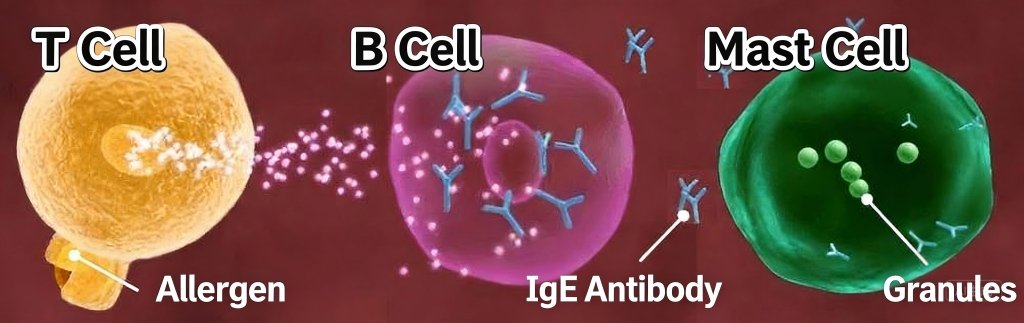
An allergy happens when the immune system—including white blood cells—overreacts to foreign substances that enter the body, causing discomfort to the person it’s supposed to protect. The substances that cause these reactions are called allergens (or antigens).
So what symptoms do cat allergies cause? They occur when a person reacts to allergens released by cats.
Mild Symptoms of Cat Allergies
Mild symptoms of cat allergies can feel like having a cold or a mild fever. Depending on where symptoms appear, they may be called:
- Allergic rhinitis (if in the nose)
- Allergic asthma (if in the airways)
- Allergic dermatitis or atopic dermatitis (if on the skin)
Common mild symptoms include:
- Coughing
- Wheezing (breathing that sounds like whistling)
- Itchy, red eyes
- Runny or stuffy nose
- Sneezing
- Redness of the skin
If these symptoms appear right after contact with a cat, it’s likely what’s called an immediate allergic reaction (Type I allergy). This happens when immune cells recognize the allergen and release chemicals like histamine. Histamine can cause blood pressure to drop, muscles to tighten, and blood vessels to become more open—leading to allergy symptoms.
Severe Symptoms of Cat Allergies
If mild symptoms get worse, they can turn into serious reactions—especially in people who already have conditions like asthma. Severe symptoms may include:
- Diarrhea
- Trouble swallowing
- Difficulty breathing
- Dizziness
- Nausea and vomiting
- Fast heartbeat
Not everyone reacts the same way. Some people develop allergies as children, some as adults, and some never do. You might even suddenly become allergic to something that never bothered you before—just like with hay fever.
2. Testing for Cat Allergies
There are a few ways to find out if you’re allergic: blood tests, skin tests, and exposure tests.
Every year, tens of thousands of cats are put down because their owners can no longer keep them. One common reason is that someone in the family developed allergies. That’s why it’s so important to check for allergies before bringing a cat home.
Let’s look at the different testing methods:
Blood Test for Allergies
A small amount of blood is taken and checked for certain antibodies (IgE) that fight allergens. The more of these antibodies you have, the more likely you are to be allergic.
Pros:
- Only a small amount of blood is needed
- Doesn’t require stopping allergy medicines beforehand
Cons:
- Takes a few days to get results
- Can be expensive
- Not always covered by insurance
Skin Test for Allergies
In this test, a doctor places tiny amounts of allergens on or under your skin to see if you react.
Pros:
- Results come quickly—within minutes
- Usually cheaper than blood tests
- Often covered by insurance
Cons:
- You may need to stop taking allergy medicines first
- Not recommended if you have bad eczema or skin injuries
- Small risk of a strong allergic reaction
There are two main types of skin tests:
- Prick test: A small scratch is made on the skin, and allergen solution is applied.
- Intradermal test: A tiny amount of allergen is injected under the skin. This is more sensitive but also riskier.
Exposure Test
This means spending time with a cat before you decide to adopt one. Since not all allergens are tested in labs, and tests aren’t 100% accurate, it’s a good idea to interact with cats several times over a few months.
You can visit cat cafés or friends who have cats. Spend time in their homes—allergens can be in the air or on furniture. If you don’t react in that environment, you’re probably not allergic.
⚠️ If you’ve had allergic reactions before, be careful. Keep the number and address of the nearest emergency hospital handy.
3. Causes of Cat Allergies
Allergies happen when your immune system works too hard to get rid of something it sees as harmful—even if it’s not. These triggers are called allergens.
Why do some people react to cats and others don’t? It often comes down to individual body chemistry.
Where Do Cat Allergens Come From?
Cats produce at least 8 known allergens. These particles are very small—about one-tenth the size of pollen or dust—so they spread easily. In fact, cat allergens are found even in homes without cats and places like Antarctica!
Here are the most common ones:
- Fel d 1: Comes from cats’ skin and saliva. About 90% of people with cat allergies react to this.
- Fel d 4: Found mainly in cat saliva. Many people who react to this are also allergic to dogs, horses, or other animals.
These allergens stick to cat fur, skin flakes (dander), and saliva. When cats groom themselves, they spread allergens around.
4. Preventing and Managing Cat Allergies
Cat allergens are tiny and can stay in the air or on surfaces for months. But there are ways to reduce them.
Tips for a Low-Allergen Home:
- Use a HEPA filter in your vacuum and air purifier. These filters catch very small particles.
- Wash bedding, curtains, and soft toys regularly—they trap allergens.
- Avoid wool clothing—it holds onto allergens.
- Choose hard floors instead of carpet. If you have rugs, vacuum often.
- Wash your hands after petting a cat.
- Keep certain areas cat-free, like bedrooms.
- Bathe your cat 1–2 times a week to reduce allergens on fur. (Note: Most cats don’t like baths!)
- Brush your cat often to remove loose fur before it spreads.
- Neuter male cats—they produce more allergens than females.
Reducing Shedding:
- Brush your cat regularly with a deshedding tool.
- Use a lint roller or pet hair remover on furniture and clothes.
- Wear clothes that don’t show cat hair as much.
Remember:
If you really want to live with a cat but have allergies, you’ll need to work hard to keep your home—and your cat—as free from allergens as possible. But be kind to your cat too: don’t do things that cause it stress, like too-frequent baths or shaving its fur.
With careful planning and consistent habits, many people with allergies can still enjoy the love and company of a cat!