

Now cats are living longer thanks to better care and nutrition — which is awesome! But it also means owning a cat comes with some ongoing costs. Besides the one-time expenses when you first bring your kitty home, most cat owners spend around $1,000 to $4,500 a year on food, litter, vet visits, and more.
That said, the money is usually well worth it, since owning a cat has plenty of health benefits. Cats can help lower stress, boost your mood, and even keep your heart healthier. If you’re thinking about getting a cat or just want a better idea of what it costs, here’s a simple rundown to help you plan.

One-Time Costs When You First Get a Cat
Bringing a cat home isn’t just about picking the cutest one and cuddling up. You’ll also need to plan for some basic costs up front. Depending on where you live and what supplies you choose, the first-year cost can be anywhere from $600 to over $3,000.
Adoption or Purchase Fees
The cost of getting a cat can vary a lot. If a friend gives you a kitten or you rescue one, it might be free. But if you go through a breeder, it could cost $150 to $1,000 or more. Most people pay somewhere between $0 and $175 to adopt a cat from a shelter.
Vet Visit and Vaccinations
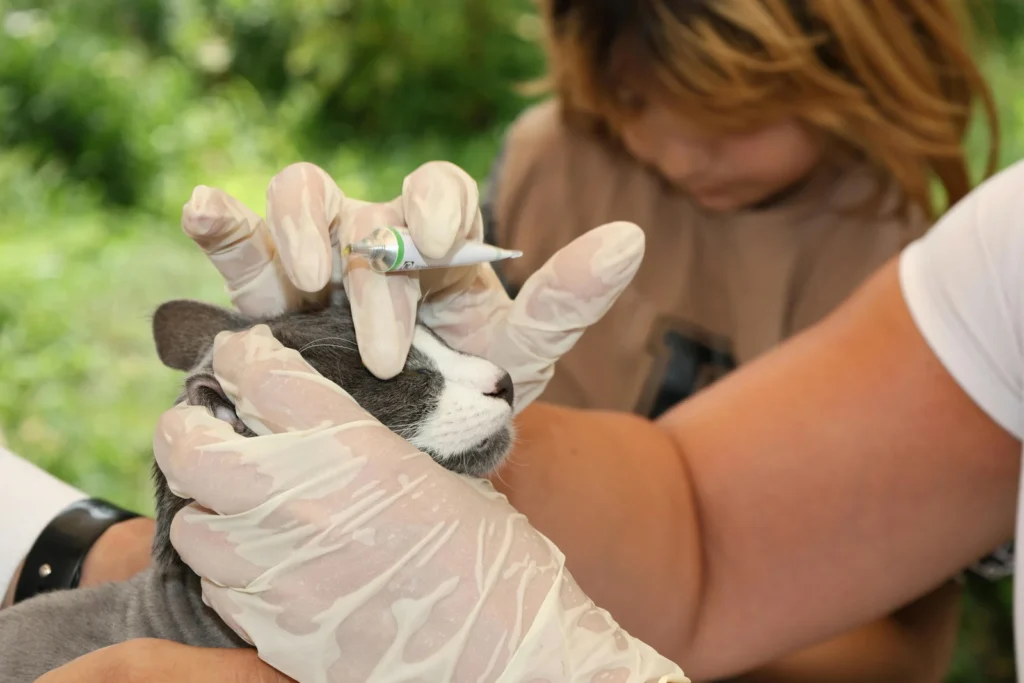
Before your cat settles in at home, a trip to the vet is usually a good idea. You’ll want a basic check-up and core vaccinations, which usually cost about $100 to $200.
A typical health check-up may include:
- Weighing your cat (to help determine food amounts)
- Taking temperature
- Stool and urine tests
- Blood work
- Possibly X-rays
Basic Supplies for Your Cat
To welcome your new cat home, you’ll need a few items. Prices can vary, but here’s a general idea:
- Cat bed: $20–$170
- Litter box and litter: $20–$500
- Food and treats: $30–$190
- Grooming brush: $10–$100
- Cat tree: $20–$500
- Toys: $10–$50
Many new cat owners start with just the basics—like food dishes, a litter box, and a cozy bed—and buy more items later as needed.
Ongoing Costs Each Year
Once your cat is settled into your home, you’ll have yearly expenses to keep them happy and healthy. These costs usually range from $1,000 to $4,500 per year.
Food and Treats
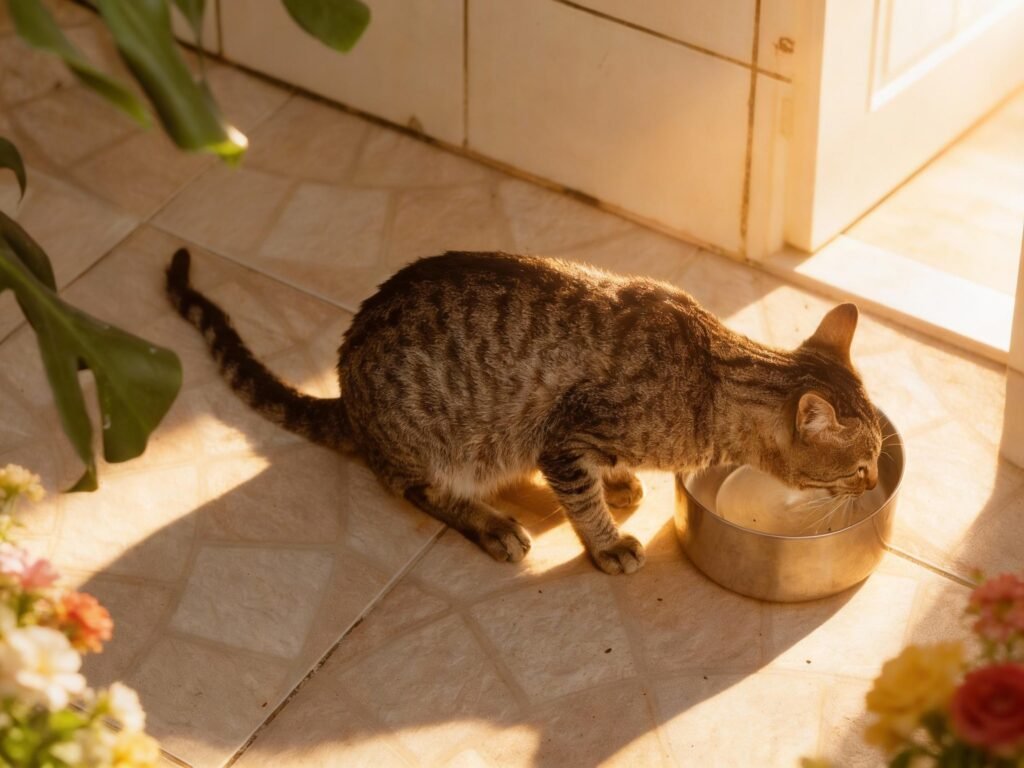
If your cat eats mainly dry food, you might spend as little as $20 a month. But if you choose wet food or prescription diets, your costs could go up to $60–$100 per month. That works out to about $240 to $1,200 a year.
Cat treats can also add up. Simple treats might cost around $20 a month, but if you buy high-end snacks or health supplements, expect to spend more.
*avoid feeding toxic human foods
Cat Litter
Litter is another regular purchase. Depending on the material—paper, clay, tofu-based, or charcoal—you can expect to spend $100 to $500 a year.
Other Supplies
Some optional items make life easier for both you and your cat. These include:
- Food containers
- Feeding tools
- Cat grass
- Pet-safe shampoo
- Wet wipes
- Air purifiers
Vaccinations
Most cats need two or three rounds of core vaccines in their first year. After that, booster shots are usually given once a year, although some vets now recommend every three years depending on the vaccine.
Vaccines protect against things like feline calicivirus and feline herpesvirus, but effectiveness can vary. Your local vet can help you decide what’s right for your cat.
Flea and Tick Prevention
Fleas and ticks can live on your cat and even spread into your home. Besides being itchy and annoying, they can cause allergies and health issues for both pets and people. To protect your cat—and your household—it’s best to use flea and tick prevention year-round.
Options include:
- Flea collars
- Topical treatments (usually applied to the back of the neck once a month)
- Oral medication
- Home sprays or powders
Some products also help prevent other parasites like tapeworms, roundworms, and heartworms.
*parasite risks like toxoplasmosis
The Most Important Thing: Love and Care
At the end of the day, the money you spend on your cat is only part of the story. The most valuable thing you can give your cat is your time, love, and attention. A happy, well-loved cat is worth every penny.
Your Preparation Doesn’t End with the Budget
Now that you have a clear understanding of the financial commitment, remember that budgeting is just one essential step. To ensure a seamless transition for you and your future pet, I highly recommend returning to our [How to Prepare for a Kitten].
From that topic page, you can dive into the other critical pre-adoption steps, such as cat-proofing your home, evaluating important lifestyle considerations, and even testing for potential allergies. Being fully prepared is the best gift you can give your new companion.