

Cats are animals with a strong need for security and control over their environment. When a cat enters a new home, its first instinct is not to explore—it is to assess. Your new cat is quietly figuring out where it can hide, where it feels safest, where food and water are located, and which areas are calm enough for rest. Before feeling comfortable, most cats need to establish a “base camp”—a safe, enclosed spot they can retreat to—before gradually expanding their territory and marking it with their scent.
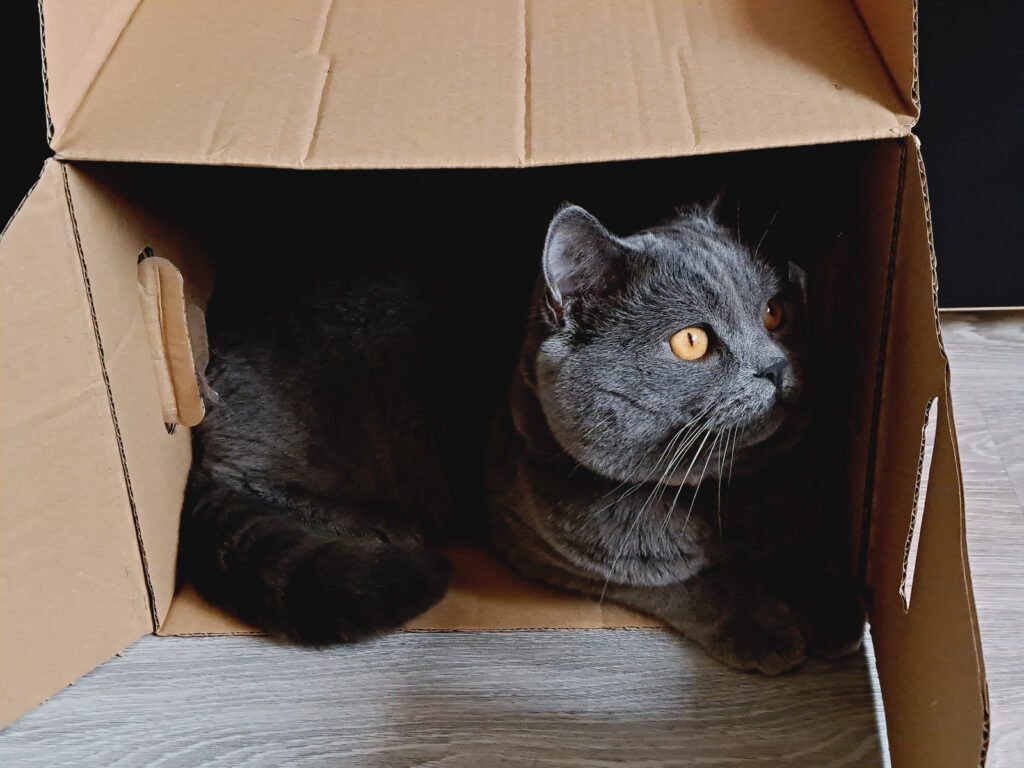
This slow and cautious process is completely normal. Your cat is not being unfriendly or stubborn; it is simply trying to regain a sense of control in an unfamiliar space. If your home already has resident pets, especially other cats, additional steps are needed to manage introductions properly. In that case, refer to multi-cat household adjustment guidelines before allowing direct contact.
Reducing Fear and Anxiety in a New Cat
It’s important to understand that fear is a natural reaction for a cat entering a new environment. Even people feel anxious in unfamiliar places—cats are no different. One of the most effective ways to reduce a new cat’s stress is surprisingly simple: give it space.
Avoid excessive attention, staring, or trying to interact too soon. To a newly arrived cat, too much focus can feel overwhelming. Think of your cat as a socially anxious guest—constant attention only increases tension.
Instead, make sure the essentials are ready: familiar food (the same brand it ate before), fresh water, and a clean litter box. Once these basics are in place, go about your daily routine and allow your cat to observe you from a distance. As long as your cat is eating, drinking, and using the litter box—even in small amounts—there is usually no cause for immediate concern. Most cats will begin to relax on their own when they realize the environment is safe and predictable.
How Long Does It Take for a Cat to Adjust?
Most cats begin to adapt to a new home within about one week. Confident or outgoing cats may settle in within three days, while shy or sensitive cats may need more time. The most critical period is the first three days after arrival. During this time, minimal interaction is best—allow the cat to decompress without pressure.
If there is no noticeable progress after one week, or if the cat refuses to eat or drink entirely, consulting a veterinarian or a certified feline behaviorist is recommended.
Typical Adjustment Timeline
| Timeframe | Typical Cat Behavior | What Owners Should Do |
|---|---|---|
| Days 1–3 | Hiding, eating very little | Give space, provide food, water, litter |
| Days 4–7 | Night activity, small meals | Gentle voice, occasional treats |
| Days 8–14 | Approaching people, using litter box | Gradually increase interaction |
| After 2 weeks | Relaxed posture, purring | Normal interaction, light training |
What If My New Cat Won’t Eat or Drink?
A reduced appetite during the first 24–48 hours is common and usually stress-related. However, complete refusal to eat or drink for more than 48 hours is not normal and should be addressed by a veterinarian, especially for kittens or senior cats.
Ensure food is placed in a quiet area away from foot traffic, and continue offering familiar food rather than introducing new brands immediately.
Why Is My New Cat Meowing Constantly?
Vocalizing after moving to a new home is a common stress response in cats. Some cats may meow for a couple of days, while others can take a week or longer to settle in. As long as your cat’s basic needs are met—food, water, a clean litter box, and a safe place to hide—this behavior usually improves with time as your cat begins to feel secure.
Nighttime meowing can be especially challenging for new owners. As hard as it may be, try not to respond right away. If a cat learns that meowing leads to attention, the behavior can continue. When you stay consistent during the first few nights, most cats gradually reduce vocalizing once they realize it does not result in interaction.
Things You Should NOT Do When Bringing a New Cat Home
1. Don’t Play or Handle the Cat Immediately
Many owners are excited to cuddle and play with their new cat right away. However, early interaction can increase fear rather than reduce it. During the adjustment period, your role is to provide safety—not stimulation. Let your cat decide when it is ready to interact.
2. Don’t Change Food Right Away
A sudden change in diet can cause loss of appetite, digestive upset, or diarrhea. Keep your cat on its previous food initially. If you plan to switch brands, do so gradually by mixing small amounts of the new food with the old over several days. Avoid treats during the first few days to minimize digestive stress.
3. Don’t Overexpose the Space
Large, unfamiliar environments can be overwhelming. Limiting your cat to a smaller, quiet room at first can help it feel secure more quickly. Also, try to stay calm yourself—cats are sensitive to human emotions, and excessive worry can unintentionally increase their stress.
4. Don’t Allow Immediate Contact With Resident Pets
Cats rely heavily on scent. If you already have pets, especially other cats, do not allow face-to-face contact right away. Start with separation and scent exchange using bedding or toys. This gradual introduction helps reduce territorial stress and increases the chances of peaceful coexistence.
5. Don’t Bathe Your Cat Immediately
Bathing a cat upon arrival is not only unnecessary but potentially harmful. Newly arrived cats are already stressed and more vulnerable to illness. Most cats keep themselves clean through grooming and do not require bathing unless medically necessary.
6. Additional Tips to Support Adjustment
Provide a variety of toys to encourage confidence and exploration. Keep noise levels low, avoid sudden movements, and reduce environmental stressors. Lower TV volume, avoid camera flashes, and maintain a calm atmosphere. If your cat experiences loose stools, consult your veterinarian about appropriate probiotics or dietary adjustments.
What If My New Cat Shows Signs of Severe Stress?

If your cat appears extremely stressed—refusing to eat, hiding constantly, or showing signs of panic—focus on emotional support:
- Give your cat time and provide a secure hiding place, such as a cardboard box or covered bed
- Offer familiar items like previous toys or food
- Consider veterinarian-recommended calming aids, such as pheromone diffusers
If symptoms persist or worsen, seek professional veterinary care promptly.
Final Note:
Every cat adjusts at its own pace. Patience, consistency, and a calm environment are the most effective tools you have. With time and gentle care, your new cat will begin to see your home as its own.
Now that you have a clear roadmap for helping your cat adjust, you’re well on your way to a happy life together. However, settling in is just the beginning of your journey. To discover more essential skills—from keeping your feline safe to navigating life with a new baby—head back to our [Essential Tips for New Cat Owners] resource center. We’ve gathered all the “must-know” info to help you and your cat thrive together!