
There are generally two ways people keep cats. One is keeping a cat completely indoors. The other is allowing a cat to roam freely outdoors, either part-time or full-time. Our position is clear: we strongly recommend keeping cats indoors. Below, we explain why indoor cats tend to live much longer and face fewer dangers, and we also outline the risks that come with outdoor living. If you feel that a fully indoor lifestyle is difficult to accept, a mostly indoor life with very limited, controlled outdoor exposure may be a compromise—but free roaming is not recommended.
A Clear Difference in Lifespan
According to researchers at the University of California, Davis School of Veterinary Medicine, indoor cats typically live 15–17 years, while outdoor cats have an average life expectancy of only 2–5 years.
This dramatic difference is largely caused by the risks cats face once they go outside. Whether you are considering getting a cat or already have one, it is important to understand that allowing a cat outdoors significantly shortens its lifespan. To make an informed decision, let’s take a closer look at the benefits of indoor living and the dangers of free roaming.
Benefits of Keeping Cats Fully Indoors
A fully indoor cat lives entirely inside the home and does not go outside on its own. In contrast, free-roaming cats are allowed to come and go freely, similar to how cats are sometimes portrayed in cartoons. While this may look appealing, in modern urban and suburban environments, indoor living is far safer and healthier for cats.
Below are the main reasons indoor living works well for cats and why it is often the best choice.
Cats Are Naturally Comfortable Being Alone
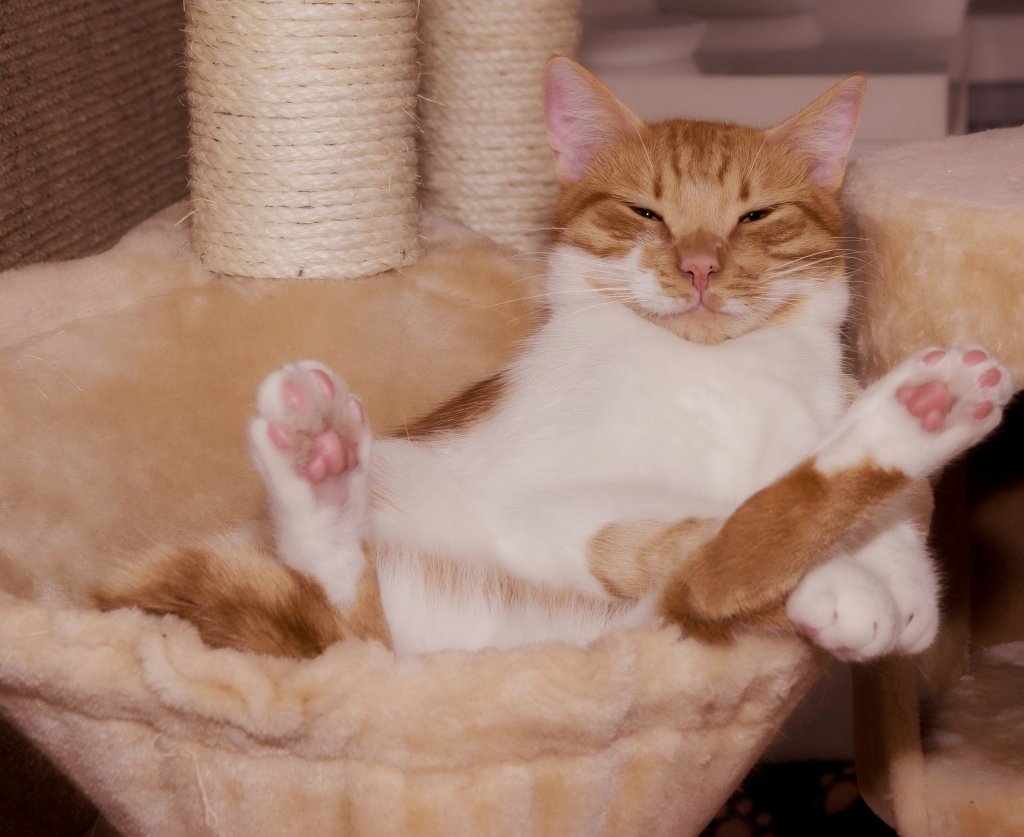
Cats are ambush predators by nature. They are designed to wait quietly for long periods while observing their surroundings. Because of this instinct, most cats do not feel stressed or bored when left alone at home during the day, as long as their basic needs—food, water, shelter, and enrichment—are met.
Cats Do Not Fear Solitude
Unlike dogs, cats are highly independent animals. They do not rely on constant companionship and generally do not become anxious simply because they are alone. A healthy, well-adjusted indoor cat is unlikely to cry at night out of loneliness.
Cats Are Most Active in the Evening and at Night
Cats are not truly nocturnal; they are crepuscular, meaning they are most active at dawn and dusk. This natural rhythm often matches well with human schedules, as cats tend to become more playful when their owners return home in the evening.
Cats Are Relatively Quiet Animals
Cats are not pack animals and do not rely on loud vocal communication. Outside of specific situations—such as mating behavior in unneutered cats—most cats are quiet. When cats are spayed or neutered, excessive vocalization is even less common, making them suitable pets for apartments and shared living spaces.
Cats Adapt Well to Small Indoor Spaces
Cats are territorial animals, but a territory does not need to be large to feel safe. As long as an indoor environment is secure, predictable, and provides food, vertical space, and stimulation, cats can live comfortably and confidently—even in smaller homes.
Why Free-Roaming (Outdoor) Cats Face Serious Risks
While indoor living offers many advantages, free roaming comes with serious risks, especially in cities and densely populated areas.
Traffic Accidents
Cats are not good at moving backward, and when startled, they may freeze instead of running away. These traits make them especially vulnerable to traffic. Sadly, road accidents are one of the most common causes of death in outdoor cats.
Danger from Car Engines
Cats are drawn to warm, dark places and may crawl under cars or into engine compartments, especially during colder months. If a driver does not notice the cat before starting the vehicle, the result can be fatal.
Getting Lost
Although cats have a natural homing instinct, it is not foolproof. Outdoor cats may become disoriented, taken to animal shelters, or harmed before they can return home.
Fighting with Other Cats
Territorial disputes are common among free-roaming cats. These fights can cause serious injuries, including deep bite wounds that often become infected.
Increased Risk of Disease
Fighting, mating, and close contact with other animals increase the risk of infectious diseases. Viruses such as FIV and FeLV are far more common in outdoor cats.
Uncontrolled Breeding
Allowing unspayed or unneutered cats outdoors contributes to unwanted litters and the growing stray cat population. Whether kittens are born outside or brought home unexpectedly, the result is often more homeless cats in need of care.
Harm from Humans
While most people care about animals, some intentionally harm them. Outdoor cats may be poisoned, injured, trapped, or abused. Unfortunately, these risks are real and well documented.
Should Cats Be Taken for Walks?
Some owners worry that keeping a cat indoors is “unfair” and consider taking their cat outside on a leash. While this may seem like a balanced solution, the drawbacks often outweigh the benefits.
What Happens When Cats Go Outside on a Leash?
When a cat is taken outdoors, it may begin to believe that the outside world is part of its territory. As a result, the cat may constantly demand to go out, crying at doors or becoming stressed when denied access. This can lead to long-term frustration for both the cat and the owner.
Not Everything That Looks Good Online Is Good for Cats
Social media has popularized many trends that prioritize appearance over animal welfare. Leash-walking cats is sometimes one of them. In 2017, the RSPCA warned against assuming cats enjoy activities designed for dogs, reminding owners that cats are not small dogs and do not naturally enjoy walks.
A Safer Alternative: Catios
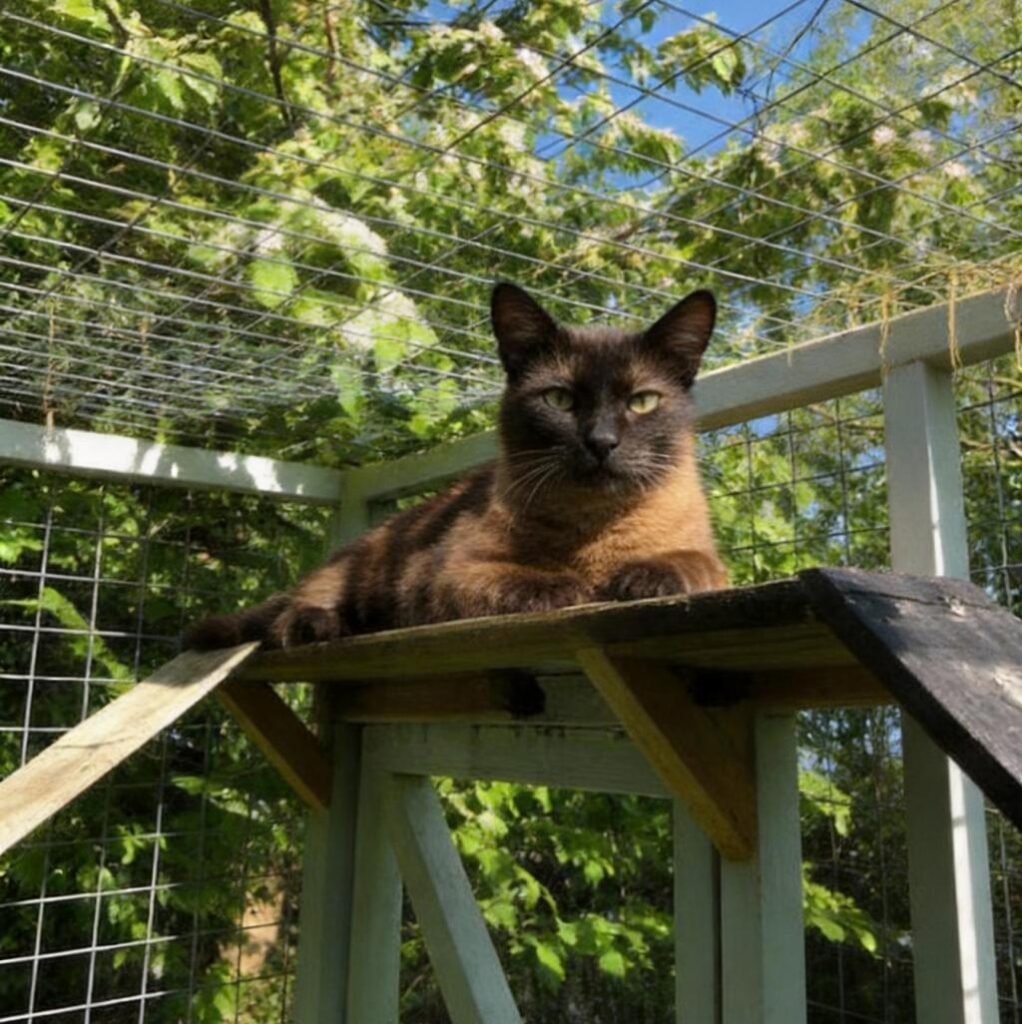
A catio—a secure outdoor enclosure attached to a home—allows cats to experience fresh air and stimulation without the dangers of free roaming. While not suitable for every household, it is a safer option worth considering.
“First Caturday” and Group Cat Walks
Events like “First Caturday,” which began in California around 2015, encourage group cat outings. While owners often believe their cats are enjoying the experience, it is difficult to know how cats truly feel in such unfamiliar and stimulating environments.
Is a Cat Staring Out the Window Bored?
When a cat watches the outdoors from a window, it is usually observing and guarding its territory—not longing to go outside. A cat’s territory naturally adjusts based on food availability. If food is always provided indoors, the home becomes the cat’s territory.
Territory and Enrichment
If a cat’s life feels repetitive, adding enrichment—such as toys, climbing structures, and interactive play—is far more effective than outdoor exposure. These activities satisfy a cat’s hunting instincts in a safe way.
Final Thoughts
Keeping a cat indoors requires more effort in terms of environmental enrichment and daily interaction. However, it greatly increases lifespan, reduces disease risk, and prevents accidents. For these reasons, our recommendation is clear: indoor living is the safest and healthiest choice for cats, helping them live longer, happier lives alongside their human families.
Choosing an indoor lifestyle is the first step in protecting your cat’s longevity. But a safe home doesn’t have to be a boring one! To learn more about transforming your space into a feline paradise and mastering other parenting skills, return to our [Essential Tips for New Cat Owners].