
This guide provides a clear, illustrated list of foods that should never be fed to cats.
To make it easy to follow, we’ve marked the most dangerous items as “Danger!”—these could potentially be life-threatening. Foods that are likely to cause discomfort or mild illness are marked as “Caution!”.
Pay close attention and stay vigilant: even a momentary lapse could put your cat’s health at serious risk.
Foods That Are Dangerous for Cats – High-Risk Category
The following is a list of foods that are toxic to cats and can even be life-threatening. As a pet owner, you must not only avoid feeding these foods to your cat but also store them securely to prevent accidental ingestion.
Chocolate – Danger!
Chocolate contains a compound called theobromine, which interferes with an enzyme called phosphodiesterase, affecting the heart and nervous system. Symptoms of chocolate toxicity in cats include elevated blood pressure, rapid heartbeat, irregular heartbeat, hyperactivity, trembling, seizures, and even coma. In severe cases, ingestion can be fatal within 6 to 24 hours.
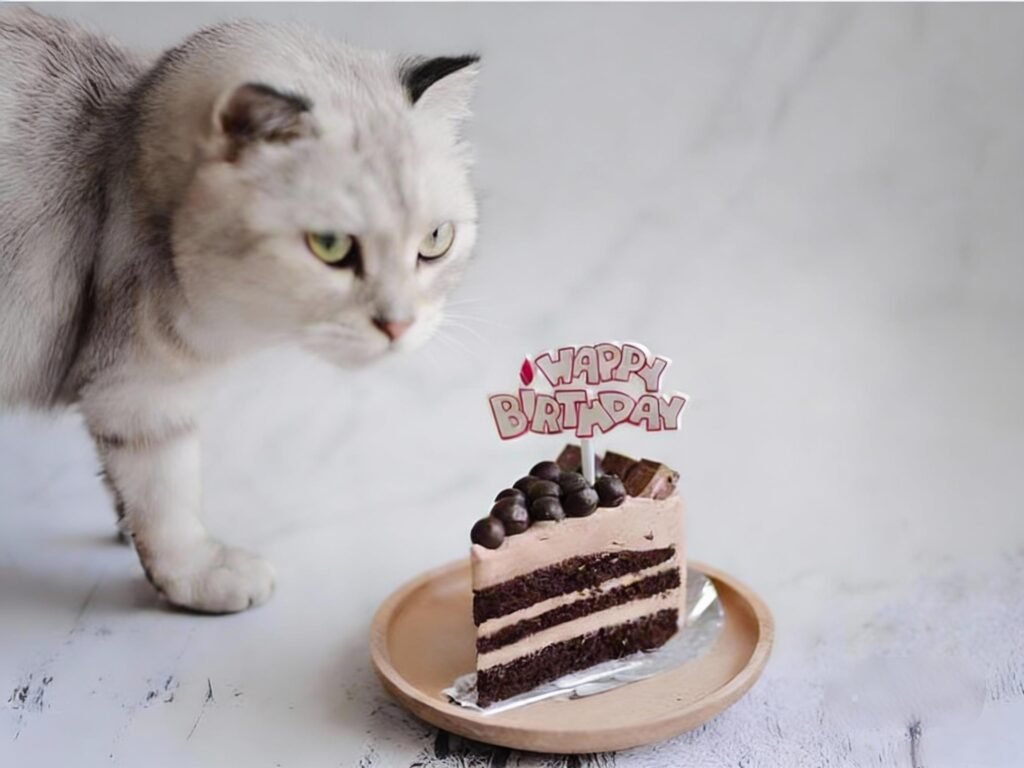
Cats generally do not seek out chocolate on their own, but even a small taste of a chocolate cake while you’re eating is enough to cause serious harm.
The concentration of theobromine varies by type of chocolate:
White chocolate < Milk chocolate (1.5–2 mg/g) < Dark chocolate (4.6–6.6 mg/g).
Dark chocolate poses the greatest risk.
Be particularly cautious during holidays such as Valentine’s Day in February and Christmas in December, when chocolate is commonly present in homes.
A notable example occurred in the UK in 2017 when a major supermarket, Sainsbury’s, distributed free chocolate samples in mailboxes during Christmas. Many pets consumed the chocolate, resulting in illness and public complaints. This serves as a reminder that chocolate-containing foods should always be treated with extreme caution.
Onions and Allium Vegetables – Danger!
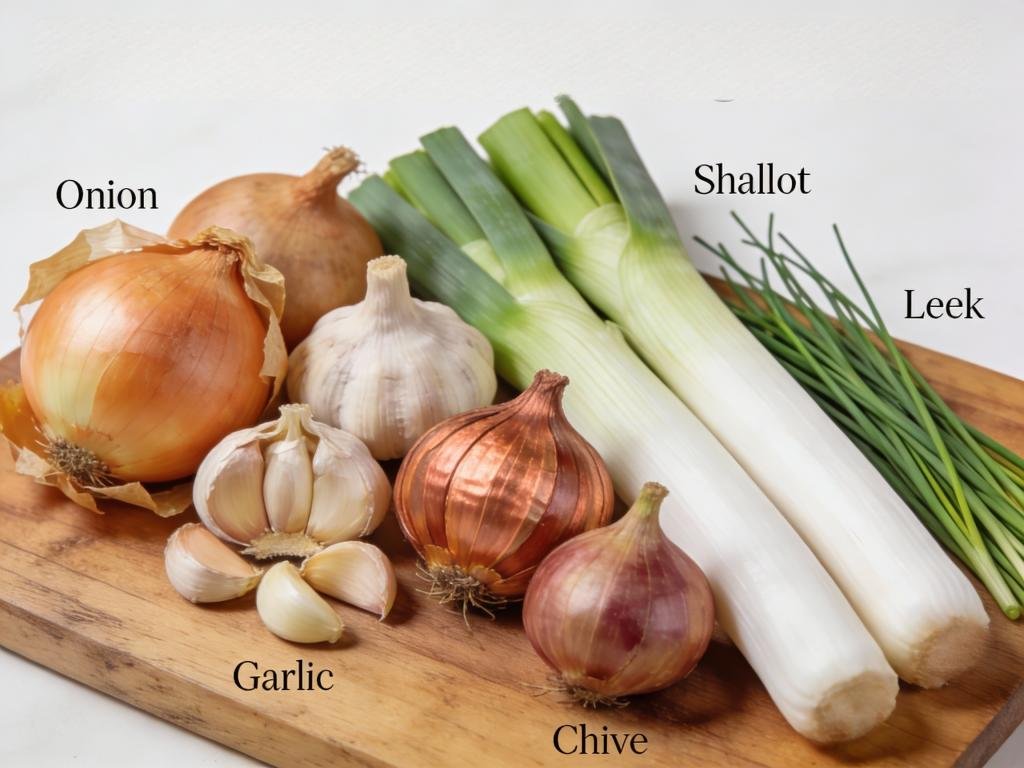
Onions, garlic, leeks, and other allium vegetables contain allyl propyl disulfide, a compound that destroys red blood cells and can cause hemolytic anemia in cats.
Foods to strictly avoid include:
- Leftover hot pot or stew containing onions
- Miso soup with scallions
- Any seasoning or dish containing onions or garlic
During summer barbecues or family gatherings, the risk of accidental ingestion is higher, so extra care is required. Additionally, garlic contains allicin-like compounds, which can trigger allergic reactions or asthma attacks in cats. In short, cats should never have access to any allium family foods.
Alcoholic Beverages – Danger!
Cats cannot efficiently metabolize alcohol. Even a small amount can cause intoxication and organ dysfunction. Never, under any circumstances, offer alcoholic beverages to your cat, not even as a joke.
Be cautious with fermented or spoiled foods as well:

- Rotten apples
- Raw bread dough (such as pizza dough or focaccia dough)
According to the PET POISON HELPLINE in the U.S., these fermented doughs can also pose a toxic risk to cats.
Foods That Pose a Choking Hazard – Danger!
Bird bones and fish bones can easily become lodged in a cat’s digestive tract, so it’s safest not to feed them at all. Cats have a strong sense of smell, but to prevent them from rummaging in trash, use sealed bins.
Additionally, stone fruits such as apricots, plums, peaches, and cherries have pits that can cause choking and respiratory distress if swallowed. Always dispose of these in a place out of your cat’s reach.
The seeds of Prunus species (cherries, plums, peaches, almonds) contain trace amounts of cyanide compounds, which means they pose both a choking and a poisoning risk.
Human Medications – Danger!
Human medications are dosed based on the physiology and metabolism of people. For cats, even small amounts can be deadly rather than simply causing side effects. Never, ever give your cat human cold medicine or any other human drugs.
A 2016 survey by the UK insurance company MORE THAN found that about 9% of pet owners had given human medications to their pets. Some of these medications were potentially lethal.
Common toxic examples include:
Antihistamines – Usually cause mild sedation or loss of coordination, but cats with liver issues are at higher risk of severe effects.
Acetaminophen (Paracetamol) – Extremely dangerous. Symptoms: cyanosis, breathing difficulty, facial swelling, depression, hypothermia, vomiting. Severe cases can progress to weakness, coma, and death. Estimated toxic doses: Dogs ~46 mg/kg, Cats ~100 mg/kg.
Ibuprofen – Symptoms: abdominal pain, anemia, black stools, vomiting blood, gastrointestinal irritation, ulcers.
Aspirin – Symptoms appear 4–6 hours after ingestion: depression, vomiting, loss of appetite, rapid breathing, fever. Central nervous system suppression can lead to coordination problems, coma, and death. Toxic doses: Dogs ~25 mg/kg/day, Cats ~50 mg/kg/day.
Important Reminder:
Human medications are not “harmless in small doses” for cats—they can be deadly. Store all medications in locked or sealed containers out of your cat’s reach.
Foods That Require Caution – Moderate Risk
Caffeine
Caffeine, found in coffee, tea, energy drinks, and some sodas, strongly stimulates the central nervous system. While humans may feel “alert,” even small amounts can cause rapid heartbeat, hyperventilation, tremors, seizures, and arrhythmias in cats. Estimated lethal dose: ~150 mg/kg for humans, dogs, and cats.
Human Supplements
Human dietary supplements are formulated for human metabolism and body size. Water-soluble vitamins (B, C) are usually excreted, but fat-soluble vitamins (A, D, E) can accumulate and cause toxicity in cats.
A 2016 survey found that 5% of pet owners had given protein powders, bars, or human vitamins to pets, often for reasons like:
- Boosting strength or physique (21%)
- Faster weight loss (40%)
- Improving pet health (35%)
- Impressing others (6%)
About 15% of pets experienced adverse effects from these supplements. Always use cat-specific products.
Abalone and Turban Shells (Sea Snails)
Raw abalone’s viscera contain pheophorbide, which can cause phototoxic dermatitis. In sunlight, it may trigger inflammation and even tissue necrosis in delicate areas like the ears, particularly in light-colored cats.
Raw Pork
Raw pork may harbor Toxoplasma gondii, a parasite transmissible to humans. Never feed raw pork to cats. Even imported pork should be fully cooked before consumption.
Raw Eggs
Raw egg whites contain avidin, which binds biotin (vitamin B7) and can cause skin and eye problems if consumed in large amounts. Always cook eggs thoroughly before feeding cats.
Spices
Black pepper, chili, curry, Tabasco, mustard, and similar spices may irritate the digestive system and harm internal organs.
Avocado
Avocado contains persin, which is toxic to cats, dogs, horses, and other animals. It may cause tremors or breathing difficulties.
Liver (Raw or Excessive)
Excessive intake of vitamin A from liver can lead to toxicity, bone deformities, and joint problems. Raw liver may also harbor pathogens or parasites. Avoid feeding large amounts or raw liver to cats.
Excessive liver intake can lead to bone deformities. Understanding your cat’s skeletal anatomy helps illustrate why maintaining the right nutrient balance is vital for their mobility.
Human Foods
High salt and seasoning content in human foods is unsafe for cats. Avoid canned human foods, snacks, fried foods, convenience meals, and “cat rice” dishes with soup or sauce.
Human Milk
After weaning, cats may lose the ability to digest lactose, leading to diarrhea. Avoid giving cow’s milk to cats.
Salt and Brine
Excessive salt can cause acute poisoning: vomiting, unsteady gait, diarrhea, or coma. Be cautious with salt shakers and decorative salts.
Macadamia Nuts
Can cause weakness, difficulty walking, tremors, swollen limbs, or breathing issues. Do not feed nuts or nut-containing foods to cats.
Grapes and Raisins
May cause vomiting, kidney failure, or death in dogs; avoid feeding to cats. “Cat wine” products containing grapes are not proven safe.