

Cats, like humans, require six major nutrients—carbohydrates, fats, proteins, vitamins, minerals, and water. However, since cats are obligate carnivores, their nutritional needs differ significantly from humans. First, understanding the basics of nutrition and managing their diet properly is essential to avoid deficiencies (imbalances) or excesses.
What Carbohydrates Do Cats Need?
Carbohydrates are organic compounds made up of monosaccharide molecules that include carbon elements. Depending on their function in the body, carbohydrates are categorized into sugars and dietary fiber. Sugars are carbohydrates that can be broken down to provide energy, while dietary fibers are not easily broken down and are instead metabolized through fermentation by gut bacteria. Carbohydrates are primarily found in foods like rice, pasta, sugars, starches, corn, and root vegetables. Sugars provide energy for the brain and muscles, with the excess being stored as fat or in muscle cells under the influence of insulin. In times of hunger, proteins (muscle) and fats (fat tissue) are broken down to produce glucose, which the body uses. The caloric value of carbohydrates (sugars) is about 4 kcal per gram.
Deficiencies (Imbalances) and Toxicity
The exact recommended intake of carbohydrates for cats has not been firmly established, but it is generally believed that if the carbohydrate content of dry food does not exceed 35%, cats can digest it well. If the carbohydrate content exceeds 40%, it may cause symptoms like hyperglycemia (high blood sugar), glucose in urine, diarrhea, bloating, and excessive gas.
Cat’s Need for Carbohydrates
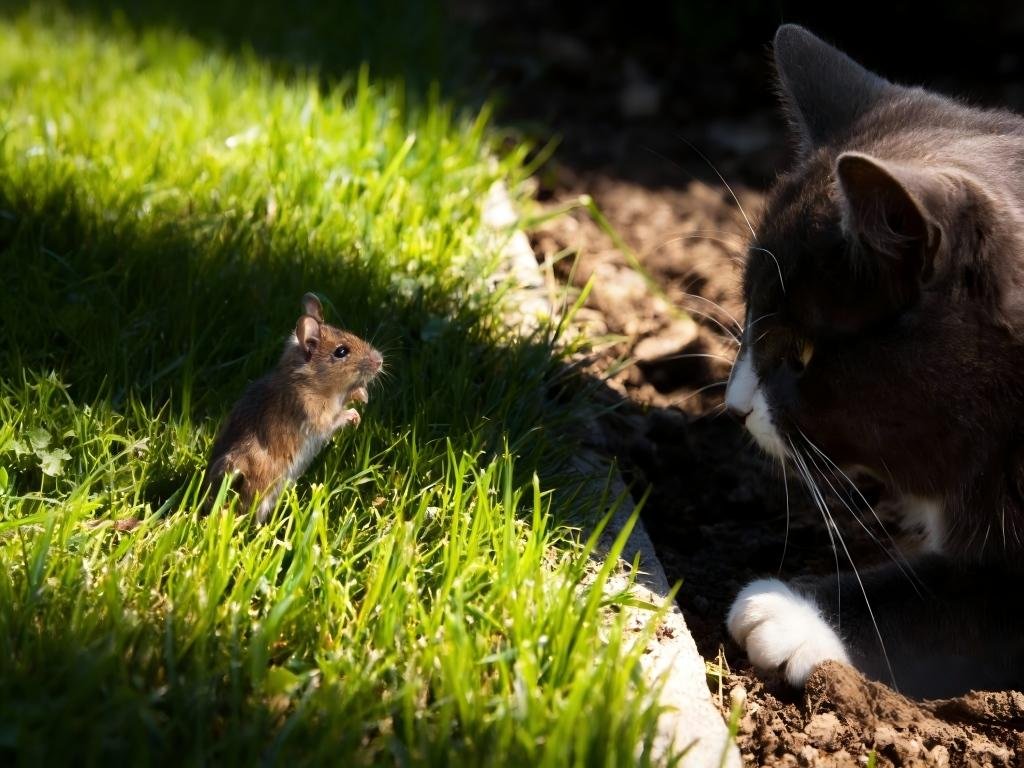
Cats primarily eat small rodents like mice, and carbohydrates are also a component of their prey’s diet. Cats have a low requirement for carbohydrates, as their evolutionary diet mainly consisted of rodents. A study showed that the composition of a mouse’s body consists of 1.2% carbohydrates, 55% protein, and 38.1% fat. Although cats ingest trace amounts of carbohydrates, if their digestive system isn’t equipped to handle them properly, they may experience vomiting or diarrhea. Thus, while cats are less efficient at digesting carbohydrates than omnivores like dogs or humans, they can still digest small amounts.
Types of Carbohydrates
Carbohydrates are divided into monosaccharides, disaccharides, and polysaccharides.
- Monosaccharides
Monosaccharides are the simplest sugar molecules that cannot be further hydrolyzed. Common monosaccharides include glucose (providing energy to the body), fructose (found in fruits), and galactose (less sweet than glucose). Glucose, in particular, is vital for the brain and muscles as it can be synthesized from fats and proteins. - Disaccharides
Disaccharides are sugars formed by two monosaccharides through dehydration condensation. Common disaccharides include sucrose (glucose + fructose), lactose (glucose + galactose), and maltose (glucose + glucose). Cats do not have taste receptors for sweet foods, so they don’t react to sugars like sucrose. Also, because cats lack the enzyme to break down lactose, they may experience diarrhea if they drink milk. - Polysaccharides
Polysaccharides are composed of multiple monosaccharide molecules linked by glycosidic bonds. Common polysaccharides include starch (found in plants like potatoes) and glycogen (stored in muscles and the liver). Cats’ saliva lacks amylase, the enzyme needed to break down starch, so they have difficulty digesting starchy foods like potatoes and rice.
*avoid giving human milk to cats
Dietary Fiber
Dietary fiber consists of polysaccharides, such as cellulose, pectin, hemicellulose, and others, which are not broken down by digestive enzymes in the cat’s body. Instead, fiber is fermented by gut bacteria. Fermented fiber is metabolized into short-chain fatty acids (SCFAs) like acetic acid, which aid in maintaining gut health. Cats cannot digest fiber as efficiently as herbivores like horses or cows, as their intestines are shorter, leading to a quicker food passage.
Functions of Fiber:
- Regulates the passage of food through the digestive tract
- Helps stabilize blood glucose levels
- Lowers intestinal pH, increasing the proportion of anaerobic microbes
- Stimulates the production of short-chain fatty acids, vitamins, and gases like methane
Some fiber-rich cat foods, particularly those designed to prevent hairballs, contain over 7% fiber. However, excessive fiber can lead to diarrhea and bloating, so moderation is key.
Protein Requirements for Cats
Proteins are large compounds made up of amino acids linked in chains. They are critical for building muscles and hormones. Since carbohydrates and fats cannot synthesize proteins, they must be obtained through food.
Protein provides about 4 kcal per gram. Major sources of protein include red meat, fish, soy products, milk, and eggs. Tuna and red meat are particularly rich in protein.
Deficiencies (Imbalances) and Toxicity
Regarding minimum protein intake, the NRC (National Research Council) recommends 3 grams of protein per kilogram of ideal body weight, while the AAHA (American Animal Hospital Association) recommends 5 grams. Since cats are obligate carnivores, they are excellent at breaking down protein, and there is no established upper limit for protein intake.
Essential Amino Acids for Cats
Protein is broken down into 22 amino acids, some of which cannot be synthesized by the cat and must be obtained from food. These are called essential amino acids. Additionally, some amino acids are considered “conditionally essential” during growth, as the cat may not be able to synthesize them sufficiently.
There are 11 essential and 2 conditionally essential amino acids for cats. Some of the key essential amino acids include:
- Taurine: Vital for digestion and neural function. A deficiency can lead to serious issues like progressive retinal atrophy and heart disease.
- Arginine: Helps detoxify ammonia and supports immune function. A deficiency may cause ammonia toxicity and fat accumulation in the liver.
The amount of protein required for cats is higher compared to dogs (3-5 grams per kilogram of body weight, versus 1.6-2.5 grams for dogs). This is because cats actively break down protein when it’s in short supply, due to their low enzyme activity for carbohydrate metabolism.
Fats Cats Need
Fats are substances that cannot dissolve in water but can dissolve in organic solvents like ether. They are made up of carbon, hydrogen, and oxygen molecules. Common forms include triglycerides, phospholipids, and cholesterol.
Excess fat is stored in fat cells and muscle cells under the influence of insulin, and during fasting, proteins and fats are broken down to release glucose. Fats provide 9 kcal per gram, compared to 4 kcal for carbohydrates and proteins. Animal fats, butter, eggs, and plant oils are rich sources of fat.
Deficiencies (Imbalances) and Toxicity
The daily fat intake for cats doesn’t have a strict limit, but since fats are so calorie-dense, their intake must be balanced with other nutrients.
Types of Fats
Fats are divided into simple lipids (such as triglycerides), compound lipids (phospholipids), and derived lipids (like cholesterol). Triglycerides, which are common in animal fat, are broken down into fatty acids and glycerol in the body.
Fatty Acids can be classified into:
- Saturated fatty acids: Found in animal meats, these fats are solid at room temperature and can be linked to certain diseases when consumed excessively.
- Unsaturated fatty acids: Found in plants and fish, these fats are liquid at room temperature and are beneficial, but too much can cause health problems in cats, especially yellow fat disease due to excessive fish intake.
Essential Fatty Acids for Cats
Since cats cannot synthesize essential fatty acids, they must obtain them from food. The AAFCO has outlined the minimum required intake levels for essential fatty acids, which include:
- Linoleic acid: Helps with energy storage and serves as a precursor for arachidonic acid.
- Arachidonic acid: Essential for energy utilization and storage, found in animal tissues.
Vitamins Cats Need
Vitamins are vital compounds that help regulate body functions. They are divided into fat-soluble and water-soluble types. Cats have specific vitamin requirements, and deficiencies or excesses can lead to health issues.
Fat-Soluble Vitamins
- Vitamin A: Essential for skin and mucous membrane health. Cats lack the ability to convert beta-carotene into vitamin A, making them more prone to deficiencies.
- Vitamin D: Vital for calcium absorption. Cats can’t synthesize it from sunlight, which makes them susceptible to vitamin D deficiency.
- Vitamin E: Protects blood vessels and prevents atherosclerosis.
Water-Soluble Vitamins
- Vitamin B1 (Thiamine): Important for carbohydrate metabolism.
- Vitamin B2 (Riboflavin): Supports skin, hair, and fat metabolism.
- Vitamin B6 (Pyridoxine): Promotes skin and tooth health, and activates stomach acid.
Why Cats Eat Grass
One theory is that cats consume grass to supplement a lack of folic acid (vitamin B9), though this idea has not been confirmed.
Vitamin C Specifics
Cats can synthesize their own vitamin C, so it is not necessary in their diet. Unlike humans, who require external sources of vitamin C, cats do not depend on it.
Minerals Cats Need
Minerals are essential inorganic elements that the body needs in small amounts. An imbalance in mineral intake can lead to serious health problems, so it’s important to ensure they are carefully balanced in the diet.
Some of the key minerals for cats include:
- Iron: Helps transport oxygen in the blood.
- Calcium: Vital for bone development.
- Magnesium: Works with calcium for muscle contraction.
- Phosphorus: Strengthens bones and teeth.
- Zinc: Activates enzymes that support normal cell division.
- Sodium & Potassium: Work together to maintain normal blood pressure and nerve function.
Risks of Excessive Calcium
Overusing human calcium supplements can lead to toxicity, causing symptoms like vomiting, diarrhea, and acute kidney failure. Always avoid giving cats human supplements, as they may contain vitamin D, which can be toxic in large amounts.
Water Requirements for Cats
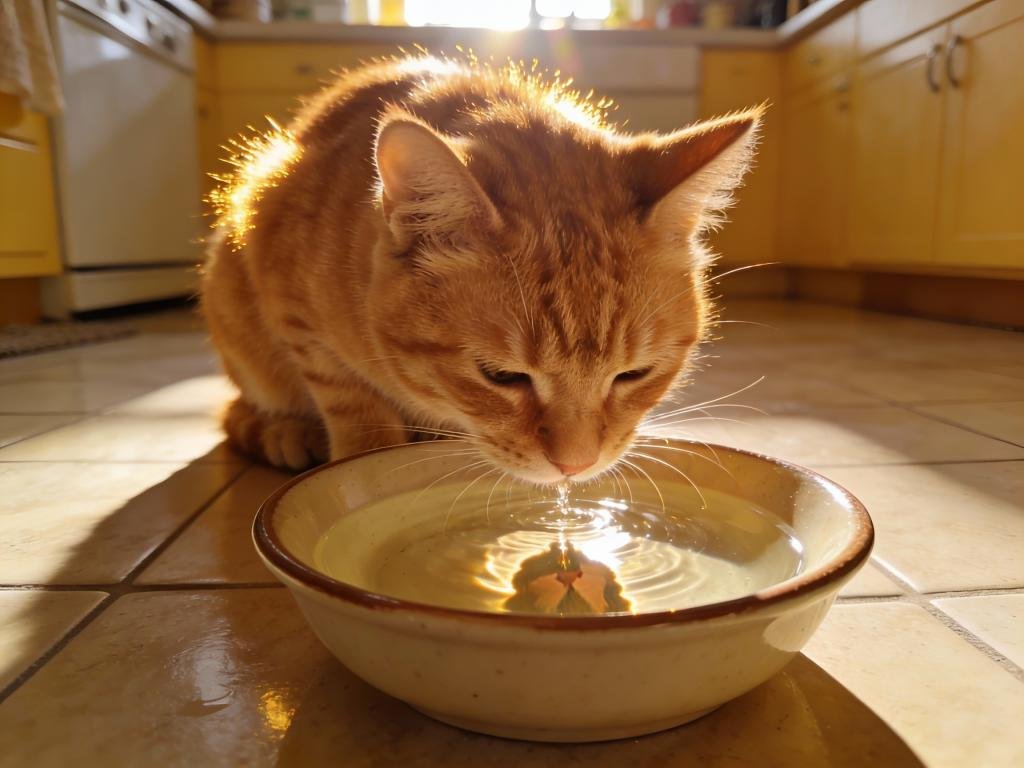
Cats’ bodies are about 80%-90% water during the fetal and immature stages, dropping to 60%-70% in adulthood. The average water requirement is about 1.2 × (30 × body weight in kg) ml per day. Factors like activity, health, pregnancy, and whether the cat eats wet or dry food can affect water intake.
Health Risks from Dehydration
Cats’ ancestors lived in desert environments, which helped them evolve to tolerate dehydration. However, this trait can also lead to health problems like urinary tract diseases and kidney issues if not properly managed.
How to Encourage Cats to Drink More Water
- Multiple Water Sources: Place water bowls in different locations to remind cats to drink.
- Fresh Water: Keep the water clean and free of debris or odor.
- Use Water Fountains: Cats are often more attracted to flowing water.
- Add Water to Food: Add water to dry food or mix in moist food to increase water intake.