
Why are cats so picky about their food? Why do they prefer eating in multiple small meals throughout the day? This article will explore the unique dietary habits and lifestyle of cats, who are obligate carnivores.
About Cats’ Food Preferences
A cat’s food preferences begin to develop between 4 to 6 weeks of age, during which the experiences they have with food play a crucial role in shaping their tastes. Therefore, there may not be a one-size-fits-all “magic food” for every cat. Below, we will discuss some of the taste preferences of cats based on scientific studies and how their food preferences can be influenced by learned experiences.
What Flavors Do Cats Like?
Cats have taste receptors on their tongues that are particularly responsive to certain amino acids, especially those that humans perceive as “sweet.” Specifically, cats seem to prefer the following amino acids:
- “Sweet” Amino Acids:
- Proline
- Cysteine
- Ornithine
- Lysine
- Histidine
- Alanine
However, foods containing certain alkaloids or “bitter” amino acids may inhibit the perception of these “sweet” amino acids. Here are some of the “bitter” amino acids cats tend to dislike:
- “Bitter” Amino Acids:
- Tryptophan
- Isoleucine
- Arginine
- Phenylalanine
Experiments have shown that when cats are presented with a choice of water containing both sweet and bitter amino acids, they tend to prefer the sweet one. As for their preference in meat, the typical order is: “Lamb > Beef > Horse > Pork > Chicken > Fish.” This indicates that cats are not simply interested in all types of meat but prefer the amino acid profile of certain meats.
*complete breakdown of essential amino acids
What Flavors Do Cats Dislike?
The accumulation of “monophosphate nucleotides” in the tissue of dead animals can suppress the activity of the amino acid receptors on a cat’s tongue. This explains why cats prefer fresh food over older, decaying food. Unlike dogs, who are more scavenger-oriented and can eat carrion, cats prefer fresh prey.
Additionally, a taste receptor called “Unit X” has been found in both the tongue and facial nerves of cats. This receptor responds to a variety of substances, including alkaloids, tannins, malic acid, and phytic acid. It is particularly sensitive to quinine, a bitter substance, being 1,000 times more sensitive to it than rabbits and hamsters. This sensitivity may cause cats to have a strong aversion to foods containing quinine.
Cats’ Preferred Moisture Content
Cats tend to prefer foods that have a moisture content of between 70% and 85%, which aligns with the moisture content found in their natural prey. Studies have shown that house cats tend to choose dry food, while outdoor cats, such as those on farms or in warehouses, prefer raw beef. However, preference for fish varies from cat to cat, with some preferring red meat over fish and others the opposite.
Cats’ Preferred Food Texture
Studies have shown that cats have certain preferences for the shape and texture of their food. They tend to avoid foods with sharp edges, as these might get stuck in their esophagus when swallowed. Additionally, some research suggests that cats prefer food that is not too acidic, hard, or sticky, with their favorite textures resembling those of raw meat or fish.
Cats’ Preferred Food Temperature
The ideal food temperature for cats is around 37°C, which is close to body temperature. Especially in older cats, food at this temperature significantly increases their appetite. However, if food exceeds 40°C, a cat’s appetite may quickly decrease. Therefore, it’s important not to feed cats food that is too hot.
Cats’ Preferred Wild Prey
In the wild, cats prefer to hunt the following animals in this order: rabbit > field mice > other rodents and insectivores > house sparrows. Wild cats generally favor small mammals, particularly field mice. Interestingly, they show less interest in larger prey like rabbits.
In summary, a cat’s food preferences are influenced by its natural hunting instincts, taste receptors, and learned experiences. Understanding these preferences can help owners provide better food choices for their cats.
Nutritional Balance for Cats
Unlike humans, who sometimes overeat or are picky eaters, leading to nutritional imbalances, cats have an innate ability to adjust their food intake based on their body’s needs, choosing foods that meet their requirements instinctively.
In 2011, the Waltham Centre for Pet Nutrition found that cats do not overeat or under-eat, but instead instinctively adjust their food intake to maintain nutritional balance. Below are the findings from the study on the feeding habits of cats:
Cats’ Ability to Adjust Food Intake
An experiment conducted in 2011 tested over 100 cats by allowing them to choose their food freely. The results showed that each cat consumed approximately the same proportion of three macronutrients (carbohydrates, lipids, and proteins) throughout the day.
Proportions of Nutrients in Cats’ Diet
Analysis of the nutrients consumed by cats showed the following approximate daily intake:
- Protein: 26g
- Lipids: 9g
- Carbohydrates: 8g
These proportions are similar to the composition of food found in their natural prey, such as fish. When presented with three different foods containing varying nutrient contents, the cats instinctively adjusted their food intake to maintain a balance close to these ideal proportions.
Cats’ Carbohydrate Intake Limit
Research also found that cats have an upper limit for carbohydrate intake, which is about 70 kcal (300 kJ) per day. If the carbohydrate content in their food exceeds this limit, cats will stop eating, even if they are hungry.
Self-Regulation of Nutrient Intake
Cats have an innate understanding of what nutrients they need, and they can select food to maintain their nutritional balance. This self-regulating behavior was also confirmed in a 2016 study.
Study Finds Protein Is the Most Important Nutrient for Cats
In another study, researchers found that cats naturally adjust their protein intake to ensure that it makes up about 50% of their total caloric intake. Even when other flavors or scents are added to the food, cats still prefer foods that are higher in protein.
If a cat’s food has too high a proportion of carbohydrates (exceeding the limit of 3g per kg of body weight), they will refuse to eat it until they find food that meets their nutritional needs. This suggests that a lack of appetite may be due to a food’s high carbohydrate content, which reduces the protein proportion.
Conclusion
Cats have an exceptional ability to self-regulate their food intake based on their nutritional needs. Understanding these needs and providing the right food can help cats maintain a healthy nutritional balance.
Cats and Fatty Diets
While a high-fat diet in humans is often a cause of hyperlipidemia, cats seem to be able to process high-fat foods without experiencing the same lipid imbalances as humans.
A study conducted by the University of Glasgow and the Waltham Centre for Pet Nutrition (source: Butterwick, 2012) tested 16 healthy, unspayed female cats. The cats were fed foods containing polyunsaturated fatty acids (51% or 66%) and saturated fatty acids (51% or 66%) for six weeks to study the effects on plasma lipid levels and enzymes involved in lipid metabolism. The results showed that even with food containing up to 66% fat, there was no significant impact on plasma lipid concentrations.
Differences in Fat Metabolism Between Cats and Humans
Unlike humans, cats are equipped with a fat-processing system developed over evolutionary time that allows them to effectively digest and metabolize high-protein, high-fat diets. As a result, cats can consume higher levels of fat without developing high cholesterol or triglyceride levels, unlike humans. However, excessive intake of polyunsaturated fatty acids combined with a lack of vitamin E can lead to a condition known as “yellow fat disease.”
The Occurrence of Yellow Fat Disease
Over 50 years ago, Massachusetts reported cases of yellow fat disease in cats due to excessive intake of polyunsaturated fatty acids and vitamin E deficiency (Munson, 1958). These cats, which primarily consumed tuna red meat, showed symptoms like lethargy, fever, and soft or hard subcutaneous fat. Further studies (Munson, 1960) found similar symptoms in eight other cats aged 6 months to 8 years.
The Importance of a Balanced Diet
Although many people think “cats love fish,” it is important not to feed them fish alone. An overly restrictive diet, particularly one with too many polyunsaturated fatty acids and a lack of vitamin E, can lead to nutritional imbalances. To avoid yellow fat disease, it’s essential to provide a balanced diet that includes a variety of foods, ensuring proper fat and vitamin intake.
Cats and Cat Grass
There are various theories as to why cats eat grass, one of which is that it helps stimulate the digestive system and promotes bowel movement. “Cat grass” typically refers to plants that cats enjoy eating, such as members of the grass family, parsley, and catnip.
The most common explanations for cats eating grass are that the sharp leaves stimulate the digestive system and help expel hairballs, or that cats eat grass to supplement their diet with “folic acid,” a crucial vitamin. However, there is no definitive scientific evidence to confirm either explanation. What is certain is that cats lack the ability to break down plant cell walls (they cannot cut the beta bonds in cellulose to convert it into glucose), so the plants they consume remain undigested and act as a physical stimulant in their gastrointestinal tract.
Although cats eating grass is usually harmless, not all plants are safe
for them. It is estimated that there are over 700 plants toxic or harmful to cats. Since it’s impossible to memorize all these plants, the safest approach is to provide cats with only those grasses known to be safe, such as the grass family, and avoid others.
Cats’ “Picky” Eating Habits
If cats were free to eat whenever they wanted, they would typically eat 9 to 16 times per day in small amounts. This “picky” or “snacking” behavior is closely tied to their evolutionary ancestry, particularly the wild African wildcat, which hunted intermittently.
The African wildcat lived in arid, desert regions and mostly hunted small rodents. Because they could not catch a large number of prey in one hunt, their eating behavior was sporadic. Over time, domestic cats have inherited this eating habit, even though food is abundant.
Studies suggest that an adult cat, if living solely by hunting, would need to catch around 10 mice a day (each mouse contains about 30 kcal) to meet their daily energy requirements of around 80 kcal per kilogram of body weight. This means that the ideal calorie intake per feeding session is about 30 kcal.
Furthermore, when feeding schedules are fixed to human-like three meals a day, cats tend to become more aggressive and less cooperative. Overfeeding can also cause fluctuations in urinary pH, magnesium, and phosphorus levels. Studies have shown that cats should eat in multiple small meals, just as their ancestors did, rather than large, infrequent meals.
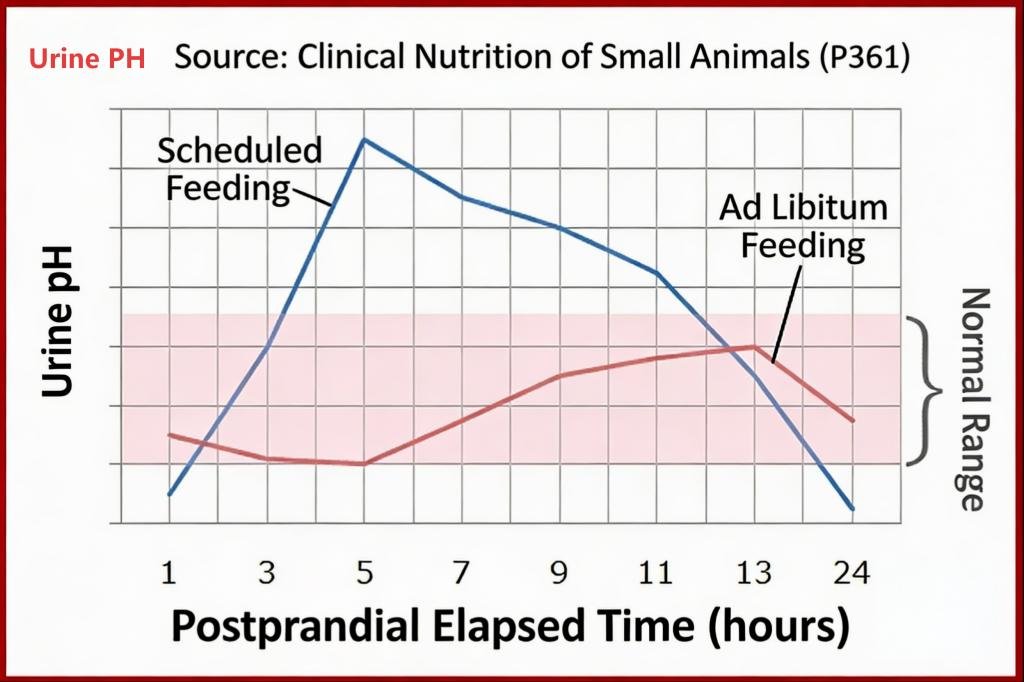
Because of this, feeding schedules that are fixed to specific times and quantities may not align with a cat’s natural eating habits. The International Cat Care (ICC) recommends feeding cats at least five times a day, and the American Association of Feline Practitioners (AAFP) issued feeding guidelines in 2018 advising against large, infrequent meals.
Therefore, cats’ preference for eating in multiple sessions may not indicate a lack of appetite but instead reflects their instinctual needs. Understanding and respecting these habits will contribute to better health and disease prevention.
Homemade Cat Food
Making homemade cat food is an option for some owners, but it comes with challenges. First, homemade food is typically more expensive, time-consuming to prepare, and sometimes, even with careful preparation, cats may refuse to eat it, which can be frustrating for the owner.
A bigger issue, however, is achieving the correct balance of energy and essential nutrients. Numerous global studies and experiments have shown that no homemade recipe perfectly meets all of a cat’s nutritional needs. Here are some examples:
Homemade Recipes in Brazil
In 2015, a team from São Paulo State University (UNESP) studied the nutritional balance of 80 dog food recipes, 24 cat food recipes, and 2 combined recipes for dogs and cats. They found that no recipe perfectly satisfied all 35 essential nutrients, and none of the 106 analyzed recipes met all standards.
Homemade Recipes in the USA
The team at the University of California, Davis, analyzed 114 homemade cat food recipes from books and online sources to see if they met the standards set by the National Research Council (NRC). They found that nearly 100% of the recipes lacked clear instructions on preparation and cooking. While 94 recipes provided detailed information, 93 still required clarifications on ingredients, cooking methods, and supplements. Even recipes supervised by veterinarians failed to meet all recommended standards.
Homemade Recipes in Japan
In 2017, a Japanese research team analyzed homemade cat food recipes available in books and online. They found that while most recipes met the requirements for protein, essential amino acids, fats, and essential fatty acids, many fell short on minerals, particularly calcium, which was severely lacking in more than half the recipes. On the other hand, some recipes had excessive amounts of methionine, iodine, vitamin A, and vitamin D.
Considerations for Homemade Cat Food
As shown above, most homemade cat food recipes suffer from nutritional imbalances, which can lead to health problems for cats. For those still wanting to prepare homemade food, it’s important to focus on the following points:
- Balance of macronutrients: Ensure that the intake of carbohydrates, fats, and proteins is appropriate.
- Trace elements balance: Vitamins and minerals are equally important, and they must be sufficiently included to meet the cat’s needs.
Additionally, understanding each cat’s daily caloric requirements is essential when developing a recipe. Nutrient requirements can be compared to the minimum recommendations from the AAFCO (American Association of Feed Control Officials) to ensure a balanced diet.
Risks of Homemade Cat Food
Although there are many books with homemade cat food recipes, most do not provide clear nutritional guarantees or follow-up studies on long-term effects. Particularly in recent years, the use of raw food in homemade recipes presents risks, including bacterial infections like multi-drug resistant bacteria. For those concerned about homemade food, it might be better to switch to commercial cat food.
Choosing Commercial Cat Food
When choosing commercial cat food, consider the following:
- Ensure the product is labeled as meeting AAFCO or the Pet Food Institute standards, confirming it meets essential nutrient requirements and has undergone relevant testing.
- Read the ingredient labels carefully to ensure the safety of the ingredients and additives.
In conclusion, while homemade cat food allows for more owner involvement, its nutritional complexity and associated risks make commercially prepared cat food a safer choice for most pet owners.