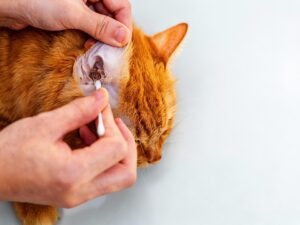

In this comprehensive guide, we’ll walk you through how to brush your cat’s teeth with step-by-step instructions, photos, and videos. Regular dental check-ups are crucial to prevent periodontal disease and other oral health issues. If your cat dislikes brushing, we’ll also suggest some alternative products to help maintain their dental health.
The Importance of Brushing Your Cat’s Teeth
Just like humans, cats can develop periodontal disease. The main cause is their diet, which often consists of soft food that causes plaque buildup between their teeth. If plaque turns into tartar, it makes it easier for more plaque to accumulate, eventually leading to periodontal disease. When cats develop periodontal disease, bad breath becomes a serious issue, and it can even affect their overall quality of life. Therefore, regular tooth brushing is essential to maintain your cat’s oral health.
The Structure of a Cat’s Teeth
A cat’s teeth are divided into two main sections: the crown (the visible part above the gum) and the root (which is embedded in the gum). Gingivitis primarily occurs in the “gingival sulcus,” the space where the crown and root meet. When inflammation deepens the gingival sulcus, it forms “periodontal pockets,” allowing food debris and bacteria to collect and causing periodontal disease.
The Naming and Function of a Cat’s Teeth
- Incisors (6 upper, 6 lower = 12 total): Used for nibbling food and grooming.
- Canines (2 upper, 2 lower = 4 total): Used to grab and hold prey, especially around the neck area.
- Premolars (6 upper, 4 lower = 10 total): Used for grinding food and breaking down dry food.
- Molars (2 upper, 2 lower = 4 total): Assist in cutting meat and grinding hard food.
Understanding Cat Tooth Anatomy
- Crown
The crown is the visible part of the tooth that comes in direct contact with food, helping with cutting and grinding. - Enamel
Enamel covers the crown and is made up of about 96% inorganic material. It’s the hardest tissue in the body but can still be damaged by forceful impacts. - Gums
The gums cover the root of the tooth, with the visible portion called the “gingival margin,” which is used to monitor gum recession. - Gingival Sulcus
The small groove between the crown and the gum prevents bacterial invasion, though inflammation can deepen this space, leading to the formation of periodontal pockets. - Dentin
Dentin is the soft tissue located beneath the crown that supports the structure of the tooth. - Cementum
The cementum covers the outer surface of the tooth’s root and helps anchor the tooth into the jawbone. - Pulp
The pulp contains nerves and blood vessels and is located at the center of the tooth. If the pulp is reached, it can cause pain. - Alveolar Bone
This bone supports the teeth. Periodontal disease can cause inflammation in the alveolar bone, leading to bone loss.
Cat Dental Plaque and Tartar Buildup
Dental buildup, including plaque, tartar, and other accumulations, is common in cats. Without timely cleaning, this buildup can lead to periodontal disease. Plaque forms on the teeth immediately after brushing, consisting of millions of bacteria. If not removed, plaque can harden into tartar within 24 hours.
TIP: To prevent tartar and plaque buildup, regular brushing is key. The recommended frequency is once a day.
Cat Dental and Oral Health Check-ups
Here’s a comparison chart of common dental and oral issues in cats, along with related diseases. If you notice any changes or abnormalities in your cat’s teeth or mouth, it’s a good idea to consider seeing a veterinarian.
Common Cat Dental and Oral Problems
- Bad Breath (Halitosis)
- Feline HIV
- Periodontal disease
- Cavities
- Stomatitis
- Tooth resorption
- Chronic enteritis
- Small intestine diarrhea
- Oral cancer
- Acute tubular nephritis
- Loose Teeth
- Periodontal disease
- Discolored Teeth
- Tooth resorption
- Mouth Swelling
- Feline viral rhinotracheitis
- Feline leukemia virus
- Feline HIV
- Stomatitis
- Tooth resorption
- Periodontal disease
- Oral cancer
- Red Gums
- Heatstroke
- Blue Gums (Cyanosis)
- Poisonous insect bites
- Toxic substance ingestion
- Foreign object ingestion
- Heart failure
- Tetralogy of Fallot
- Asthma
- Pale Gums
- Feline leukemia virus
- Feline infectious anemia
- Hemolytic anemia
- Acute kidney failure
- Chronic kidney failure
- Acute tubular nephritis & nephrotic syndrome
- Hydronephrosis
- Uremia
- Petechial Bleeding in the Mouth
- Thrombocytopenia
- Leukemia
- Black Mouth
- Oral cancer
- Mouth Ulcers
- Oral cancer
TIP: If you can catch a photo or video of your cat yawning, you’ll have a better chance of inspecting their oral health closely.
How to Brush Your Cat’s Teeth
Follow these steps for brushing your cat’s teeth effectively.
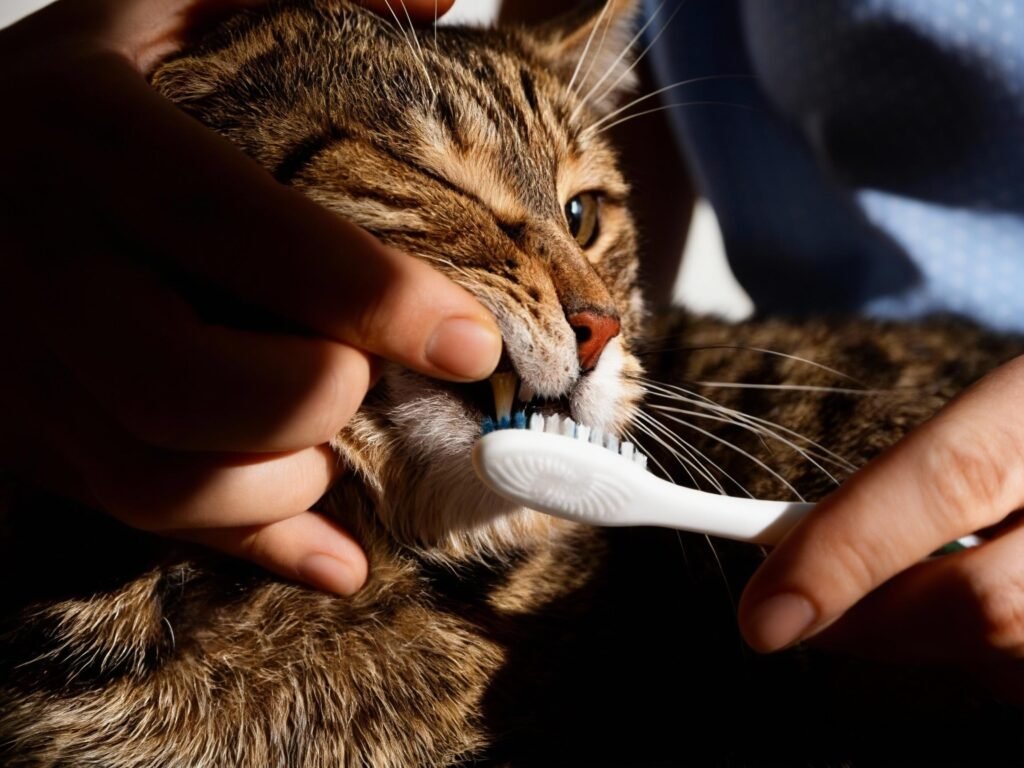
1. Get Your Cat Used to Mouth Contact
Start by getting your cat used to mouth contact before you attempt to brush their teeth. When you associate the brushing process with something tasty, like a treat, your cat will associate mouth contact with positive experiences. Begin training from kittenhood, as older cats may take longer to train. If you need to train an adult cat, you might want to wear thick gloves to prevent accidental bites.
2. Get Your Cat Used to the Toothbrush
Introduce your cat to the toothbrush gradually using positive reinforcement. For cats that dislike mouth contact, gradually expose them to the toothbrush and reward them after each interaction. This process should be slow and based on your cat’s comfort level.
3. Brushing the Teeth
When brushing, hold your cat’s head gently, exposing the teeth. Use a cat-specific toothbrush, as human brushes are too hard and may hurt the gums. Focus on the back teeth (premolars and molars), where tartar tends to build up. Ideally, brush your cat’s teeth every day.
Be cautious: Do not use human toothpaste as it often contains ingredients like xylitol, which is toxic to cats. Instead, use toothpaste formulated for cats, which comes in flavors they enjoy.
4. Tools for Brushing
Using the right tools is essential. Be aware that while xylitol is considered safe for cats in small amounts (Jerzsele, 2018), it’s safer to avoid toothpaste containing it until more research is done.
5. Special Attention to Certain Breeds
Breeds like Persians and Exotic Shorthairs often have misaligned teeth due to their shortened nasal structure. These cats may need extra attention and regular oral health checks to ensure they don’t develop dental issues.
Professional Dental Cleanings for Cats
Even with daily brushing, tartar and plaque may still build up, requiring professional cleaning. There are two types of professional cleaning: under general anesthesia and non-anesthetic cleaning. Each method has pros and cons.
General Anesthesia Cleaning
This cleaning method involves putting the cat under anesthesia. It’s ideal to do this twice a year. The costs vary by location, but treatment typically ranges from $100 to $500. The main advantages of anesthesia cleaning include:
- No restraint stress for the cat
- Thorough cleaning of periodontal pockets
- Cleaning of the back of the teeth
- Teeth polishing
- Can include tooth extractions
Drawbacks:
- Anesthesia can have risks (especially in obese or elderly cats)
- It’s expensive
- Some vets may not explain the process clearly
Non-Anesthesia Cleaning
In this method, the cat remains awake and doesn’t receive anesthesia. This is generally less expensive, but it also has limitations. The advantages include:
- No anesthesia risks
- More affordable
Drawbacks:
- Stress due to restraint
- Incomplete cleaning of periodontal pockets and the backs of teeth
- No ability to perform extractions
Alternatives to Brushing When Cats Refuse
If your cat won’t tolerate brushing, several alternatives can help maintain their oral health. Here are some popular options, with scientific support for their effectiveness.
1. Dental Cleaning Foods
Dental foods are specially formulated to reduce plaque buildup. Though not a substitute for brushing, research shows that large-sized kibble helps clean teeth by scraping off plaque.
2. Dental Chews
Chew treats designed for dental cleaning help reduce plaque buildup and can be more enjoyable for cats than brushing.
3. Dental Gels
Gels can be applied to your cat’s teeth to help manage plaque. Products with zinc compounds, such as Lactoperoxidase, may show improvements in reducing plaque.
4. Dental Cleaning Sprays
Dental sprays that contain zinc can also help control bacteria and prevent tartar buildup.
TIP: While these products can help, they don’t replace brushing, which remains the most effective method for keeping your cat’s teeth clean and healthy.
Cat Dental Care FAQ
1. Is Grinies® Recommended?
Grinies® is certified by the Veterinary Oral Health Council (VOHC), indicating some effectiveness. However, the details of the testing have not been disclosed, so it cannot be fully relied upon for complete dental health.
2. How Do I Choose Dental Cleaning Toys?
Look for toys that provide adequate friction and are durable. Materials should allow your cat to chew and create friction without breaking into small, swallowable pieces.
3. Should I Use Catnip Wood for Dental Care?
While catnip wood may promote circulation, it has limited effectiveness for cleaning teeth.
4. Is Pet Toothpaste Safe?
Some pet toothpastes may contain potentially unsafe ingredients. Always check the label to ensure the toothpaste is formulated specifically for cats.
5. Are Oral Sprays Effective?
Zinc-containing oral sprays may reduce plaque buildup but haven’t been proven as highly effective in clinical studies.
6. Does Dental Care Impact Lifespan?
Studies suggest a correlation between dental care and longevity. Brushing regularly can prevent complications that may shorten a cat’s life.