
Cats have about 300 times more hair than humans. By studying cats under microscopes and through genetic research, scientists have learned a great deal about how cat fur works, how it grows, and why it forms so many beautiful patterns. This guide will help you understand cat fur in simple science language that is easy to follow.
Cat Fur Structure
Cat fur covers most of a cat’s body. The only places that usually do not have fur are the nose surface, paw pads, and some areas where skin meets mucous tissue. Cat fur is very important because it helps cats stay warm, protects their skin from injury, and blocks bacteria and dirt from entering the body.
If we zoom in under a microscope, cat fur looks very complex. The fur grows from structures called hair follicles, which are tiny organs inside the skin.
Compound Hair Follicles
Human hair follicles usually grow only one hair at a time. Cats are different. Sometimes one follicle can produce dozens of hairs. This happens because cats have compound hair follicles, which are clusters of follicles working together.
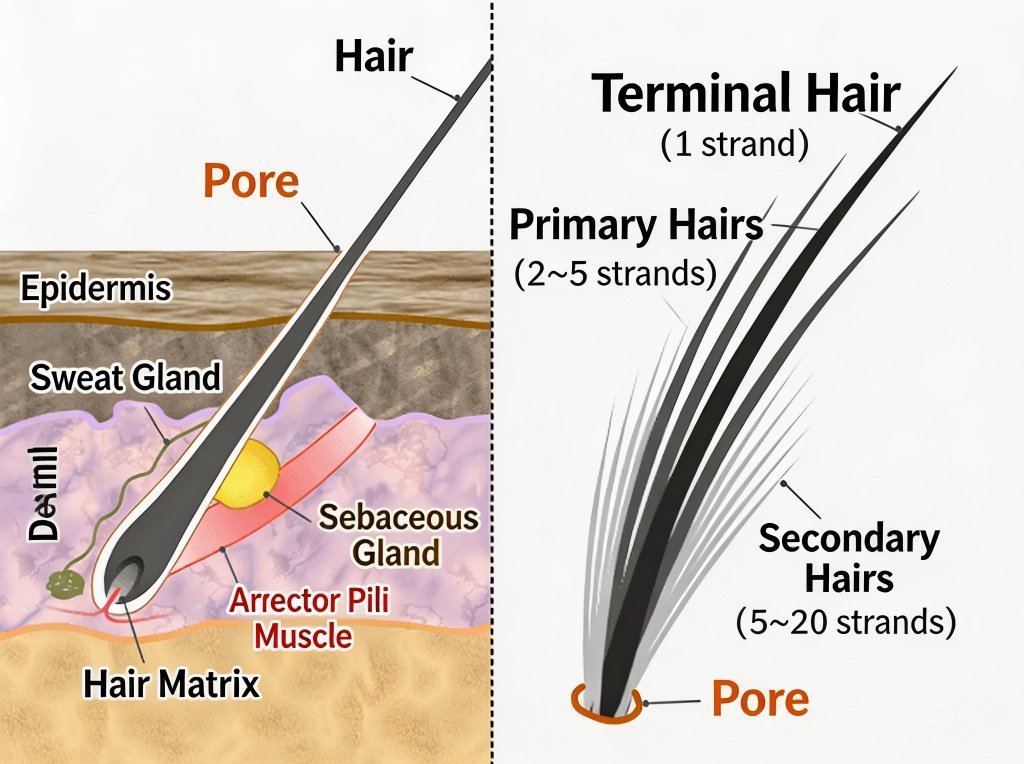
Inside each compound follicle, there is a primary follicle that produces long, thick guard hairs. These guard hairs form the outer protective layer of the coat. Around them are secondary follicles that produce softer undercoat hairs, which help with insulation.
Guard hairs are also called topcoat hairs or overcoat hairs. Undercoat hairs may also be called down hairs because they are similar to soft bird feathers.
Each hair contains a hollow center called the medulla. The outer layer is called the cuticle, which protects the hair like armor.
Primary follicles usually contain oil glands called apocrine glands and small muscles called arrector pili muscles. These muscles allow cats to raise their fur when they feel cold, scared, or angry. Secondary follicles usually do not have these extra structures.
Most compound follicles contain 2 to 5 guard hairs and 5 to 20 undercoat hairs. The ratio changes depending on body location. For example, back fur may have a 1:10 ratio, while belly fur can reach 1:24. This is why cat bellies feel so soft.
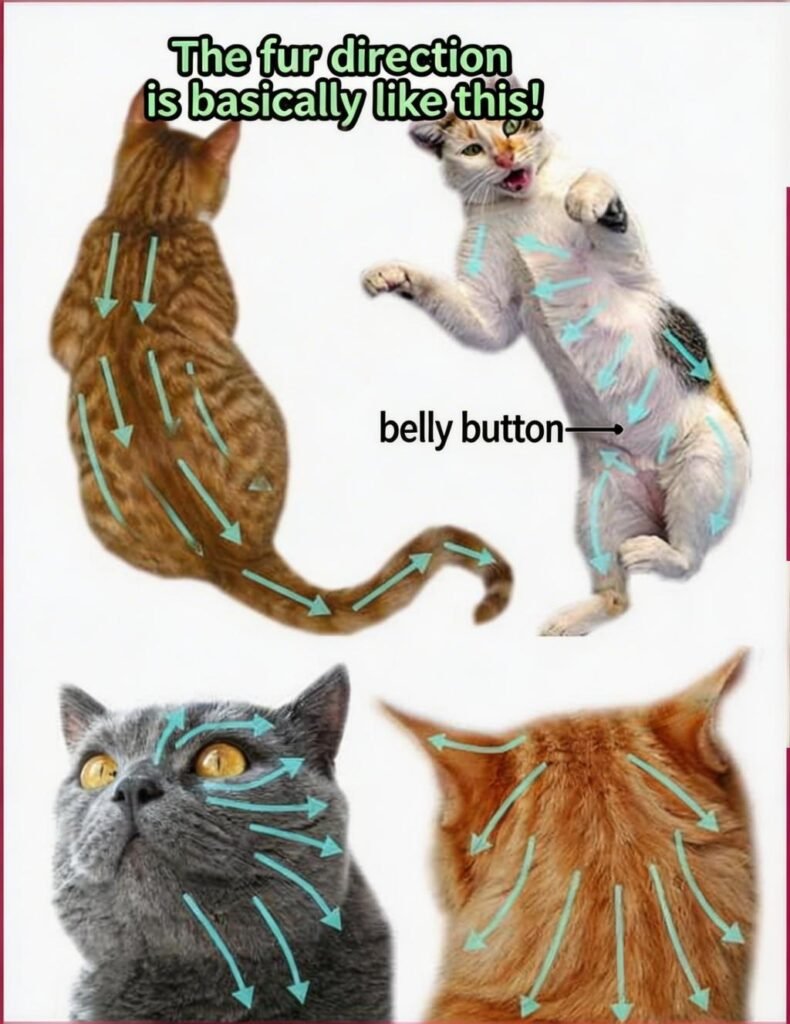
Hair Growth Direction
Cat fur grows in specific directions. When you pet a cat, it is usually best to follow the direction of hair growth. Petting against the grain can make cats feel uncomfortable.
Cat Hair Growth Cycle
Cat hair follows a biological cycle similar to human hair growth. The cycle includes three main phases:
Anagen — growth phase
Catagen — transition phase
Telogen — resting phase
Scientists estimate that the cat hair cycle lasts about 226 days.
Cats shed fur differently from some animals. Instead of shedding in large patches, cats shed in a mosaic pattern. Because different follicles are in different growth stages at the same time, cats almost never become completely bald during normal shedding.
Seasonal Fur Growth
Hair growth is strongly affected by daylight exposure. When daylight becomes shorter, fur growth slows down. When daylight becomes longer, fur growth speeds up.
For example, cats living in New Zealand begin slowing fur growth around June, reach the slowest growth rate in September, then accelerate growth again starting in October, reaching peak growth around March.
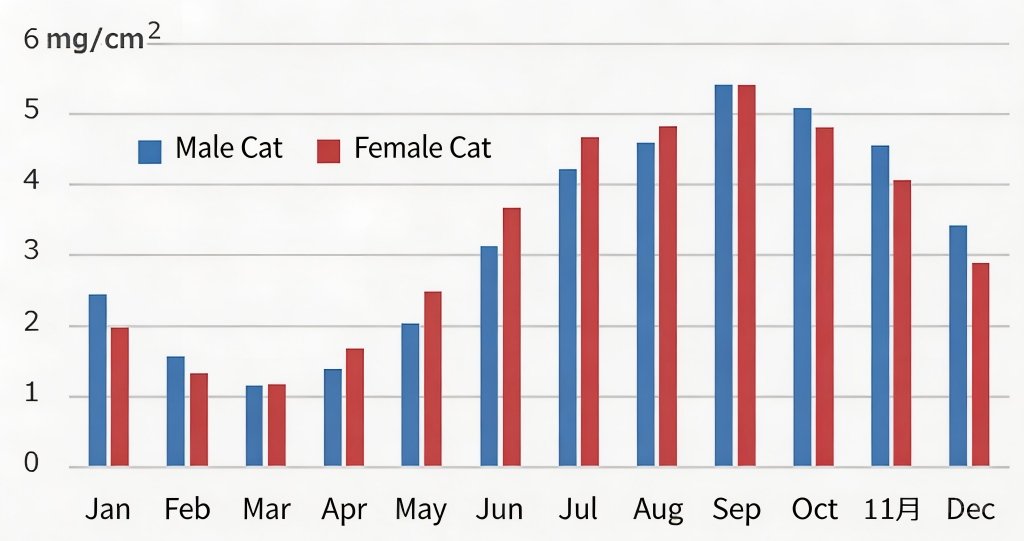
Seasonal Fur Changes
From winter to early spring, fur growth slows down to prevent new hairs from pushing out old hairs too quickly. This helps cats maintain thick insulation to survive cold weather.
From late spring to summer, fur growth speeds up. This helps cats shed excess fur so their bodies do not overheat in hot weather.
How Many Hairs Does a Cat Have?
Scientists do not know the exact number of hairs on every cat, but estimates exist. Carnivorous mammals typically have about 11,000 hairs per square centimeter of skin.
For example, a 4kg cat has about 0.25 square meters of body surface area, which equals about 2,500 square centimeters.
If we multiply:
2,500 × 11,000 = about 27.5 million hairs
That is about 300 times more hair than a human head, since humans usually have about 100,000 scalp hairs.
A study on short-haired cats weighing about 3.8kg found that:
Hair weight per kilogram body weight = 19.9g
Hair weight per square centimeter = 23.7mg
Based on this data, a 4kg cat may have about 80g of fur.
Fur Raising Mechanism
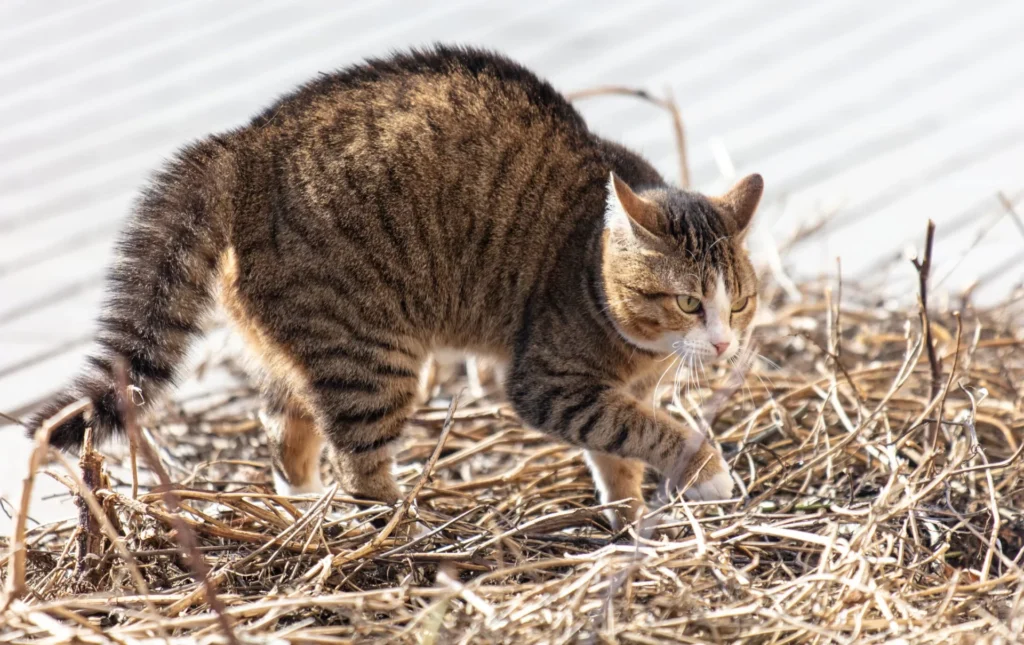
Cats raise their fur when they feel cold, scared, or aggressive. This is called piloerection.
Tiny muscles called arrector pili muscles contract and make the fur stand upright. This serves two purposes:
When cold → traps air for insulation
When threatened → makes the cat look larger
Four Main Types of Cat Fur
Long Hair Cats
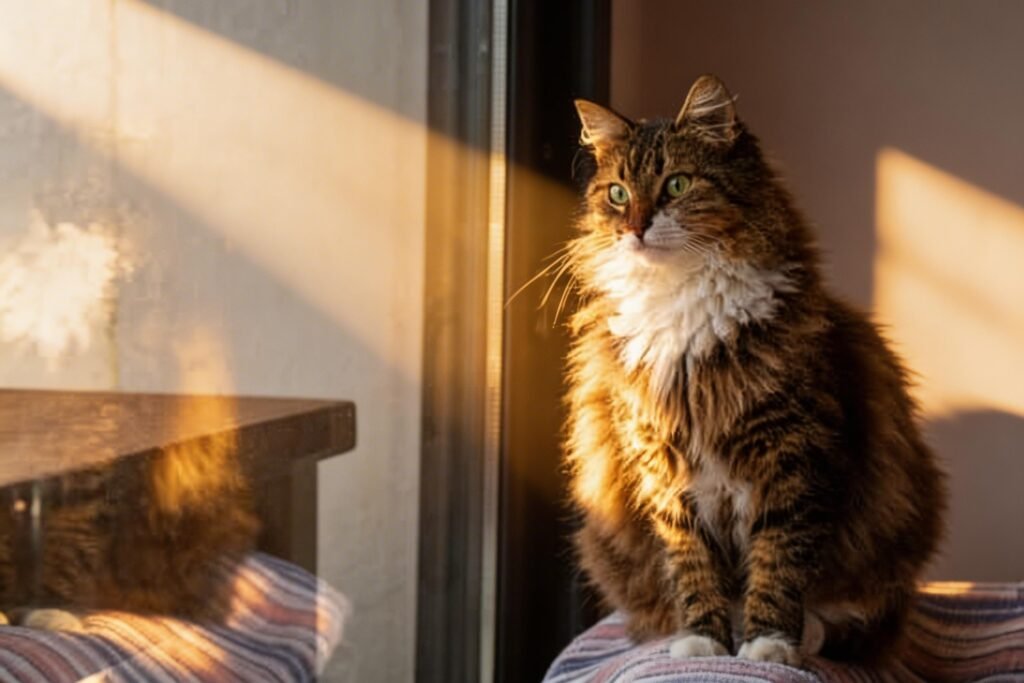
Long-haired cats have fur that can grow 5 to 12 centimeters long. Long hair is associated with the FGF5 gene, which controls hair growth cycles by regulating the transition from growth phase to shedding phase.
Long-haired cats are better suited for cold climates but require more grooming to prevent hairballs and matting.
*choosing a cat breed based on grooming requirements and lifestyle
Short Hair Cats
Short hair is the most common fur type. Fur usually stays under about 4 centimeters. Short hair is easier to maintain and less likely to tangle.
Curly Hair Cats
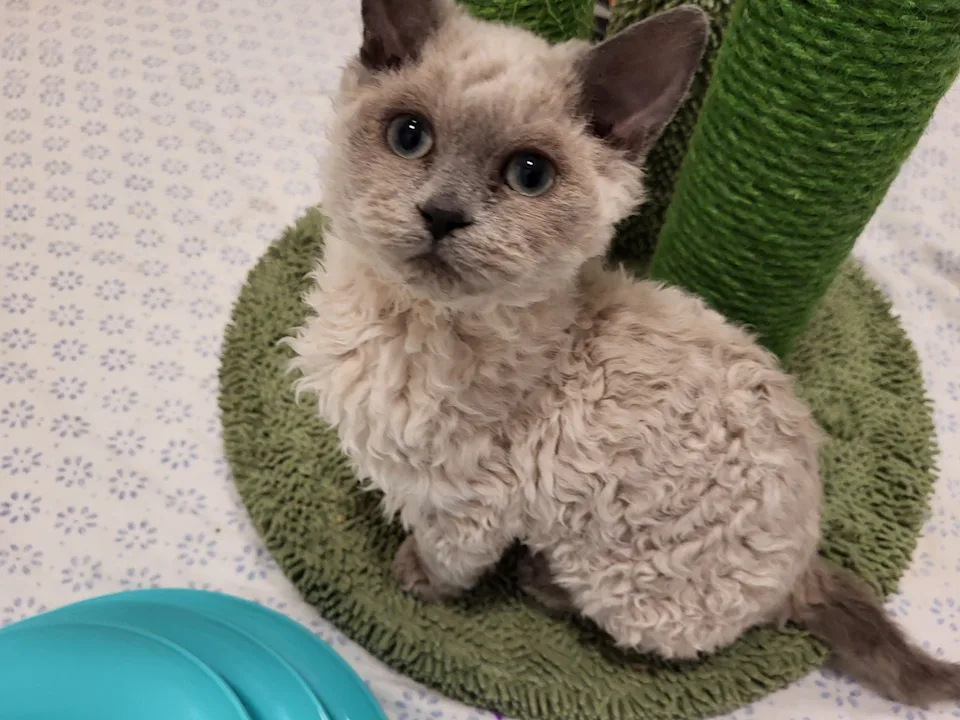
Curly-haired cats are rare. Examples include the Cornish Rex. Their fur can range from loose waves to tight curls. Over-brushing can damage this delicate fur.
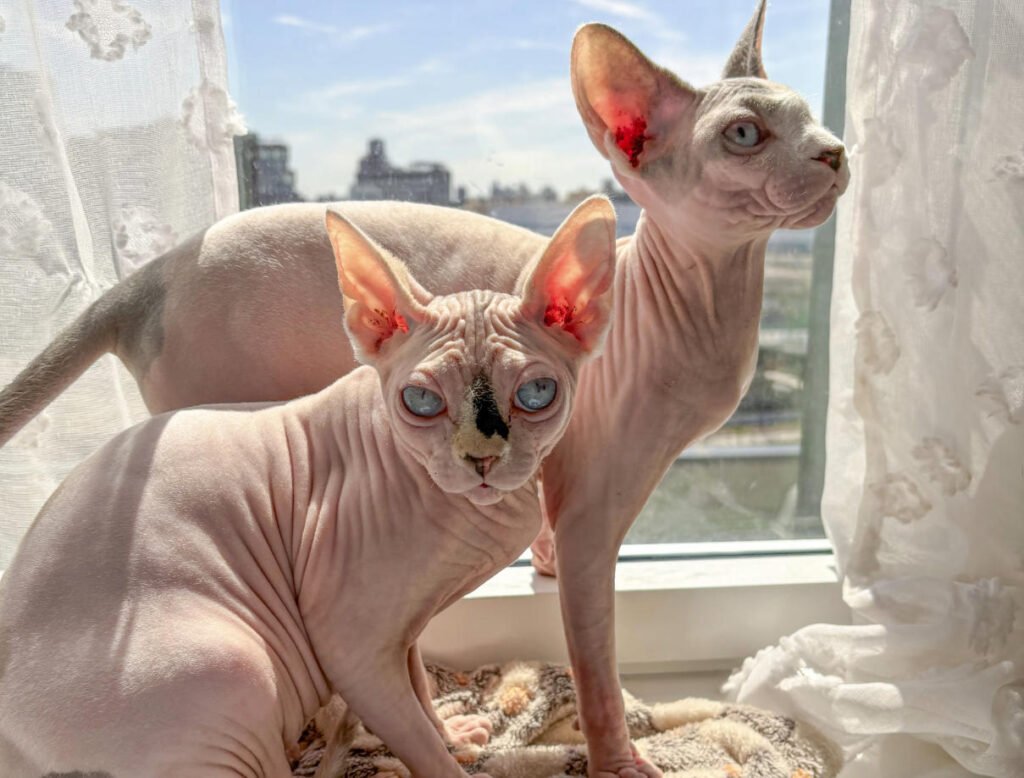
Hairless Cats
Hairless cats such as the Sphynx are caused by mutations in the KRT71 gene, which affects keratin protein production.
Hairless cats are not completely hairless. Their fur is extremely short and fragile, so it often breaks or falls out quickly. Their skin often feels like touching a peach.
The Devon Rex also has KRT71 mutations but with different mutation types, which is why it shows curly fur instead of complete hair loss.
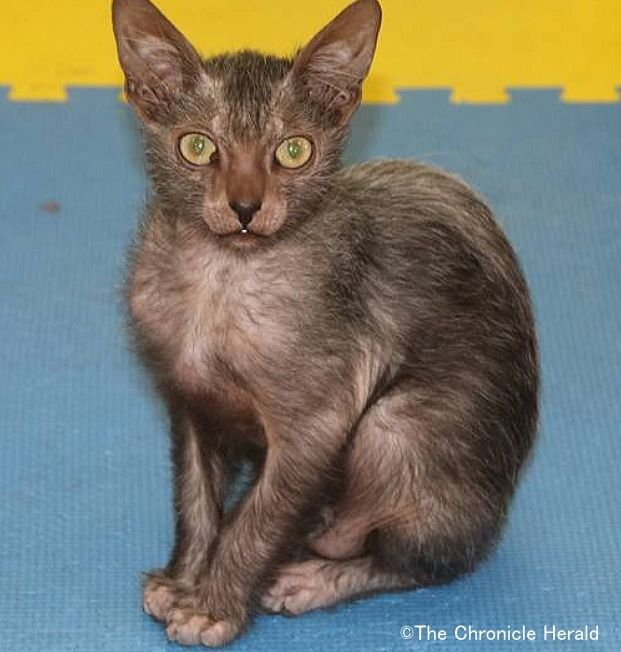
Lykoi Cats (Wolf Cats)
Lykoi cats are sometimes called wolf cats because of their patchy fur appearance. They are not a separate fur type but instead have genetic mutations that cause uneven fur growth.
DNA studies show they are genetically related to Persian cats and wild Scottish cats, but the exact mutation location is still unknown. The trait follows autosomal recessive inheritance, meaning both parents must pass down the mutation for the trait to appear.
Cat Coat Colors and Patterns
Cat coat patterns depend on multiple genes and pigment biology.
Solid Colors
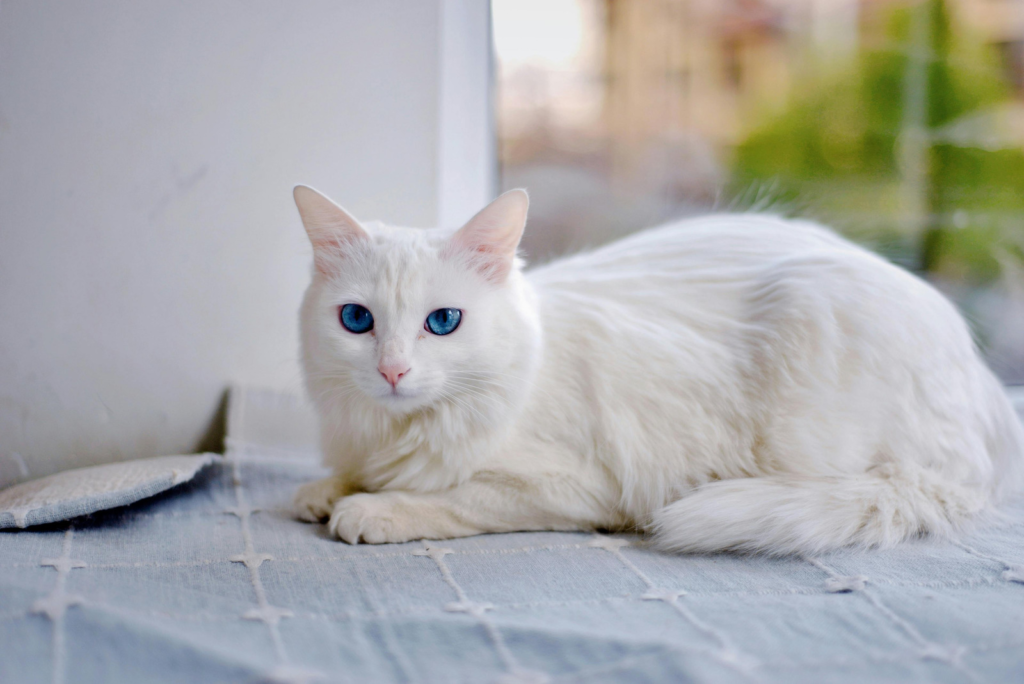
White fur is controlled by the W gene, which suppresses pigment production. White cats with blue eyes may have higher risk of hearing problems because of genetic linkage.
Black, blue, and caramel colors are related to eumelanin pigment genes and dilution genes.
Red Cats
Red fur is controlled by the O gene, which is located on the X chromosome. Male cats can only carry one O gene, while female cats can carry two.
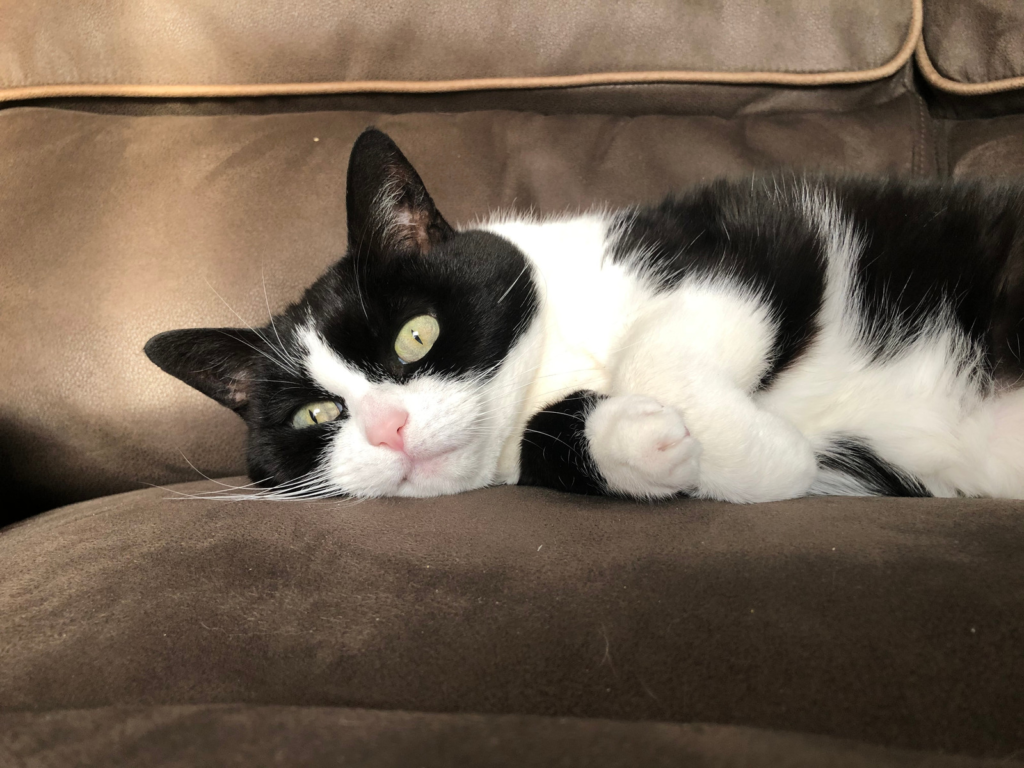
Bicolor Cats
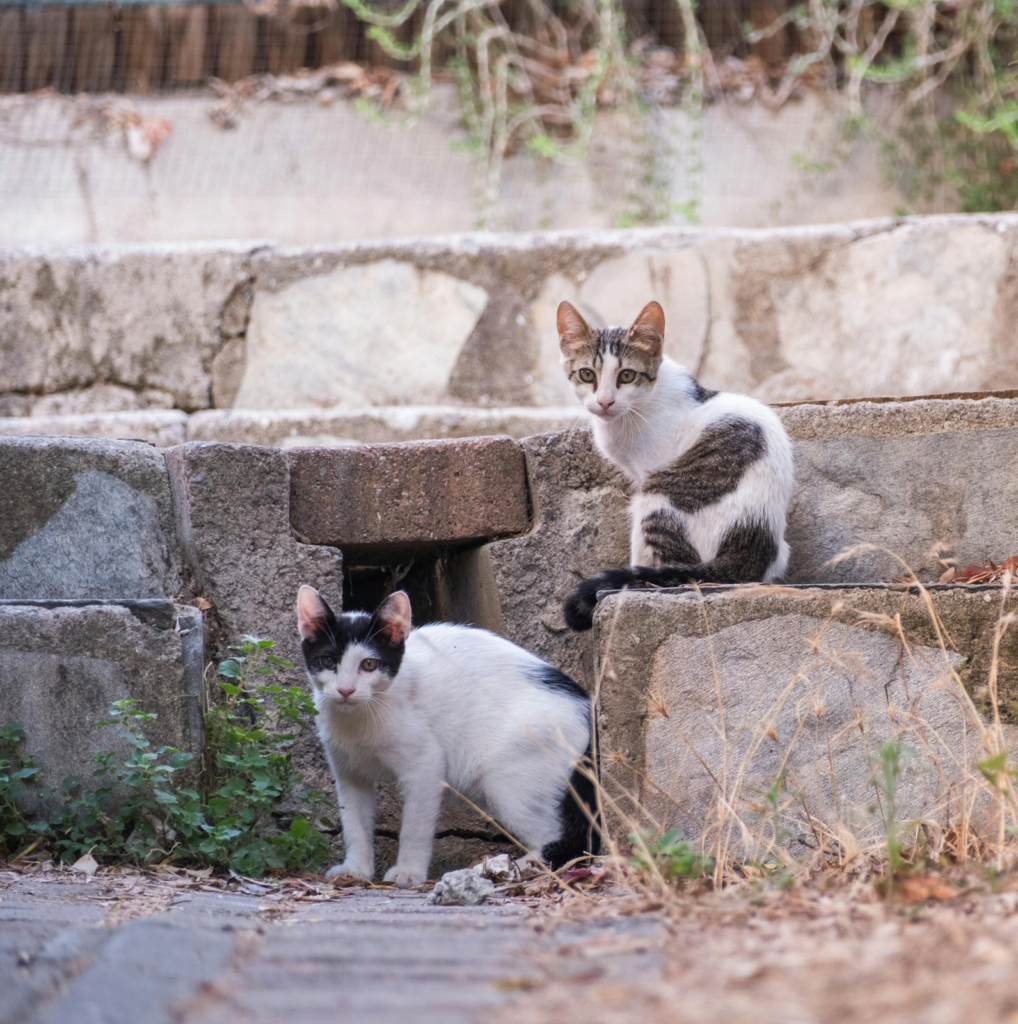
Bicolor cats have white fur combined with another color. Tuxedo cats are a common example.
Tortoiseshell Cats
Tortoiseshell cats show irregular red and dark color patches.
This happens when O and o genes combine (Oo). Because these genes are X-linked, most tortoiseshell cats are female.

Tabby Cats
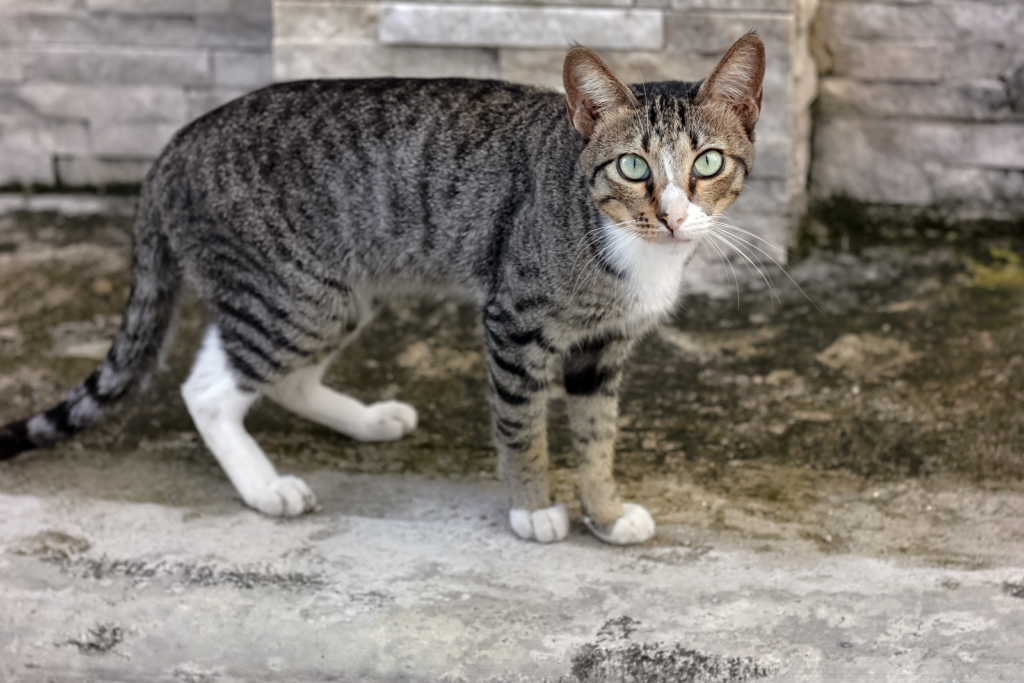
Tabby patterns are stripes or spots on a lighter background. These patterns are believed to help camouflage cats in natural environments.
Color Point Cats
Color point cats have darker color on ears, face, paws, and tail. This happens because pigment enzymes are sensitive to temperature.
Cats living in colder climates usually show stronger color contrast.