
Getting a cat is an exciting decision. Whether you live alone or with family, having a feline companion can bring warmth and joy to your home. But before you bring one home, you need to ask an important question:
Should you buy a cat, or should you adopt one?
There are many ways to welcome a cat into your life — through animal shelters, rescues, breeders, pet stores, or even from a friend. Each option has its pros and cons, and the right choice depends on your values, lifestyle, and budget.
1. Things to Consider Before Getting a Cat
No matter where you plan to get your cat, it’s important to think about a few key points.
Cost and Ongoing Expenses
The cost of owning a cat doesn’t stop after you get it. You’ll need to budget for food, litter, toys, grooming tools, scratching posts, and regular vet visits.
Even if you adopt a cat for free, caring for it properly still requires ongoing financial commitment.
Health
A healthy cat is a happy cat. Avoid kittens that look sickly, have parasites, or show signs of infection. It’s also good to learn about common hereditary conditions, especially if you plan to buy a purebred cat.
Temperament and Socialization
Cats develop their personality early. Choose a cat that seems friendly and not overly aggressive toward people. Kittens raised in calm, positive environments tend to grow into well-adjusted adult cats.
Breed
Do you want a specific breed, like a Ragdoll or British Shorthair, or are you open to mixed breeds? Purebred cats often have predictable traits but can also come with genetic health risks.
*How to visually identify a cat’s sex before bringing them home.
Social Responsibility
Your choice affects more than just you and the cat. Adopting from a shelter helps reduce the number of homeless cats euthanized each year, while buying from unethical sources may unintentionally support irresponsible breeding.
2. Adopting from an Animal Shelter or Rescue
Adopting is one of the most compassionate ways to get a cat. Animal shelters, humane societies, and rescue groups work hard to find new homes for abandoned or stray cats.
Cost
Most shelters charge little to no adoption fees, though they may ask for a small donation to cover vaccinations or spaying/neutering. Even with these fees, adoption is still far more affordable than buying.
Health
Shelter cats are usually checked by veterinarians, vaccinated, and treated for parasites before adoption. Still, because some come from unknown backgrounds, it’s wise to take your new cat for a full health check soon after bringing it home.
Personality and Adjustment
Some shelter cats may be shy or cautious at first, especially if they’ve had difficult pasts. With patience and love, most cats learn to trust and bond with their new families.
Breed Variety
Shelters mostly have mixed-breed cats, but you can sometimes find purebreds too. If you’re open-minded, you’ll likely find a wonderful companion that fits perfectly with your lifestyle.
3. Taking in a Stray Cat
Many kindhearted people decide to care for a stray cat they find outdoors. This can be rewarding, but it requires extra responsibility.
Cost
The cat itself may be “free,” but it will need vaccinations, parasite treatment, and a vet visit. You should also prepare basic supplies before bringing it home.
Health
Outdoor cats are more likely to carry fleas, worms, or diseases such as FIV or FeLV. Have your vet test and treat the cat before introducing it to any other pets.
Behavior
Stray cats may take time to adjust to living indoors. Be patient and give them a quiet space to settle in. With care and consistency, even a shy stray can become a loving pet.
4. Buying from a Pet Store
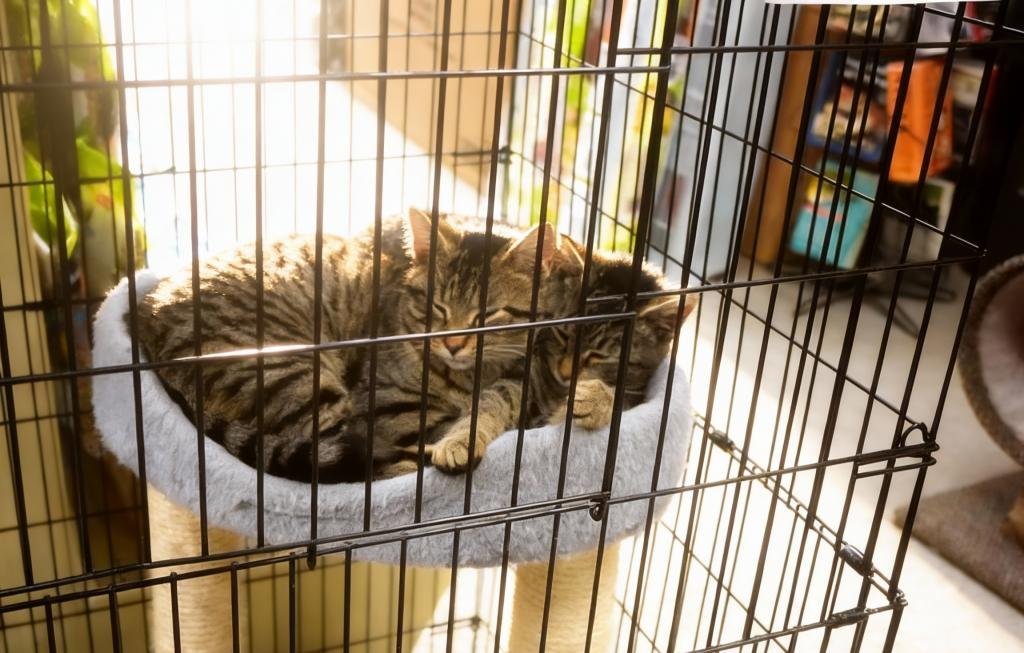
Some people prefer to buy cats directly from pet stores, especially when they want a specific breed.
Cost
Prices vary greatly. Mixed breeds may cost around $100–$300, while purebred kittens can cost $1,000 or more.
Health
Reputable stores usually get kittens from licensed breeders and keep them in clean environments. However, poor breeding or overcrowded conditions can still cause health or behavioral issues. Always research the store’s reputation.
Socialization
Kittens raised in store cages may not get enough human interaction. Ideally, kittens should stay with their mother until at least 12–14 weeks old to develop proper social skills.
Breed
Pet stores mainly sell purebred cats. Be sure to check the authenticity of pedigree certificates from recognized organizations such as CFA or TICA.
5. Buying from a Breeder
If you have your heart set on a specific breed, a responsible breeder is your best choice.
Cost
Breeder cats can be expensive, especially if they come from award-winning bloodlines. However, prices often include vaccinations, microchipping, and pedigree documentation.
Health
A good breeder tests for genetic diseases and raises kittens in a clean, stimulating environment. Be cautious of breeders who won’t let you visit or seem focused only on profit.
Behavior
Kittens raised by ethical breeders are usually well-socialized and used to human contact. Ask when the kitten will be ready to go home — responsible breeders won’t separate kittens too early.
Buying Conditions
Many breeders require buyers to agree to conditions such as keeping the cat indoors or spaying/neutering. These rules help ensure responsible ownership and prevent unethical breeding.
6. Adopting from a Friend or Family Member
Sometimes, a friend’s cat has kittens, and they’re looking for good homes. This can be a great way to get a cat you already know something about.
Cost
Usually free, though it’s polite to contribute a little toward vaccinations or supplies.
Health and Background
You can easily check the kitten’s environment and health, and ask about its parents’ medical history. This transparency makes it a safer option than buying from an unknown source.
Temperament
Kittens raised in homes are often used to people and noises, making them easier to adapt to new environments.
7. Buying Cats Online
Buying pets online is becoming more common, but it carries risks.
Cost
Online cats might seem cheaper, but beware of scams or unethical breeders. Always verify the seller’s credentials and never pay before seeing the cat in person or through a live video call.
Health and Safety
Shipping long distances can stress or harm young kittens. Try to choose a breeder or rescue within driving distance if possible.
Final Thoughts
Whether you choose to adopt or buy, what matters most is providing a safe, loving home for your cat.
Adoption helps save lives and gives a second chance to animals in need, while buying from ethical breeders ensures you get a healthy, well-bred kitten.
No matter where your cat comes from, remember — you’re not just bringing home a pet; you’re welcoming a new family member.
Give them your time, care, and love, and they’ll reward you with years of companionship.