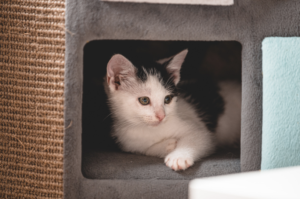

Creating a cat-friendly room is more than just adding a few toys or a scratching post. It’s about designing a space where your cat feels secure, curious, and truly at home. Whether you live in a small apartment or a spacious house, a well-thought-out environment can make a world of difference to your cat’s health and happiness. From room size and lighting to furniture choices and safety precautions, this guide will walk you through every detail to help you build a cozy, safe, and stimulating environment for your feline companion.
Step 1: Choose the Right Room Size

Cats may be small, but they see the world vertically. They love climbing, jumping, and observing everything from above. While a single cat can live comfortably in a space of around 4 to 6 square meters (about 40 to 65 square feet), a larger room — around 12 square meters (130 square feet) or more — provides more room for play and exploration. If you have multiple cats, make sure each has its own resting area and escape space to prevent stress or territorial disputes. Adding shelves and tall furniture can also help create vertical layers, allowing your cat to move freely and claim different perches without crowding the floor.
*managing space in multi-cat households
Step 2: Pick the Best Flooring
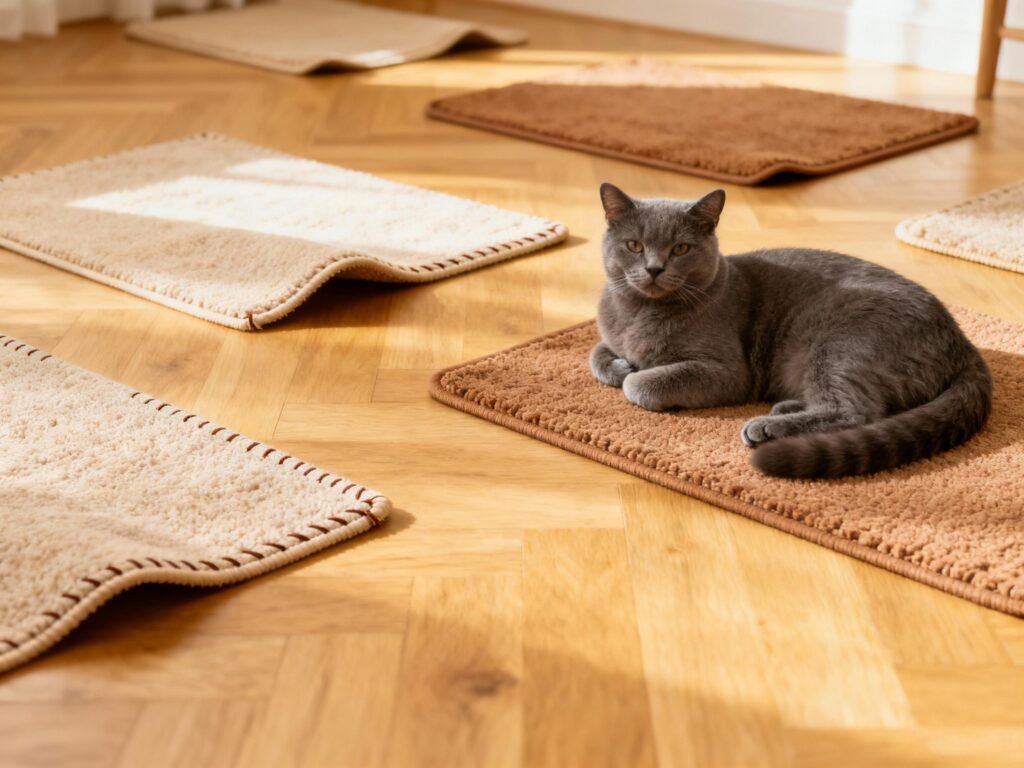
The type of flooring you choose affects your cat’s comfort, safety, and cleanliness. Short-pile carpet is soft and quiet, making it ideal for active cats that enjoy running and playing. Hardwood or tile floors are easier to clean and perfect for messy eaters or cats that occasionally have accidents. However, try to avoid long shag carpets that trap fur and can catch claws, or slippery polished floors that may cause your cat to lose balance. A combination of wooden flooring and small washable rugs often works best, offering both comfort and practicality.
Step 3: Create Comfortable Lighting
Cats are naturally drawn to light, especially soft sunlight streaming through windows. If possible, let natural light be the main source in your cat’s room. It helps regulate their biological clock and supports their overall well-being. When using artificial lighting, choose warm, flicker-free LEDs that are easy on feline eyes. Avoid harsh spotlights or dangling light fixtures that cats might try to swat. A small night light can also be useful if your cat tends to wander or play after dark, giving them gentle illumination without disrupting sleep.
Step 4: Keep the Temperature Just Right
Cats are sensitive to temperature changes. In warm months, keep the room comfortably cool — around 27–28°C (80–82°F) — with proper ventilation. During colder seasons, maintain a cozy temperature of about 25–26°C (77–79°F), and make sure your cat’s bed is placed away from drafts or direct air conditioning. Heated pads can be helpful for elderly cats, but always supervise their use to avoid overheating or burns. A few soft blankets or an elevated bed can make a big difference in keeping your cat comfortable year-round.
Step 5: Cat-Proof the Space
Curiosity is part of every cat’s personality, and that’s exactly why cat-proofing your home is so important. A truly cat-friendly space isn’t just cozy — it’s also safe. Start by sealing all unused electrical outlets with covers, and use cable protectors to prevent chewing accidents. Cats love to nibble and tug on dangling wires, so keep cords neatly tucked away or taped down where they can’t play with them.
Make sure all cleaning products, medications, and small household items are stored securely in cabinets. Even a single dropped grape, onion, or piece of chocolate can be toxic to cats. Trash bins should have tight-fitting lids so your curious friend can’t dig through them.
Walls and furniture also deserve attention. If your cat scratches wallpaper or the sides of your couch, consider using protective sheets or furniture covers when you’re not home. You can also place scratching posts nearby to redirect that behavior.
When it comes to windows and balconies, sturdy mesh screens are a must. Cats love climbing and watching the world outside, but one slip can be dangerous. Roller blinds are a safer choice than hanging curtains, which cats may try to scale like a jungle gym.
Finally, think like a cat for a moment. Anything that dangles, glitters, rolls, or moves will attract attention. Look around the room from your cat’s eye level and remove things that could pose a risk — but leave enough safe items to explore. Cat-proofing isn’t about limiting fun; it’s about creating a space where your cat can safely satisfy their natural curiosity every day.
Step 6: Window Views and Perches
A good window view can keep your cat entertained for hours. Setting up a window perch or hammock gives your cat a perfect spot for bird-watching or simply soaking in the sunlight. Ensure the window is secure, and use a fine mesh screen if you like to keep it open. For cats that get anxious when seeing outdoor animals, you can block the lower portion of the window with a curtain or film to reduce stress. A simple window perch can transform a dull space into your cat’s favorite lookout point.
Step 7: Add High Spaces and Cat Trees
Cats feel most confident when they can observe their surroundings from above. Installing cat trees, climbing shelves, or wall-mounted platforms lets them enjoy that sense of height safely indoors. Be sure to anchor tall structures securely so they won’t wobble or fall. If you rent your home, consider freestanding or tension-mounted cat trees that don’t require drilling. Vertical space is especially valuable in small homes — it gives your cat freedom and independence without taking up extra floor area.
Step 8: Cozy Hideouts and Quiet Corners
Every cat needs a retreat — a quiet, private space to relax when the world feels overwhelming. Covered beds, cardboard boxes, or a simple nook under furniture can make perfect hideouts. Shy or newly adopted cats especially benefit from having a safe spot where they can observe the world without being disturbed. If you live with multiple cats, try to provide at least one resting area per pet to avoid conflicts and give everyone a sense of security.
Step 9: Smart Shelving and Room Layout
Good layout design can help create a natural flow between your cat’s play, rest, and eating areas. Wall shelves can connect different sections of the room, turning it into an exciting playground while also separating high-energy zones from quiet resting spots. Be sure to stabilize tall furniture and secure anything your cat might try to climb. With thoughtful arrangement, even a small room can feel spacious and harmonious.
Step 10: Litter and Feeding Zones
Keep your cat’s essentials clean and conveniently placed. The general rule is one litter box per cat, plus one extra. Choose a quiet but accessible location — not too close to food or water bowls. Clean the litter box daily to prevent odor and keep your cat happy. Feed and water stations should be placed in calm corners, away from foot traffic, with separate dishes for food and fresh water. Stainless steel or ceramic bowls are hygienic and easy to wash.
Step 11: Scratching, Toys, and Playtime
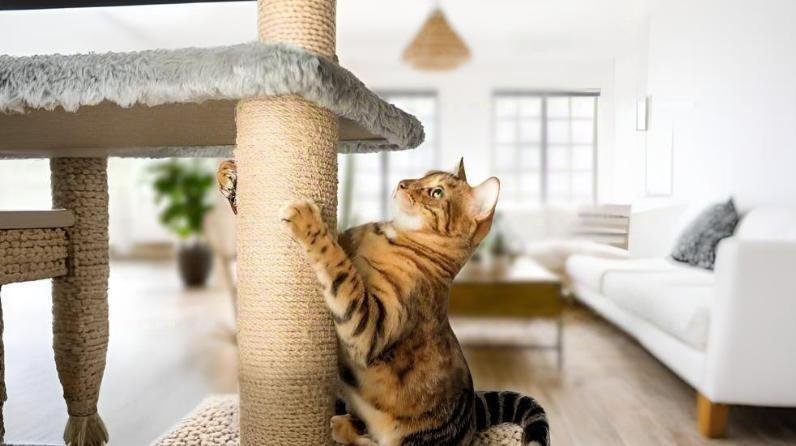
A cat-friendly room is not complete without opportunities for play and scratching. Offer a mix of vertical and horizontal scratching posts, and experiment with different textures like sisal, cardboard, or wood to find what your cat prefers. Interactive toys such as feather wands or puzzle feeders help burn energy and prevent boredom. Rotate toys every week or two to keep things fresh and exciting. Most importantly, spend quality time playing with your cat each day — even 10 minutes of interactive play strengthens your bond and supports their mental health.
Step 12: Check for Hidden Dangers
Cats are natural explorers who use their paws, noses, and even teeth to investigate the world around them — which means a safe home requires a bit of detective work. Take a slow walk around your home and look for small or dangerous items that a cat might bat, bite, or swallow.
Start by removing toxic plants such as lilies, poinsettias, aloe, or philodendrons. Even a few bites can cause vomiting, kidney failure, or worse. If you love indoor greenery, choose cat-safe options like cat grass, spider plants, or bamboo palms instead.
Be mindful of small, string-like objects such as rubber bands, sewing threads, ribbons, and hair ties. Cats often find these irresistibly fun to play with, but if swallowed, they can cause intestinal blockages that sometimes require surgery. The same goes for loose buttons, paper clips, and small toy parts — keep them safely stored in drawers or containers with lids.
Household cleaners, detergents, and chemicals can also pose serious risks. Always store them in locked cabinets or on high shelves, and switch to mild, pet-safe cleaning products whenever possible. Even common air fresheners and essential oils (like tea tree, eucalyptus, or citrus oils) can irritate a cat’s sensitive lungs.
Watch out for electrical cords and batteries as well. Kittens, in particular, may chew on cords out of boredom or curiosity, risking electric shock. Use plastic cable covers or anti-bite sprays to discourage the habit. Batteries, magnets, and coins should also be kept out of reach — if swallowed, they can cause dangerous chemical burns or internal damage.
You should also avoid leaving fabric items like socks, towels, or tissues where cats can reach them. Some cats love to chew or swallow soft materials, which can lead to intestinal obstruction. After meals, make sure fish bones, skewers, and chicken bones are properly disposed of; cats are attracted to leftover smells and may accidentally swallow sharp fragments.
Lastly, keep sewing needles, hooks, and pins stored securely. These tiny objects can cause serious injuries if stepped on, bitten, or swallowed. It’s best to store sewing kits, fishing gear, and similar items in closed boxes when not in use.
Creating a truly cat-safe home doesn’t mean hiding everything — it’s about removing dangers while leaving plenty of space for your cat’s natural curiosity. The fewer temptations you leave lying around, the safer (and happier) your cat will be.
Step 13: Keep It Clean and Fresh
A clean environment supports both your cat’s health and your peace of mind. Scoop litter daily, wash bedding weekly, and wipe surfaces with pet-safe cleaners. Regular ventilation or a small air purifier helps keep the air fresh. Avoid heavy fragrances — cats have sensitive noses and often dislike strong scents. A fresh-smelling, tidy space makes your home more pleasant for everyone.
Conclusion
Creating a cat-friendly room doesn’t have to be complicated or expensive. What matters most is thoughtfulness — understanding your cat’s natural instincts to climb, hide, scratch, and observe. When you design a space that respects those instincts, you build not just a room, but a home where your cat feels safe, confident, and loved. Take your time, observe how your cat interacts with its surroundings, and keep adjusting the space until it truly feels like theirs. The joy of watching your cat explore, nap, and play in their own special corner will make every effort worthwhile.